
More than 100 foreign vegetable oil labels are overshadowing domestic products in the market, defying prohibition — Ikoro
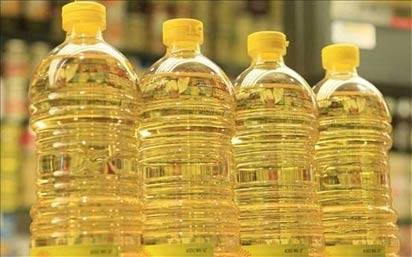
The Nigerian market remains inundated with over 100 foreign vegetable oil brands, despite the government's ban on their importation, according to Okey Ikoro, National Chairman of the Vegetable/Edible Oil Producers Association of Nigeria (VEOPAN).
nThis proliferation of imported oil poses a significant threat to investments and hinders backward integration in the sector, Ikoro warned during an interview on Arise News.
nIkoro revealed that his association recently intercepted three trailers smuggling vegetable oil into the country through the Badagry axis, highlighting the failure of regulatory agencies to enforce the ban.
nThe Nigeria Customs Service, National Agency for Food and Drug Administration and Control (NAFDAC), and the Standards Organisation of Nigeria (SON) have been accused by Ikoro of failing to enforce the prohibition on vegetable oil imports.
nIkoro noted that the 2023 fiscal policy had initially protected the industry, prompting companies like Okomu, Presco, and PZ Wilmar to invest in backward integration, but the subsequent lack of enforcement has undermined these efforts.
nThe collapse of implementation, particularly in the prohibition of imported items, has led to a surge in smuggled vegetable oil, with over 100 foreign brands now available in the local market, often with questionable labels and packaging.
nNAFDAC's inaction has been singled out by Ikoro, who pointed out that the agency is responsible for ensuring the quality and safety of food products, including vegetable oil, but appears to be neglecting its duties.
nThe imported oil, often packaged in yellow jerry cans with dubious labels, is not subject to the same regulatory scrutiny as locally produced oil, which is regularly tested and certified by NAFDAC.
nIkoro expressed concern about the quality and safety of these imported products, highlighting the risks associated with consuming unregulated and potentially hazardous food items.
nThe lack of enforcement has resulted in significant losses for companies that invested in backward integration, as the influx of cheap, imported oil has disrupted the market and made it difficult for local producers to compete.
nIkoro emphasized that oil palm cultivation is a long-term investment, requiring a minimum of five years to generate returns, and the current situation has set back the progress made by local companies.
Related Stories
 General News
CELEBRATING TWO YEARS OF TRANSFORMATIONAL LEADERSHIP IN THE PRESIDENTIAL AMNESTY PROGRAMME
Tomorrow, 14TH March 2026, as we look forward to the second anniversary, we reflect on the remarkable two years since the Administrator of the Preside
 General News
PRESIDENTIAL AMNESTY PROGRAMME PHASE 3: DISREGARD PURPORTED STATEMENT ON DELAYED ITA PAYMENTS — OFFICE OF NATIONAL CHAIRMAN
The Office of the National Chairman of the Presidential Amnesty Programme Phase 3, General Elaye ThankGod Dollar Slaboh, has called on beneficiaries a
 General News
RE: CLARIFICATION ON MY PERSONAL RELATIONSHIPS
PUBLIC NOTICErnrnRE: CLARIFICATION ON MY PERSONAL RELATIONSHIPSrnrnIt has become necessary to make this public clarification following the increasing