
Middle East unrest: Tinubu's crude-for-cash initiative ensures stable oil supply, says spokesperson
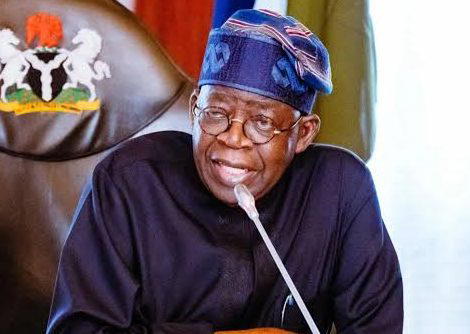
President Bola Tinubu's naira-for-crude policy has been credited with ensuring Nigeria's energy security, particularly in the face of the ongoing Middle-East crisis, according to a presidential aide.
nMr Temitope Ajayi, Senior Special Assistant on Media and Publicity to the President, made this assertion in an article titled “Middle-East Crisis: How Tinubu’s Policy of Naira-for-Crude Guarantees Supply Security in Nigeria”, which was released on Wednesday in Abuja.
nThe policy's strategic impact has been significant since its introduction, with the president demonstrating foresight in July 2024 by approving the use of the naira as payment for crude oil supplied by NNPC Limited to local refiners.
nAs a result, Nigeria has recorded a strategic breakthrough despite global economic turmoil triggered by the Middle-East conflict, with the initiative's launch on Oct. 1, 2024, marking a turning point in the country's energy security.
nA technical committee overseeing the policy, which includes the Minister of Finance, Wale Edun, and the Executive Chairman of the Nigerian Revenue Service (NRS), Zacch Adedeji, has developed a robust framework to sustain supply security, stabilise the economy, and safeguard Nigeria's energy future.
nThe ongoing conflict involving the United States, Israel, and Iran has entered its sixth week, triggering widespread global economic disruptions, with Iran's closure of the Strait of Hormuz disrupting over 20 per cent of global oil and gas flows.
nThis disruption has sent shockwaves through global energy markets, leading to rising prices of petroleum products across continents, according to Ajayi, who noted that the global energy landscape has been significantly impacted.
nCountries across Europe, Asia, Africa, and the U.S. are experiencing severe energy shortages, rising fuel costs, and mounting economic pressure, prompting emergency measures such as reduced workdays, remote working, early school closures, and restrictions on fuel consumption.
nDespite the rising global prices, Nigeria has avoided domestic fuel scarcity due to increased local refining capacity, with the Dangote Refinery playing a critical role in shielding Nigeria from the worst effects of the global supply crisis.
nThe refinery has met Nigeria's refined product needs, ensuring availability without queues, even as other countries grapple with shortages, and has prioritised domestic supply despite more lucrative export opportunities in the international market.
nAlthough global crude prices have increased, the refinery has taken steps to cushion the impact on Nigerians, such as reducing petrol prices by N75 per litre, reflecting the benefits of local refining.
nThe refinery has continued to operate despite paying higher premiums for crude oil, underscoring its commitment to national energy security, and has eliminated persistent fuel queues and reduced demurrage costs previously incurred by maintaining offshore fuel reserves.
nNigeria has also emerged as a key supplier of refined petroleum products to other African countries amid the global supply crunch, with the refinery exporting nearly 500,000 tonnes of refined products across Africa in March alone, generating export earnings.
nThe development underscores the importance of local production, industrialisation, and energy self-sufficiency for long-term economic stability, according to Ajayi, who described the Dangote Refinery as a cornerstone of Nigeria's energy sovereignty and a catalyst for sustainable growth.
nLocal refining not only preserves foreign exchange and creates jobs but also insulates the economy from global volatility and geopolitical risks, highlighting the significance of President Tinubu's naira-for-crude policy in achieving energy security and economic stability.
Related Stories
 General News
CELEBRATING TWO YEARS OF TRANSFORMATIONAL LEADERSHIP IN THE PRESIDENTIAL AMNESTY PROGRAMME
Tomorrow, 14TH March 2026, as we look forward to the second anniversary, we reflect on the remarkable two years since the Administrator of the Preside
 General News
PRESIDENTIAL AMNESTY PROGRAMME PHASE 3: DISREGARD PURPORTED STATEMENT ON DELAYED ITA PAYMENTS — OFFICE OF NATIONAL CHAIRMAN
The Office of the National Chairman of the Presidential Amnesty Programme Phase 3, General Elaye ThankGod Dollar Slaboh, has called on beneficiaries a
 General News
RE: CLARIFICATION ON MY PERSONAL RELATIONSHIPS
PUBLIC NOTICErnrnRE: CLARIFICATION ON MY PERSONAL RELATIONSHIPSrnrnIt has become necessary to make this public clarification following the increasing