
Middle East tensions escalate: Trump pledges to cut off Hormuz Strait following collapsed diplomatic negotiations
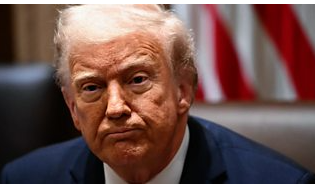
US President Donald Trump stated that the US Navy would immediately begin blockading the Strait of Hormuz and intercept every vessel in international waters that had paid toll to Iran, following the failed peace talks between the US and Iran.
nTrump reiterated his threat to destroy Iran's power plants and other civilian energy infrastructure, saying "I could take out Iran in one day" and that he could target their entire energy infrastructure, including electric generating plants.
nThe failed negotiations were largely due to Iran's refusal to abandon its uranium enrichment program, which has been a central issue in Western relations with Iran for over two decades, with the US and its allies accusing Iran of developing atomic weapons.
nIran has consistently maintained that its nuclear program is for civilian purposes only, and the issue has been a key point of contention in the Middle East war, which started on February 28, with Iran using the blockage of the Strait of Hormuz as a bargaining chip.
nSince the outbreak of the war, Iran has demanded the establishment of a new regime in the oil channel and the tolling of ships transiting the strait, a demand that the United States has rejected, with the US instead calling for the strait to be open to all vessels.
nUS Vice-President JD Vance, who led the US delegation, blamed the failure of the negotiations on Iran's refusal to abandon its nuclear weapons program, citing the need for an "affirmative commitment" from Iran that it would not seek a nuclear weapon.
nVance stated that the core goal of the US President is to prevent Iran from obtaining a nuclear weapon, and that the US had been clear about its red lines during the negotiations, which included Iran's nuclear program.
nIran's foreign ministry downplayed the apparent breakdown in talks, with spokesperson Esmaeil Baghaei saying that no one had expected an agreement to be reached in a single session, and that Tehran was "confident that contacts between us and Pakistan, as well as our other friends in the region, will continue".
nIran's Parliamentary Speaker, Mohammad Bagher Ghalibaf, disagreed with Vance, saying that the US delegation had failed to gain the trust of the Iranian delegation, and that Iran had no trust in the US after the experiences of the two previous wars.
nGhalibaf, who led the Iranian delegation, said that his country's delegation had negotiated in good faith and raised "forward-looking initiatives", and that it was now up to the US to decide whether it could earn Iran's trust.
nFormer Iranian foreign minister Javad Zarif said that the Pakistan talks failed because Iran was not going to accept terms dictated to it by the US, and that the US must learn that it cannot dictate terms to Iran, citing the need for mutual understanding and respect.
Related Stories
 General News
CELEBRATING TWO YEARS OF TRANSFORMATIONAL LEADERSHIP IN THE PRESIDENTIAL AMNESTY PROGRAMME
Tomorrow, 14TH March 2026, as we look forward to the second anniversary, we reflect on the remarkable two years since the Administrator of the Preside
 General News
PRESIDENTIAL AMNESTY PROGRAMME PHASE 3: DISREGARD PURPORTED STATEMENT ON DELAYED ITA PAYMENTS — OFFICE OF NATIONAL CHAIRMAN
The Office of the National Chairman of the Presidential Amnesty Programme Phase 3, General Elaye ThankGod Dollar Slaboh, has called on beneficiaries a
 General News
RE: CLARIFICATION ON MY PERSONAL RELATIONSHIPS
PUBLIC NOTICErnrnRE: CLARIFICATION ON MY PERSONAL RELATIONSHIPSrnrnIt has become necessary to make this public clarification following the increasing