
Middle East conflict: Crisis worsens as fuel prices soar to N1,300 per litre
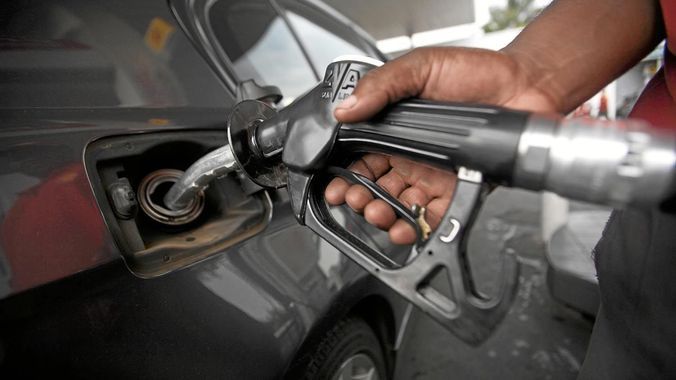
Nigerians are facing increased hardship as oil marketers have raised the price of Premium Motor Spirit, also known as petrol, to N1,300 per litre from N1,050 per litre, representing a 24 per cent increase.
nThis surge is attributed to the consistent rise in crude oil prices to $110 per barrel in the international market, amid the ongoing Middle East crisis.
nThe pump price of Automotive Gas Oil, also known as diesel, has also increased to N1,380 per litre from N1,100 per litre at MRS outlets, while NNPC Limited outlets are selling it at N1,680 per litre in Lagos and environs.
nIn Ibadan and neighbouring communities in Oyo State, the price of petrol has risen sharply to between N1,200 and N1,300 per litre, up from the previous range of N1,020 to N1,080 per litre.
nA member of the Independent Petroleum Marketers Association of Nigeria attributed the increase to the rising landing cost of the product, with the cost of lifting fuel from the Lagos depot climbing to N1,175 per litre.
nThe pump price varies depending on the destination, with prices in Ibadan ranging from N1,200 to N1,300 per litre, while other areas like Ogbomoso and Oke-Ogun may have different prices.
nIn Abuja, petrol prices have risen dramatically at retail outlets from N880 per litre seven days ago to over N1,300, following Dangote Petroleum Refinery's decision to increase the gantry price of petrol and diesel to N1,175 per litre and N1,620 per litre, respectively.
nThis increase is due to the prolonged instability in the global oil markets, resulting in the price of crude oil rising to $110 per litre from $102 per litre, according to a notice to oil marketers from the refinery.
nThe new price has led to increases in transportation costs, with fares rising by over 100 per cent on some routes, and transporters are now charging higher fares due to the increased fuel costs.
nChecks on some bus-stops in Area 8, Garki, and Central Area showed that fares on routes that previously cost about N800 have risen to N1,500, while the fare from Area 8 to Nyanya has doubled to N1,000.
nAn energy expert stated that the increase in price was not unexpected due to the almost daily rise in the price of crude oil in the international market, which has a significant impact on product prices.
nAccording to the expert, the margins for refineries are very small, and any small increment in crude price has a major effect on product price, making it essential for Nigeria to subsidise crude for Dangote or sell it at the international price.
nPartner at Kreston Pedabo, Mr Olufemi Idowu, said the refinery capacity is 650,000 barrels per day, but it receives less than half of that from the government's local oil companies, forcing the refinery to source the remaining seven cargoes from elsewhere.
nIdowu noted that the rise in oil prices should ordinarily boost the economy, but citizens are likely to not feel the benefit due to the reliance on imported refined products, which burdens households and businesses with increasing fuel costs.
nThe Public Relations Officer for Independent Marketers Association of Nigeria, Mr Chinedu Ukadike, confirmed the recent price increase of N1,175 per litre from Dangote refinery, adding that the refinery is currently not selling to marketers, who are buying from a tank farm owner, Pinnacle Oil and Gas, at the rate of N1,200.
nUkadike stated that the price at the pump is determined by logistics, transportation, and mark-up, with the price varying depending on the location, from N1,250 to N1,300 per litre in Lagos, and potentially higher outside Lagos.
nPetroleum Products Retail Outlets Owners Association of Nigeria said petrol price in Nigeria might rise to as high as N2,000 per litre if the Middle East war persists, with diesel price potentially rising to N3,000 per litre.
nBilly Gillis-Harry, National President of PETROAN, called on the Group Chief Executive Officer of NNPC Limited to facilitate the immediate commencement of production at Nigeria's local refineries to reduce exposure to international market volatility.
nProfessor Wumi Iledare said the impact on Nigeria could have been more severe without the Dangote refinery, which is absorbing some of the shocks by processing domestic crude and reducing logistics costs.
nIledare noted that the refinery's supply smoothing and freight elimination are potentially dampening about 20 per cent of the price shock, cushioning some of the pressure on Nigerians.
nExecutive Director of the Centre for Promotion of Private Enterprises, Dr Muda Yusuf, called for more favourable policies to encourage indigenous refiners to stabilise prices amid the crisis rocking the Middle East.
nYusuf emphasized the need for policy priorities to sustain refining investments, including reliable crude supply arrangements, strengthening petroleum distribution infrastructure, and introducing tariff protection.
nMatthew Anthony, Senior Market Analyst Africa, said major oil-producing nations like Nigeria may profit from the conflict if they can put a lid on inflation and use the windfall for critical budget needs.
nAnthony noted that the conflict has accelerated the flight to safety, with Asian shares plunging, European markets opening deep in the red, and US equity futures signaling a negative open.
nThe Managing Director of Dangote Petroleum Refinery, David Bird, reassured Nigerians that the refinery will continue to meet the country's fuel needs despite ongoing disruptions in the global oil and gas market.
nBird stated that the refinery remains committed to ensuring petrol availability across the country, even as geo-political tensions in the Middle-East drive sharp increases in crude oil prices, freight rates, and insurance costs.
nBird emphasized that Nigeria now enjoys a critical advantage: supply security made possible by domestic refining capacity, which will continue to receive Nigerian crude through the Federal Government and the Nigerian National Petroleum Company Limited.
Related Stories
 General News
CELEBRATING TWO YEARS OF TRANSFORMATIONAL LEADERSHIP IN THE PRESIDENTIAL AMNESTY PROGRAMME
Tomorrow, 14TH March 2026, as we look forward to the second anniversary, we reflect on the remarkable two years since the Administrator of the Preside
 General News
PRESIDENTIAL AMNESTY PROGRAMME PHASE 3: DISREGARD PURPORTED STATEMENT ON DELAYED ITA PAYMENTS — OFFICE OF NATIONAL CHAIRMAN
The Office of the National Chairman of the Presidential Amnesty Programme Phase 3, General Elaye ThankGod Dollar Slaboh, has called on beneficiaries a
 General News
RE: CLARIFICATION ON MY PERSONAL RELATIONSHIPS
PUBLIC NOTICErnrnRE: CLARIFICATION ON MY PERSONAL RELATIONSHIPSrnrnIt has become necessary to make this public clarification following the increasing