
Makers of fabrics and clothing push for increased safeguards to support domestic production
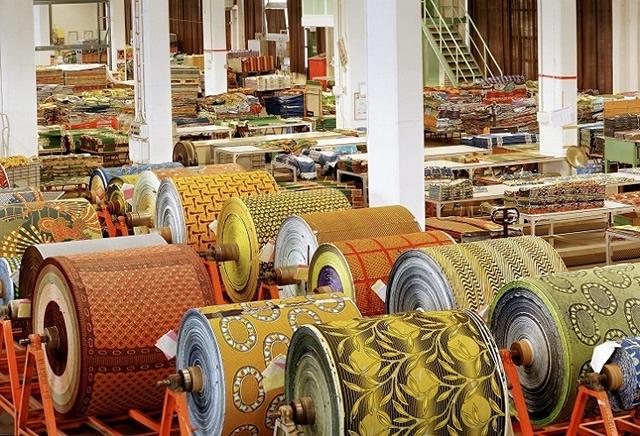
The Nigeria Textile Manufacturers Association (NTMA) is urging the government to implement more robust measures to safeguard the country's textile industry from the adverse effects of excessive imports, smuggling, and unfair competition from foreign entities.
nDr. Hamma Ali Kwajaffa, the Director-General of NTMA, emphasized the need for decisive trade policies during a programme on the Nigerian Television Authority (NTA), advocating for restrictions on textile imports rather than relying on minor tariff increases that offer limited protection to local manufacturers.
nHis stance is in line with recent Senate resolutions that called on the Federal Government to impose a total ban on textile imports, enforce local content requirements, and increase funding for the Bank of Industry (BoI) to support domestic production.
nKwajaffa expressed concern that the unchecked importation of foreign products, dumping, and widespread smuggling have severely impacted Nigeria's textile sector, resulting in the closure of numerous textile mills and significant job losses.
nThe NTMA supports comprehensive policy interventions aimed at reviving the industry and restoring its competitiveness, with a focus on stricter border controls and effective enforcement of trade regulations to curb the influx of cheap imported fabrics that undermine local producers.
nHowever, Kwajaffa noted that import restrictions alone would not be sufficient to revive the sector, citing several structural challenges that continue to hinder local manufacturers, including inadequate raw material supply, high production costs, poor infrastructure, and insecurity.
nThe collapse of local cotton production has left manufacturers struggling to source inputs, according to Kwajaffa, who emphasized the need for government incentives, improved agricultural extension services, and support for cotton farmers to rebuild the industry's value chain.
nKwajaffa also highlighted the difficulty that manufacturers face in accessing affordable locally produced polyester, as well as the burden of high energy costs despite Nigeria's status as a major crude oil producer.
nFurthermore, Kwajaffa noted that insecurity in farming communities has limited the ability of extension workers to support farmers, negatively affecting cotton yields and raw material availability for the textile industry.
Related Stories
 General News
CELEBRATING TWO YEARS OF TRANSFORMATIONAL LEADERSHIP IN THE PRESIDENTIAL AMNESTY PROGRAMME
Tomorrow, 14TH March 2026, as we look forward to the second anniversary, we reflect on the remarkable two years since the Administrator of the Preside
 General News
PRESIDENTIAL AMNESTY PROGRAMME PHASE 3: DISREGARD PURPORTED STATEMENT ON DELAYED ITA PAYMENTS — OFFICE OF NATIONAL CHAIRMAN
The Office of the National Chairman of the Presidential Amnesty Programme Phase 3, General Elaye ThankGod Dollar Slaboh, has called on beneficiaries a
 General News
RE: CLARIFICATION ON MY PERSONAL RELATIONSHIPS
PUBLIC NOTICErnrnRE: CLARIFICATION ON MY PERSONAL RELATIONSHIPSrnrnIt has become necessary to make this public clarification following the increasing