
LPG shortages and high prices are here to stay
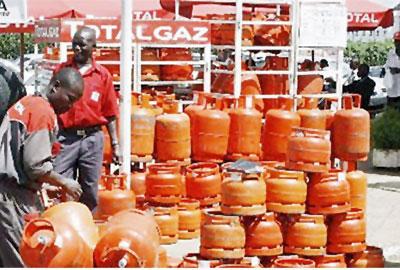
Nigeria, despite having Africa's largest proven gas reserves and increasing gas production, is experiencing significant shortages of Liquefied Petroleum Gas, also known as cooking gas, with household and industrial consumers facing difficulties in accessing the product, leading to pressure on retail prices.
nSome producers are prioritizing the export market over domestic demand, with data from the Nigerian Upstream Petroleum Regulatory Commission showing that 62 per cent of the total gas output in the first two months of this year was exported, leaving only 38 per cent for the domestic market.
nIndustry analysts note that this lopsided supply structure, which was previously sustainable when most Nigerians were not using gas for cooking, can no longer continue, and is now destabilizing the domestic market.
nRising demand for cooking gas has outpaced domestic supply, with Financial Vanguard findings indicating that demand has continued to outstrip supply, according to the latest industry report, titled "Nigeria LPG Production & Supply Matrix (2023-2026)".
nThe report states that estimated national consumption of cooking gas increased by 20 per cent to 1.8 million metric tonnes in 2026 from 1.5 million metric tonnes in 2023, while estimated national supply rose to between 1.55 million metric tonnes and 1.65 million metric tonnes in 2026.
nThis shortage comes despite increased production, particularly with the entry of Dangote Refinery into the supply end, highlighting the supply-demand gap in the market.
nThe figures indicate that demand growth is outpacing supply expansion, despite rising domestic production and increased investment by major operators, resulting in retail prices in many parts of the country being between N1,700 and N2,000 per kilogramme.
nThis represents an increase of over 80 per cent from the average N1,100 in the first quarter of this year, with dealers warning that prices will continue to rise in the months ahead due to unresolved key problems.
nA report warns of a "catalogue of constraints", including low cylinder penetration, inadequate distribution infrastructure, marine terminal bottlenecks, and trucking costs that significantly affect final retail prices, as well as exchange-rate volatility that influences imported LPG pricing.
nExperts provide further insight, citing a review of reports by the NUPRC and the Nigerian Midstream and Downstream Petroleum Regulatory Authority, which shows that supply remains hindered by poor gas infrastructure, export priority over domestic supply, weak domestic gas pricing frameworks, insecurity, and pipeline vandalism.
nAn industry leader, who preferred to remain anonymous, noted that Nigeria lacks adequate gas gathering, processing, storage, and transmission infrastructure, leading to large volumes of gas being unable to be evacuated due to insufficient pipelines, processing plants, and distribution networks.
nMany producers prefer exporting gas through LNG projects due to more attractive pricing and stable foreign exchange earnings, resulting in domestic consumers struggling to access sufficient supply, the leader added.
nPersistent crude oil theft, vandalism, and insecurity in the Niger Delta continue to disrupt gas production and transportation, with attacks on pipelines and facilities often forcing operators to shut down production, reducing supply to domestic users.
nThe gas sector requires billions of dollars in long-term investment, but uncertainty in policy implementation, regulatory bottlenecks, and foreign exchange challenges have slowed capital inflows, with many critical gas projects suffering delays or remaining undeveloped.
nDomestic demand for LPG and natural gas has risen significantly due to population growth, urbanization, and government campaigns encouraging households to shift from firewood and kerosene to cleaner fuels, but supply expansion has not kept pace with increasing demand.
nThe depreciation of the naira has sharply increased the cost of imported LPG and gas-related equipment, with exchange-rate instability directly affecting pricing and availability, and Nigeria's LPG storage capacity remaining inadequate compared to growing consumption levels.
nFrequent policy changes, multiple regulatory agencies, and implementation delays continue to create uncertainty in the sector, with operators citing inconsistent fiscal terms and unclear regulatory frameworks that discourage long-term planning and investment.
nDespite repeated commitments to end gas flaring, Nigeria still flares significant volumes of associated gas that could have been processed for domestic consumption, the industry leader stated.
nThe situation has brought untold hardship to millions of Nigerian households, small businesses, food vendors, and low-income families who rely on LPG for daily cooking and livelihood, according to Barrister Edu Inyang, National President, Nigerian Association of Liquefied Petroleum Gas Marketers, and Bassey Essien, Executive Secretary of the association.
nThey noted that the current situation is eroding the substantial progress made by the government in promoting clean energy usage in the country, with members facing challenges sourcing LPG due to persistent supply shortages, high depot prices, logistics bottlenecks, and rising operational costs.
nThe association warned that many families are reverting to firewood and charcoal, despite the serious implications for public health, environmental degradation, and deforestation, and called on the Federal Government and other stakeholders to take urgent and coordinated steps to stabilize the market.
nThe National President of the Oil and Gas Service Providers Association of Nigeria, Mazi Colman Obasi, stated that the outlook is not bright in the short and medium term due to unresolved problems, including poor infrastructure and limited investment, which require huge capital and longer timeframes to resolve.
nAnother industry expert warned that unless Nigeria addresses infrastructure deficits, improves domestic supply incentives, and strengthens investment conditions, the country may continue to experience gas shortages, despite its enormous reserves and production potential.
nData from the National Bureau of Statistics indicated that the price of cooking gas rose by 335 per cent to N1,741 per kilogramme in 2026 from N400 per kilogramme in 2016, driven by limited supply and other market forces, with analysts warning that the country may remain trapped in cooking gas poverty despite its enormous gas wealth.
Related Stories
 General News
CELEBRATING TWO YEARS OF TRANSFORMATIONAL LEADERSHIP IN THE PRESIDENTIAL AMNESTY PROGRAMME
Tomorrow, 14TH March 2026, as we look forward to the second anniversary, we reflect on the remarkable two years since the Administrator of the Preside
 General News
PRESIDENTIAL AMNESTY PROGRAMME PHASE 3: DISREGARD PURPORTED STATEMENT ON DELAYED ITA PAYMENTS — OFFICE OF NATIONAL CHAIRMAN
The Office of the National Chairman of the Presidential Amnesty Programme Phase 3, General Elaye ThankGod Dollar Slaboh, has called on beneficiaries a
 General News
RE: CLARIFICATION ON MY PERSONAL RELATIONSHIPS
PUBLIC NOTICErnrnRE: CLARIFICATION ON MY PERSONAL RELATIONSHIPSrnrnIt has become necessary to make this public clarification following the increasing