
Little-Known Authorities of Nigeria's Senate Head That May Surprise You
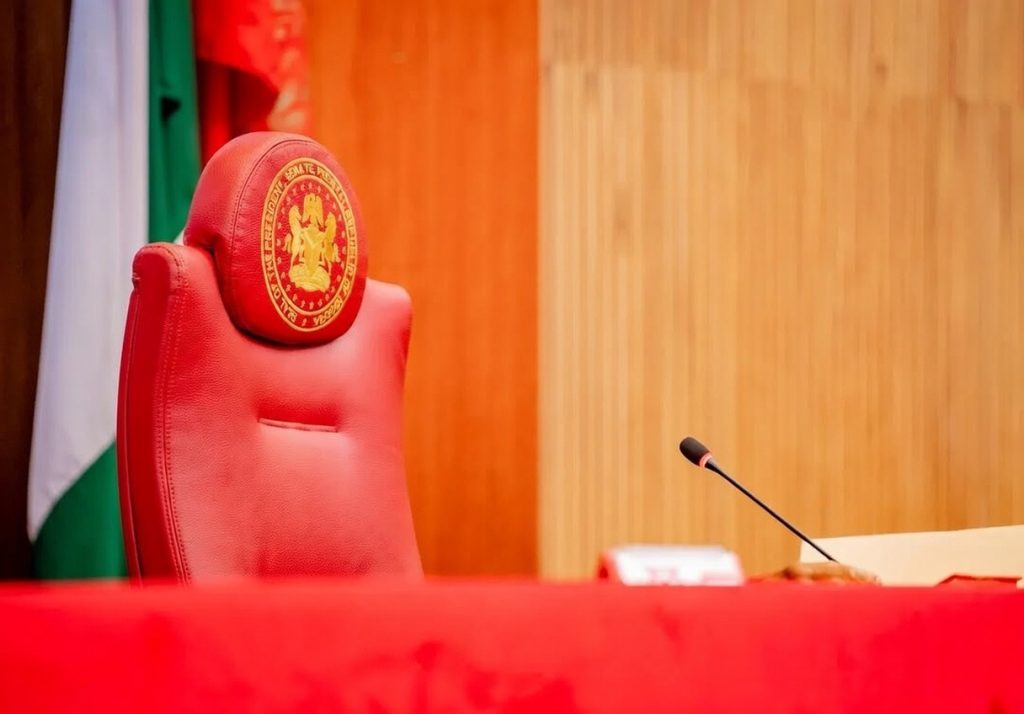
The Senate President of Nigeria holds a position that is frequently regarded as the third most influential office in the country, following the President and Vice President, due to the multitude of responsibilities that come with it, including presiding over plenary sessions and signing bills.
nSeveral lesser-known constitutional, statutory, and practical powers contribute to the office's significant influence, which is often underestimated by the general public, and these powers include eight key areas that are not widely discussed.
nBy virtue of Section 83(1) of the 1999 Constitution, as amended, the Senate President is a statutory member of the National Security Council, granting them access to classified security briefings and a role in shaping national security strategy.
nThis membership also provides the Senate President with a seat at the table when major decisions regarding insurgency, terrorism, banditry, or foreign threats are made, giving them significant influence over the country's security.
nUnder Section 88 of the Constitution, the Senate, led by the Senate President, has the power to summon any person or authority, including the President, to explain matters within its legislative oversight jurisdiction, although the President cannot be compelled to appear personally.
nThe Senate President can trigger high-stakes public inquiries that force executive accountability, making this power a significant tool for holding the executive branch responsible for their actions.
nIf both the President and Vice President are absent, incapacitated, or removed simultaneously, Section 146(2) vests acting presidential powers in the Senate President until a new election or replacement is made, giving them a crucial role in the country's succession plan.
nThis succession role carries enormous constitutional weight, although it is rarely discussed, and highlights the significant influence the Senate President has in times of crisis.
nThe Senate President also has practical influence over ministerial nominees, as they control the screening timetable, committee referrals, and floor debates, allowing them to quietly stall or kill controversial nominations without a public vote.
nThis makes the Senate President a gatekeeper to the Federal Executive Council, with significant power to shape the composition of the executive branch.
nAs head of the National Assembly, the Senate President chairs crucial joint sessions with the House of Representatives, such as budget presentation, impeachment proceedings, and constitutional amendments, allowing them to set the agenda and control the timing of these events.
nThe Senate President has near-absolute authority to interpret the Senate Standing Orders and rule on points of order, giving them significant control over the legislative flow and the ability to determine the fate of bills and motions.
nThe Senate President also indirectly influences appointments to anti-corruption bodies and the Code of Conduct Tribunal through the Senate's confirmation powers and oversight committees, which can impact the trajectory of probes against high-ranking officials.
nIn politically charged cases, this leverage can determine whether probes are fast-tracked or quietly buried, making the Senate President a key player in the country's anti-corruption efforts.
nThe Senate President is also the gatekeeper of constitutional amendment thresholds, as they can shape the amendment agenda, decide which proposals reach the floor, and rally or block the required supermajority, making the office pivotal in altering Nigeria's fundamental law.
nThese hidden powers demonstrate why the Senate Presidency is often described as a highly influential office, with the occupant playing a significant role in shaping national security, executive appointments, legislative outcomes, succession, and constitutional change, often behind closed doors.
nThe role of the Senate President may appear ceremonial on television, but its real influence runs deep into every major decision affecting Nigeria's democracy and governance, making it a crucial position in the country's political landscape.
Related Stories
 General News
CELEBRATING TWO YEARS OF TRANSFORMATIONAL LEADERSHIP IN THE PRESIDENTIAL AMNESTY PROGRAMME
Tomorrow, 14TH March 2026, as we look forward to the second anniversary, we reflect on the remarkable two years since the Administrator of the Preside
 General News
PRESIDENTIAL AMNESTY PROGRAMME PHASE 3: DISREGARD PURPORTED STATEMENT ON DELAYED ITA PAYMENTS — OFFICE OF NATIONAL CHAIRMAN
The Office of the National Chairman of the Presidential Amnesty Programme Phase 3, General Elaye ThankGod Dollar Slaboh, has called on beneficiaries a
 General News
RE: CLARIFICATION ON MY PERSONAL RELATIONSHIPS
PUBLIC NOTICErnrnRE: CLARIFICATION ON MY PERSONAL RELATIONSHIPSrnrnIt has become necessary to make this public clarification following the increasing