
Lack of Clean Water: Nigerians Endure Daily Hardship and Fatalities, Say Civil Groups and Agricultural Workers
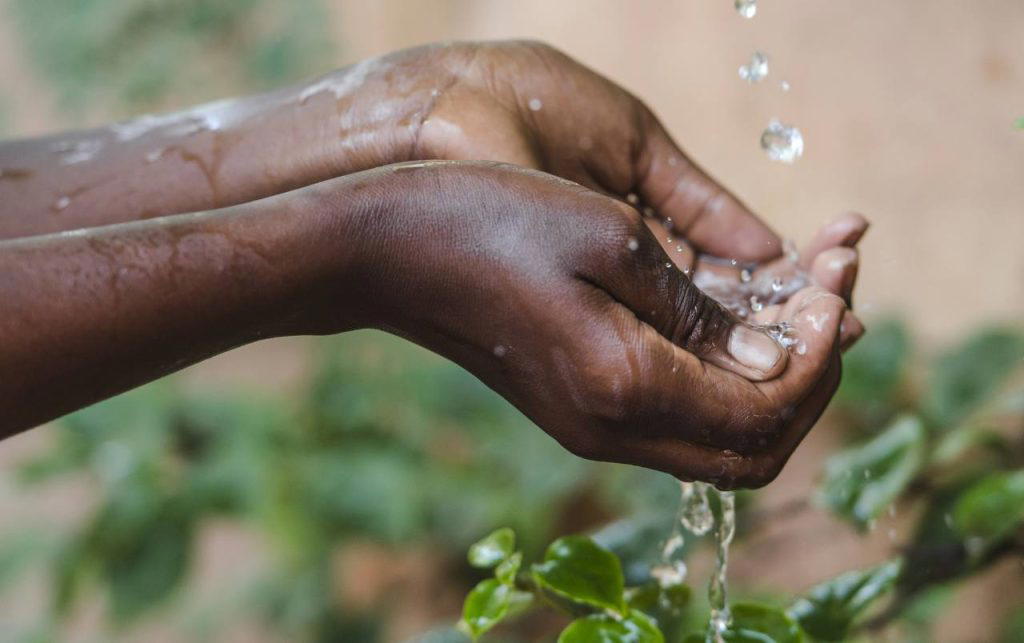
Nigerian musician Fela Anikulapo Kuti once said, “water no get enemy”, a phrase that has become a globally accepted expression about the importance of water, yet in Nigeria, accessing safe drinking water is a challenge, with the country commemorating World Water Day on March 22, 2026, with the theme, ‘Water and Gender: Where Water Flows, Equality Grows’.
nThe United Nations Children Education Fund, UniCEF, reports that 86% of Nigerians lack access to a safely managed drinking water source, while 70% have “basic water services,” but more than half of those sources are contaminated, and only seven per cent have piped water in their home, with just 31% having water on premises.
nAccording to UniCEF, 73% of Nigerians have access to a water source, but only nine litres per person is available daily on average, which is below the UN benchmark of 20 litres per person per day, and 25% of Nigerians still use unsafe water, leading to the spread of waterborne diseases.
nCivil Society Organizations, CSOs, and farmers have expressed their concerns over the water challenge, lamenting the negative impact it has on their health and food production, with little or no efforts from the government to address the issue.
nPhilip Jakpor, Executive Director of the Renevlyn Development Initiative, RDI, stated that the government has failed to provide potable and affordable water, forcing Nigerians to resort to self-help, which has come at a great cost to their pockets, health, and the environment.
nJakpor noted that the failure of the government to provide water has led to the drilling of boreholes and patronage of water vendors who get water from unwholesome sources, exposing people to water-borne diseases, and also causing environmental damage.
nThe RDI boss asserted that there is no synergy between the federal and state governments to manage water resources, leading to a lack of coordination and effective service delivery, and that the government should prioritize the provision of water as a human right.
nJakpor emphasized that the government's approach to water provision is flawed, with a focus on humanitarian work rather than developing, managing, and regulating water resources, and that a new thinking is needed to address the water crisis.
nHe stated that the government should prioritize innovative financing of water, which accommodates everyone, rather than relying on international agencies that impose conditions that are detrimental to the country's development.
nJakpor said that water has never been treated as an essential resource by the government, and that the annual budgetary allocations for water are often mismanaged, leading to a lack of access to clean and drinkable water.
nThe Renevlyn Development Initiative, RDI, is advocating for the recognition of access to water as a human right, and is involved in federal, state, and community level advocacy and mobilization of local communities to demand access to water.
nActionAid Nigeria, AAN, has also expressed concerns over the limited access to safe drinking water in Nigeria, with the Country Director, Dr Andrew Mamedu, stating that access to safe drinking water remains limited and highly unequal.
nDr Mamedu noted that according to estimates by UNICEF and the World Health Organisation in 2021, over 60 million Nigerians lack access to basic drinking water services, and many more rely on water sources that are unsafe or unreliable.
nThe root causes of the water crisis, according to Dr Mamedu, are multi-layered, including chronic underinvestment in water infrastructure, poor maintenance culture, and weak institutional capacity, as well as governance and accountability challenges.
nDr Mamedu emphasized that the burden of the water crisis is not evenly distributed, with women and girls being disproportionately affected, as they often bear the responsibility of fetching water, sometimes walking several kilometres daily.
nA fundamental shift is required in how water is governed, financed, and delivered, according to Dr Mamedu, who noted that access to affordable water depends largely on strengthening public water systems so that they function efficiently and equitably.
nDr Mamedu stated that ensuring that water policies are deliberately pro-poor, and that communities are actively involved in the planning and management of water systems, is essential for improving access to affordable water.
nActionAid Nigeria is working to improve access to safe and quality water through a combination of direct community interventions, policy advocacy, and systems strengthening, according to Dr Mamedu.
nThe organization's approach recognizes that sustainable access to water goes beyond infrastructure and requires empowering communities, influencing policy, and addressing underlying inequalities, Dr Mamedu explained.
nDr Mamedu noted that ActionAid Nigeria supports the provision and rehabilitation of water facilities, such as boreholes and community water systems, and works with stakeholders to promote increased investment, transparency, and accountability in the management of water resources.
nThe organization also integrates water access with broader development outcomes, particularly in health, education, and livelihoods, and promotes hygiene education and links water access to improved sanitation practices, Dr Mamedu said.
nAccording to Dr Mamedu, ActionAid Nigeria adopts a gender-responsive approach in all its interventions, recognizing that women and girls are disproportionately affected by the water crisis.
nDr Mamedu emphasized that ensuring that Nigerian farmers have access to water throughout the year is critical for strengthening food systems, reducing poverty, and enhancing national resilience, and that sustained investment in irrigation infrastructure is needed.
nExpanding access to irrigation, particularly for smallholder farmers, would enable multiple planting cycles, increase yields, and stabilize incomes, Dr Mamedu noted, and that access to affordable financing is equally important for farmers to invest in water-efficient technologies.
nEffective water resource management is essential to balance competing demands across sectors, Dr Mamedu stated, and that integrated approaches that consider domestic, agricultural, and industrial needs are necessary to ensure long-term sustainability.
Related Stories
 General News
CELEBRATING TWO YEARS OF TRANSFORMATIONAL LEADERSHIP IN THE PRESIDENTIAL AMNESTY PROGRAMME
Tomorrow, 14TH March 2026, as we look forward to the second anniversary, we reflect on the remarkable two years since the Administrator of the Preside
 General News
PRESIDENTIAL AMNESTY PROGRAMME PHASE 3: DISREGARD PURPORTED STATEMENT ON DELAYED ITA PAYMENTS — OFFICE OF NATIONAL CHAIRMAN
The Office of the National Chairman of the Presidential Amnesty Programme Phase 3, General Elaye ThankGod Dollar Slaboh, has called on beneficiaries a
 General News
RE: CLARIFICATION ON MY PERSONAL RELATIONSHIPS
PUBLIC NOTICErnrnRE: CLARIFICATION ON MY PERSONAL RELATIONSHIPSrnrnIt has become necessary to make this public clarification following the increasing