
Key Points to Consider Regarding the Upcoming Iran-United States Discussions Scheduled to Take Place in Islamabad
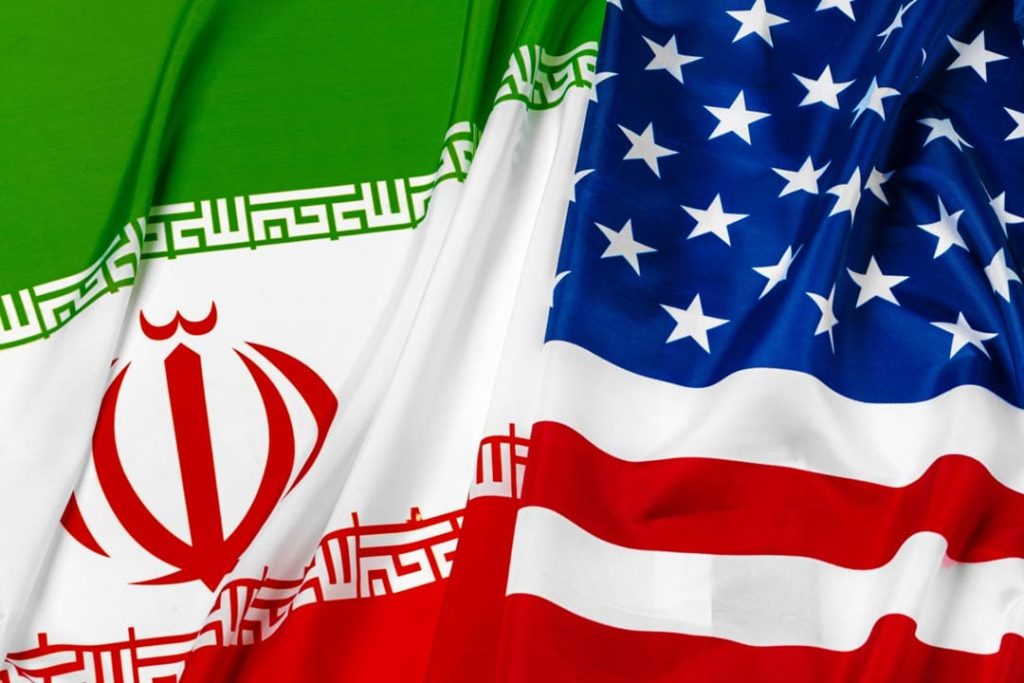
Pakistan is poised to facilitate crucial talks between Iran and the United States, aiming to transform a delicate two-week ceasefire into a lasting resolution to the conflict that has resulted in thousands of fatalities and disrupted global energy markets.
nThe conflict has its roots in the coordinated strikes launched by the United States and Israel on February 28, which claimed the life of supreme leader Ali Khamenei and targeted Iran's military and nuclear infrastructure, ultimately leading to the deaths of over 3,000 people in Iran within a five-week period, as reported by Iranian media and the US-based Human Rights Activists News Agency.
nThe Iranian response to these strikes involved effectively closing the Strait of Hormuz, a vital Gulf waterway through which approximately a fifth of the world's oil and gas passes, causing a significant spike in energy prices and worldwide trade disruptions.
nA two-week ceasefire was brokered by Pakistan and agreed upon by Washington and Tehran on April 8, with the ceasefire set to expire on April 22, thus creating a sense of urgency for a lasting resolution.
nPakistan's unique position as a mediator stems from its extensive diplomatic network, which is built on the country's historical, cultural, and religious ties with Iran, as well as its strong relationships with Washington, Riyadh, and Beijing.
nIran was the first country to recognize Pakistan's statehood following its independence in 1947, and the two nations share a 900-kilometre border, with Pakistan being home to over 20 million Shia Muslims, the second-largest Shia population globally after Iran.
nPakistani Foreign Minister Ishaq Dar recently visited Beijing, where he held talks with Chinese Foreign Minister Wang Yi, who expressed support for Islamabad's mediation efforts, describing them as being "in keeping with the common interests of all parties".
nAccording to a senior Pakistani official, China played a crucial role in convincing Iran to agree to a preliminary ceasefire, with the official stating that "on ceasefire night, hopes were fading, but China stepped in and convinced Iran to agree to a preliminary ceasefire".
nThe gap between the two sides remains substantial, with Washington's 15-point proposal focusing on Iran's enriched uranium and the reopening of the Strait of Hormuz, while Tehran has countered with a 10-point plan that includes demands for control over the strait, a toll for vessels crossing the strait, an end to all regional military operations, and the lifting of all sanctions.
nLebanon has emerged as a significant point of contention, with Israel continuing its strikes in the country targeting Hezbollah, despite the ceasefire, and Israeli Prime Minister Benjamin Netanyahu rejecting Prime Minister Shehbaz Sharif's assertion that the truce included Lebanon.
nUS Vice President JD Vance has adopted a softer tone, suggesting that there may have been a "legitimate misunderstanding" from Iran that Lebanon would be included in the ceasefire, while Iran's President Masoud Pezeshkian has warned that Israel's strikes on Lebanon render the negotiations "meaningless".
nIran has long refused to concede to Washington's demands on its nuclear programme, with Iranian sources stating that Tehran won't attend the talks unless a ceasefire is in place in Lebanon.
nThe American negotiating team will be led by US Vice President JD Vance, who will be joined by special envoy Steve Witkoff and presidential son-in-law Jared Kushner, marking the most senior US engagement with Iran since Secretary of State John Kerry negotiated the 2015 nuclear deal.
nWitkoff had previously held multiple rounds of Oman-mediated talks with Iranian Foreign Minister Abbas Araghchi before the war interrupted the process, and Araghchi, along with other Iranian security and economic officials, has arrived in Pakistan for the talks.
nThe talks are being held in the Pakistani capital, Islamabad, with the government maintaining secrecy about the venue, although the Serena Hotel, located next to the foreign ministry in the capital's high-security Red Zone, has been cleared of guests.
nAuthorities in Islamabad have announced a two-day public holiday and implemented significant security measures, including flooding the streets with armed security personnel, traffic diversions, and police checkpoints, with the talks expected to be indirect, involving Pakistani officials shuttling proposals between the two delegations in separate rooms.
Related Stories
 General News
CELEBRATING TWO YEARS OF TRANSFORMATIONAL LEADERSHIP IN THE PRESIDENTIAL AMNESTY PROGRAMME
Tomorrow, 14TH March 2026, as we look forward to the second anniversary, we reflect on the remarkable two years since the Administrator of the Preside
 General News
PRESIDENTIAL AMNESTY PROGRAMME PHASE 3: DISREGARD PURPORTED STATEMENT ON DELAYED ITA PAYMENTS — OFFICE OF NATIONAL CHAIRMAN
The Office of the National Chairman of the Presidential Amnesty Programme Phase 3, General Elaye ThankGod Dollar Slaboh, has called on beneficiaries a
 General News
RE: CLARIFICATION ON MY PERSONAL RELATIONSHIPS
PUBLIC NOTICErnrnRE: CLARIFICATION ON MY PERSONAL RELATIONSHIPSrnrnIt has become necessary to make this public clarification following the increasing