
Key facts about Andy Burnham, Britain's newly appointed premier
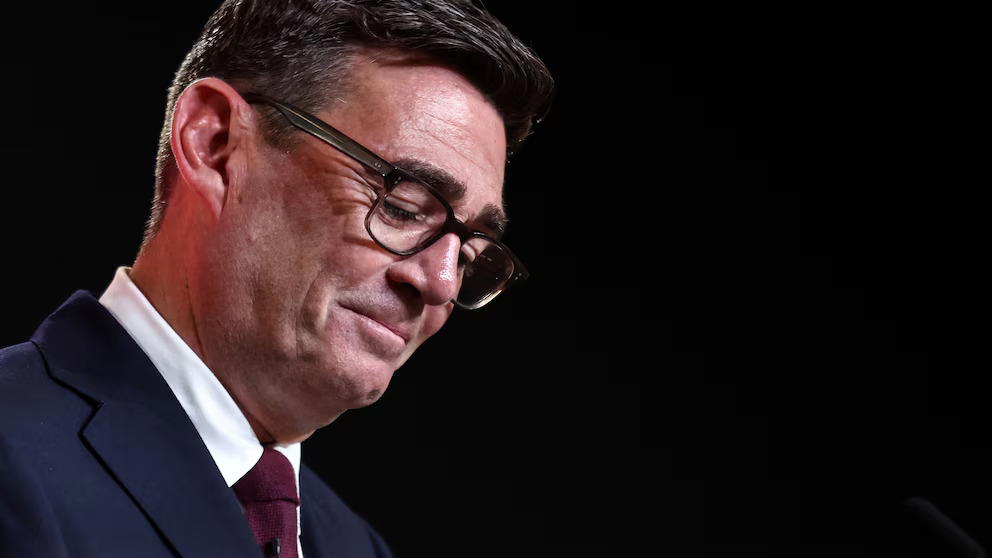
Andy Burnham officially became the United Kingdom’s new prime minister on Monday after succeeding Keir Starmer as leader of the governing Labour Party, making him the seventh British prime minister in a decade.
nThe former Greater Manchester mayor took office after Starmer resigned and formally handed over power following an audience with King Charles III at Buckingham Palace.
nHere are five key things to know about Britain’s new leader:
n1. He is a veteran Labour politician
nAndy Burnham, 56, has spent more than two decades in frontline British politics. Before becoming prime minister, he served as the Mayor of Greater Manchester, a role he held since 2017.
nEarlier in his career, Burnham was a Labour MP and held several cabinet positions under former Prime Ministers Tony Blair and Gordon Brown, including serving as Health Secretary, Culture Secretary and Chief Secretary to the Treasury.
n2. He earned the nickname “King of the North”
nBurnham became one of Britain’s most recognisable regional politicians during his time as mayor.
nHis outspoken defence of Greater Manchester during the COVID-19 pandemic and his campaign for greater powers and funding for England’s regions earned him the nickname “King of the North.”
nSupporters credit him with improving public transport in Greater Manchester and championing greater devolution away from Westminster.
n3. He replaces Keir Starmer without a general election
nBurnham’s arrival in Downing Street did not require a nationwide vote.
nUnder the UK’s parliamentary system, the governing party can replace its leader during a parliamentary term. Because Labour still commands a majority in Parliament, Burnham automatically became prime minister after winning the party leadership following Starmer’s resignation.
nThe next UK general election is not due until 2029 unless Burnham decides to call one earlier.
n4. He has promised to “rewire Britain”
nIn his first address as prime minister, Burnham pledged to “rewire Britain” and restore trust in politics.
nHis priorities include tackling the cost-of-living crisis, improving struggling public services, reducing regional inequalities and creating what he describes as a more stable and responsible style of government.
nHe has also signalled plans to decentralise power from Westminster and give more authority to local communities.
n5. He faces major challenges from day one
nBurnham inherits a difficult political and economic landscape.
nAmong the biggest issues awaiting the new prime minister are Britain’s high cost of living, pressure on the National Health Service (NHS), sluggish economic growth, housing shortages and concerns over public finances.
nHe will also have to unite the Labour Party after Starmer’s departure while preparing the government for the next general election.
n nRelated Stories
 General News
CELEBRATING TWO YEARS OF TRANSFORMATIONAL LEADERSHIP IN THE PRESIDENTIAL AMNESTY PROGRAMME
Tomorrow, 14TH March 2026, as we look forward to the second anniversary, we reflect on the remarkable two years since the Administrator of the Preside
 General News
PRESIDENTIAL AMNESTY PROGRAMME PHASE 3: DISREGARD PURPORTED STATEMENT ON DELAYED ITA PAYMENTS — OFFICE OF NATIONAL CHAIRMAN
The Office of the National Chairman of the Presidential Amnesty Programme Phase 3, General Elaye ThankGod Dollar Slaboh, has called on beneficiaries a
 General News
RE: CLARIFICATION ON MY PERSONAL RELATIONSHIPS
PUBLIC NOTICErnrnRE: CLARIFICATION ON MY PERSONAL RELATIONSHIPSrnrnIt has become necessary to make this public clarification following the increasing