
Jimoh Ibrahim is misinformed: UN steps into country's domestic matters, says Owei Lakemfa
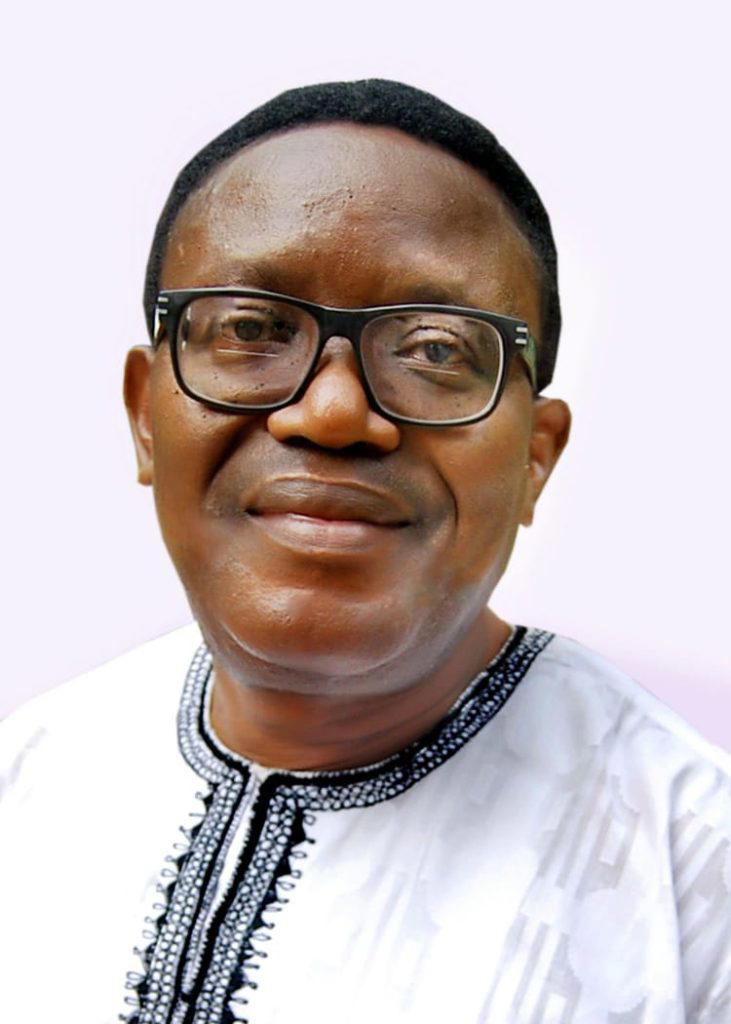
Oyo State Governor Seyi Makinde's call for international bodies, including the United Nations, to investigate the 56-day abduction of 39 pupils and six teachers in the state, has been met with opposition from the Tinubu administration, which deemed it "absolutely unnecessary".
nThe governor's spokesperson explained that the call for international scrutiny is aimed at reinforcing public confidence in the truth and ensuring accountability, rather than undermining local institutions, with the governor stating "this is not about politics, it is about justice for the victims, reassurance for our people, and restoring public confidence that every Nigerian child can go to school without fear".
nMr. Bayo Onanuga, spokesperson for the Tinubu administration, criticized Governor Makinde's call, suggesting that it was motivated by politics and a lack of trust in local institutions, and even the Senate cautioned Makinde against making such a call.
nHowever, Governor Makinde, as a human being, has the fundamental right to call for UN assistance in a case involving children as young as four, threats to life, murder, and gross human rights violations, just as the Presidency has the right to disagree with him.
nNigeria's Permanent Representative to the United Nations, Ambassador Jimoh Ibrahim, claimed that the UN does not interfere in the internal affairs of its member states and does not investigate domestic security incidents, but this statement is incorrect as the UN can and does interfere in internal affairs when necessary.
nThe UN has previously investigated domestic security incidents in Nigeria, including terrorism and banditry, such as the eleven-day enquiry conducted by the UN Special Rapporteur on Freedom of Religion or Belief, Nazila Ghanea, in June 2026.
nThe UN can also intervene in cases of gross human rights violations and protect civil populations, and if it considers a country's repeated inability to protect its populace, it can decide on a military intervention with or without government permission, as outlined in the 2005 UN Responsibility To Protect resolution.
nThe UN Security Council can impose sanctions on a country that fails to protect its population or endangers them, and can take further action, including military force, under Chapter VII of its Charter, as stated in Articles 41 and 42.
nThis was the case with the UN's intervention in Libya in 2011, where it passed Resolution 1973, imposing a no-fly zone and authorizing international bombing of the legitimate Libyan armed forces during the civil war.
nThe UN has also intervened in the internal affairs of other countries, such as South Africa, where it suspended the country's membership and called for an end to military and economic relations due to its internal apartheid policy, on November 12, 1974.
nThe UN can also criminalize the production and sale of certain goods, such as diamonds from conflict zones, and could potentially classify Nigerian oil as "blood oil" and prevent its sale if it is found to be fueling internal conflicts.
nFormer Liberian President Charles Taylor is serving a 50-year sentence for allegedly aiding Sierra Leonean rebels to commit crimes against humanity funded by "blood diamonds", highlighting the UN's ability to hold individuals accountable for such crimes.
nAs a non-career diplomat, Ambassador Jimoh Ibrahim's lack of knowledge about the UN Charter, resolutions, and practices is understandable, but he should take the time to educate himself on these matters to better serve the country.
nAmbassador Jimoh's announcement that President Tinubu would "generously" attend the UN General Assembly meeting was seen as insulting, as it is the President's duty to represent and speak for the Nigerian people, not a privilege.
nIt is advisable for President Tinubu to attend the UN General Assembly, as it is the deliberative and representative organ of humanity, where world leaders unfold their countries' programmes, agendas, and foreign priorities, and can meet to discuss and familiarize themselves with global issues.
Related Stories
 General News
CELEBRATING TWO YEARS OF TRANSFORMATIONAL LEADERSHIP IN THE PRESIDENTIAL AMNESTY PROGRAMME
Tomorrow, 14TH March 2026, as we look forward to the second anniversary, we reflect on the remarkable two years since the Administrator of the Preside
 General News
PRESIDENTIAL AMNESTY PROGRAMME PHASE 3: DISREGARD PURPORTED STATEMENT ON DELAYED ITA PAYMENTS — OFFICE OF NATIONAL CHAIRMAN
The Office of the National Chairman of the Presidential Amnesty Programme Phase 3, General Elaye ThankGod Dollar Slaboh, has called on beneficiaries a
 General News
RE: CLARIFICATION ON MY PERSONAL RELATIONSHIPS
PUBLIC NOTICErnrnRE: CLARIFICATION ON MY PERSONAL RELATIONSHIPSrnrnIt has become necessary to make this public clarification following the increasing