
Iran proposes Hormuz plan, Trump reportedly refuses
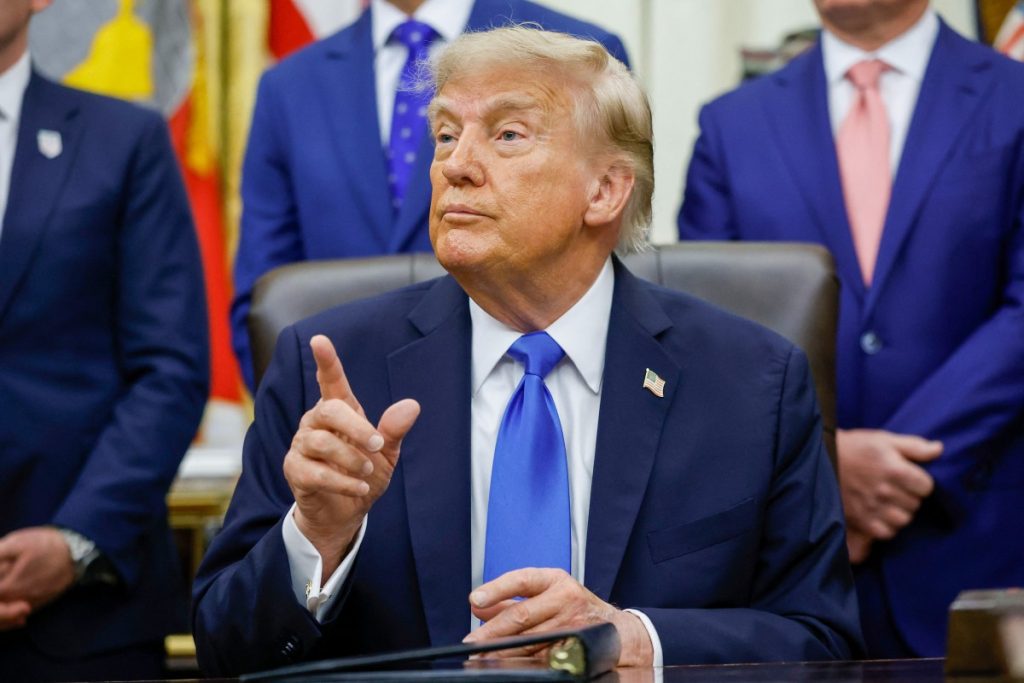
Photo by Kevin Dietsch / GETTY IMAGES NORTH AMERICA / Getty Images via AFP.
nIran offered a plan to reopen the strategic Strait of Hormuz, Tehran said Friday, but within hours reports indicated that US President Donald Trump rejected the proposal.
nThe waterway key to the world’s oil supply is central to the conflict between the United States and Iran, which is at a stalemate after nearly seven months.
nBut new mediation efforts at the UN’s gathering of world leaders in New York this week offered some optimism of progress toward a deal.
nIran’s Foreign Minister Abbas Araghchi met for talks on Tuesday with Trump’s envoy Steve Witkoff, and previously set out conditions for ending the war and reopening the vital shipping channel.
n“Iran has conveyed to the United States, through Qatar, a concrete seven-day plan. If the necessary conditions are met, the strait can be reopened, and normal maritime passage restored within seven days,” Araghchi said at the UN.
n“The choice now rests with the United States. Iran does not accept coercion, threats, or intimidation, and Iran will not surrender its sovereign rights under pressure.
nHowever, with hours of his comments The Wall Street Journal reported Trump had rejected the proposal, citing US officials familiar with the matter.
nThe report noted that the 80-year-old president was skeptical Tehran would meet his demands and added he sees a renewed bombing campaign as likely.
nTrump also posted an image to his Truth Social platform of a map showing the Strait of Hormuz circled and labelled “Trump Strait.”
nEarlier media reports suggested the new plan calls for a cessation of all hostilities in the Middle East for seven days, including in Lebanon.
nFrozen assets
nIt also reportedly calls for the release of frozen Iranian assets estimated to be worth at least $12 billion, as well as the lifting of sanctions on Iranian oil and an end to the US naval blockade of Iran.
nOn the seventh day of the truce, Iran would reopen Hormuz.
nIranian President Masoud Pezeshkian said in an interview with broadcaster CBS that the ceasefire “process will begin from the very day they accept it.”
n“We had previously reached an agreement based on the MOU that was signed in Pakistan…if the United States agrees to proceed in that way, everything will return to the way it was before,” he added.
nHossein Mohebi, a spokesman for the Revolutionary Guards, told AFP in an exclusive interview on Tuesday that ending hostilities in Yemen was also among Tehran’s demands.
nThe US and Iran signed a memorandum of understanding in June that aimed to end the war, reopen the strait and launch talks on Iran’s nuclear program.
nBut the deal broke down shortly afterward when Iran fired on commercial ships in Hormuz that it accused of deviating from its approved route through the waterway.
nIran requires ships to obtain authorization before passage, citing security and sovereignty reasons.
nShips that refuse to comply are regularly targeted, while the United States sporadically bombs Iranian coastal areas in retaliation.
n nRelated Stories
 General News
CELEBRATING TWO YEARS OF TRANSFORMATIONAL LEADERSHIP IN THE PRESIDENTIAL AMNESTY PROGRAMME
Tomorrow, 14TH March 2026, as we look forward to the second anniversary, we reflect on the remarkable two years since the Administrator of the Preside
 General News
PRESIDENTIAL AMNESTY PROGRAMME PHASE 3: DISREGARD PURPORTED STATEMENT ON DELAYED ITA PAYMENTS — OFFICE OF NATIONAL CHAIRMAN
The Office of the National Chairman of the Presidential Amnesty Programme Phase 3, General Elaye ThankGod Dollar Slaboh, has called on beneficiaries a
 General News
RE: CLARIFICATION ON MY PERSONAL RELATIONSHIPS
PUBLIC NOTICErnrnRE: CLARIFICATION ON MY PERSONAL RELATIONSHIPSrnrnIt has become necessary to make this public clarification following the increasing