
Iran dismisses allegations by Israel of backing terrorist activities in Nigeria and the Sahel region
By Favour Ulebor, Abuja
nThe Ambassador of the Islamic Republic of Iran to Nigeria, Gholamreza Mahdavi Raja, has strongly denied allegations that Iran sponsors terrorism in Nigeria or across the Sahel, describing the claims as “unfounded” and part of a broader propaganda campaign.
nRaja made the remarks in an exclusive interview with Vanguard, responding to statements attributed to the Israeli Ambassador to Nigeria, Michael Freeman, who in a February 6, 2026 interview alleged that Iran exerts influence in Nigeria and the wider Sahel region through sponsorship of terrorism.
nThe Iranian envoy dismissed the allegations, saying they stem from a government with a history of violence beyond its borders. “Such allegations are entirely unfounded and form part of a propaganda campaign by a regime that has a long record of violence and violations of international law,” Raja said.
nHe stressed that Iran itself has been a victim of terrorism over decades, with thousands of citizens affected, and emphasized the country’s commitment to genuine international cooperation to combat terrorism.
nRaja further reassured Nigeria of Tehran’s friendly relations, noting that bilateral ties are cordial, transparent, and legally grounded, spanning trade, education, culture, science, technology, health, and diplomatic engagement. “Iran regards Nigeria as an important and influential country in Africa and seeks constructive, long-term engagement with Nigeria and all African countries,” he said.
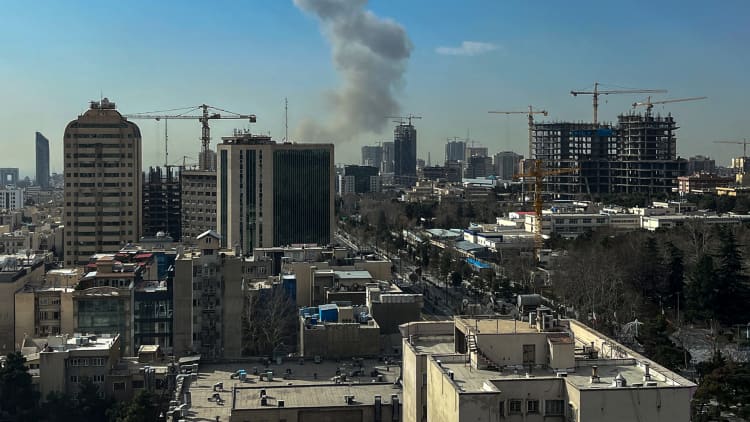
nThe ambassador’s comments come amid escalating conflict between Iran, Israel, and the United States, following coordinated military strikes in late February 2026 on Iranian cities and strategic sites. The operations, named Operation Roaring Lion and Operation Epic Fury, targeted air defence and nuclear infrastructure, triggering Iranian retaliatory strikes on Israeli territory and U.S. military bases in the Gulf.
nThe conflict has also seen regional escalation, with Tehran‑aligned proxy groups such as Hezbollah firing rockets into northern Israel, prompting reciprocal strikes on Lebanese territory. Economic repercussions include disruptions to global oil markets, particularly around the Strait of Hormuz.
nAs of early March 2026, the conflict shows no immediate sign of de-escalation, with sustained military actions, regional spillovers, and complex diplomatic divisions continuing to challenge international peace efforts.
nRaja reiterated that allegations linking Iran to terrorism in Nigeria and the Sahel are baseless and urged reliance on evidence-based assessments rather than politically motivated claims.
n nRelated Stories
 General News
CELEBRATING TWO YEARS OF TRANSFORMATIONAL LEADERSHIP IN THE PRESIDENTIAL AMNESTY PROGRAMME
Tomorrow, 14TH March 2026, as we look forward to the second anniversary, we reflect on the remarkable two years since the Administrator of the Preside
 General News
PRESIDENTIAL AMNESTY PROGRAMME PHASE 3: DISREGARD PURPORTED STATEMENT ON DELAYED ITA PAYMENTS — OFFICE OF NATIONAL CHAIRMAN
The Office of the National Chairman of the Presidential Amnesty Programme Phase 3, General Elaye ThankGod Dollar Slaboh, has called on beneficiaries a
 General News
RE: CLARIFICATION ON MY PERSONAL RELATIONSHIPS
PUBLIC NOTICErnrnRE: CLARIFICATION ON MY PERSONAL RELATIONSHIPSrnrnIt has become necessary to make this public clarification following the increasing