
Gowon Claims Ojukwu Undermined All Efforts at Peace During Aburi Agreement Talks
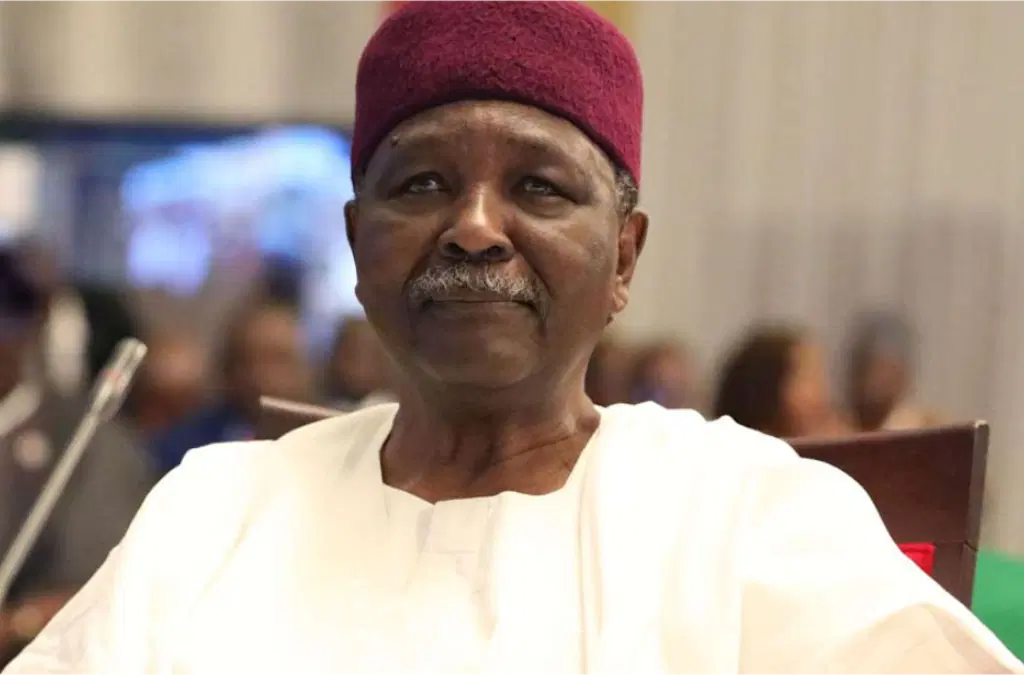
Former Head of State, Yakubu Gowon, has reopened a painful chapter in Nigeria's history, accusing late Biafran leader, Chukwuemeka Odumegwu Ojukwu, of frustrating efforts to prevent the country from sliding into civil war, as revealed in his autobiography, My Life of Service and Allegiance.
nGowon's autobiography offers a personal account of the failed peace talks, political mistrust, and constitutional disputes that shattered negotiations between the federal military government and the Eastern Region before the 1967–1970 Civil War, reflecting on the tensions that followed the January and July 1966 coups.
nGowon stated that "Ojukwu deliberately and effectively thwarted every effort we made to amicably resolve our national issues," and that several attempts were made to reach a political settlement after the killings of Igbos in parts of Northern Nigeria triggered outrage and growing separatist pressure in the Eastern Region.
nThe federal military government agreed to the January 1967 meeting in Aburi, Ghana, believing dialogue could still prevent the collapse of the federation, with Gowon writing, "We went to Aburi with open minds and with the sincere hope of finding a basis for national reconciliation."
nThe meeting, brokered by former Ghanaian leader, Lt.-Gen. Joseph Arthur Ankrah, brought together Nigeria's top military officers at a time the country was under severe strain from coups, ethnic killings, and deepening distrust within the armed forces, but Gowon said the talks ran into trouble after both sides returned from Ghana with different interpretations of what had been agreed.
nAccording to Gowon, Ojukwu's interpretation of the Aburi Accord would have weakened the authority of the Federal Government and left the country too fragile to survive as one nation, with Gowon writing, "What was presented by Ojukwu as the Aburi Accord was, in reality, his own interpretation of our discussions."
nGowon's government found itself caught between mounting regional tension and fears that accepting Ojukwu's demands would accelerate the breakup of the country, but he maintained that efforts to avoid war continued, stating, "At every stage, we tried to preserve Nigeria without resorting to war."
nThe autobiography revisits the debate over whether the Aburi Accord represented Nigeria's last real chance for peace or whether the country had already moved too close to confrontation for any agreement to hold, with Gowon rejecting claims that the federal government negotiated in bad faith.
nGowon described the period as one marked by fear, suspicion, and rapidly eroding trust among military and political leaders struggling to keep the federation together, writing, "Ojukwu's actions made peaceful settlement increasingly difficult."
nGowon reflected on the killings that followed the failed coups of 1966, acknowledging the fear and trauma experienced by many Eastern Nigerians living outside their region, and stating, "I understood the fears of the Easterners, but the breakup of Nigeria was never an option I could accept."
nCommunication between both sides steadily deteriorated in the months leading to Biafra's declaration on May 30, 1967, as suspicion hardened positions and compromise became more difficult, with Gowon writing, "We were confronted with a situation in which compromise was becoming almost impossible."
nGowon defended the federal military government's decision to create 12 states shortly before Biafra's declaration, saying the move was aimed at addressing fears of domination among minority ethnic groups and reducing the concentration of power within the regions.
nAccording to Gowon, the creation of states was intended to give all groups a sense of belonging within Nigeria, with several minority communities in the old Eastern Region wanting direct recognition from the federal government and fearing being politically overshadowed.
nGowon rejected claims that the federal government was eager for war, insisting that military confrontation became unavoidable only after the declaration of Biafra, stating, "Ojukwu's declaration of Biafra left the federal government with no choice."
nGowon defended the 'No Victor, No Vanquished' policy announced at the end of the Civil War in January 1970, saying reconciliation and reintegration were necessary to rebuild the country after years of bloodshed, and that the war was fought to preserve Nigeria's unity rather than to punish any ethnic group.
nReflecting on the humanitarian toll of the war, which claimed millions of lives and displaced many others, Gowon said the post-war years required restraint, reconciliation, and deliberate efforts to prevent lasting national division, stating, "We had to think about the future of the country beyond the bitterness of war."
nThough Ojukwu maintained until his death in 2011 that Biafra emerged out of necessity and the failure of the Nigerian state to protect Easterners, Gowon's memoir presents a sharply different account, placing responsibility for the collapse of peace talks squarely on the late Biafran leader.
nGowon wrote, "We exhausted every peaceful avenue available to us, but Nigeria had to survive," highlighting the federal government's efforts to preserve the country's unity amidst the turmoil of the civil war.
Related Stories
 General News
CELEBRATING TWO YEARS OF TRANSFORMATIONAL LEADERSHIP IN THE PRESIDENTIAL AMNESTY PROGRAMME
Tomorrow, 14TH March 2026, as we look forward to the second anniversary, we reflect on the remarkable two years since the Administrator of the Preside
 General News
PRESIDENTIAL AMNESTY PROGRAMME PHASE 3: DISREGARD PURPORTED STATEMENT ON DELAYED ITA PAYMENTS — OFFICE OF NATIONAL CHAIRMAN
The Office of the National Chairman of the Presidential Amnesty Programme Phase 3, General Elaye ThankGod Dollar Slaboh, has called on beneficiaries a
 General News
RE: CLARIFICATION ON MY PERSONAL RELATIONSHIPS
PUBLIC NOTICErnrnRE: CLARIFICATION ON MY PERSONAL RELATIONSHIPSrnrnIt has become necessary to make this public clarification following the increasing