
Government steps in as illicit imports paralyze nearly 90 domestic rice processing facilities
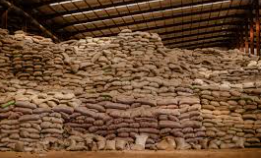
The Federal Government has intervened to safeguard Nigeria's rice industry, prompted by the shutdown of approximately 90 local rice mills nationwide due to rampant smuggling of foreign rice, with the move announced during a high-level meeting in Abuja on Monday.
nThis meeting, attended by the Minister of State for Industry, Trade and Investment, Senator John Owan Enoh, and the Rice Processors Association of Nigeria (RIPAN), was convened to address the challenges plaguing the rice value chain, including illicit imports and inadequate infrastructure.
nAccording to Augustina Obilor-Duru, the Ministry's Head of Press, the discussions centered on the myriad issues affecting local processors and farmers, such as rising production costs and weak infrastructure.
nSenator Enoh emphasized the necessity of strong collaboration between the government and industry stakeholders to stabilize the sector and maintain Nigeria's rice self-sufficiency, stating that collective efforts are required to achieve sustainable progress in the industry.
nHe noted that the influx of cheaper imported rice undermines local production and discourages investment, warning that the sale of smuggled rice at significantly lower prices than locally processed rice jeopardizes domestic production.
nSenator Enoh assured that the government will implement necessary policy actions to protect the local industry, emphasizing the need for credible data from stakeholders to inform effective policy design.
nHe also stressed the importance of responsible conduct within the sector, which would foster transparency, cooperation, and national development, while urging stakeholders to work together to ensure Nigeria's continued progress toward self-sufficiency in rice production.
nRIPAN Director-General, Dr. Andy Ekwelem, highlighted the devastating impact of large-scale smuggling, which has created unfair competition for local millers due to cheaper imported rice.
nDr. Ekwelem explained that smuggled rice enters the Nigerian market at prices that local producers cannot compete with, resulting in the shutdown of many rice mills and forcing the remaining mills to operate at only 30-70 per cent of capacity.
nThe rice sector remains a significant contributor to the economy, providing direct jobs for over 100,000 people and supporting more than 10 million farmers across the agricultural value chain, according to Dr. Ekwelem.
nHowever, Dr. Ekwelem noted that local millers continue to face challenges such as rising production costs, insecurity in farming communities, and inadequate infrastructure, which hinder their ability to operate effectively.
nHe clarified that recent declines in rice prices in some markets should not be attributed to increased domestic production, but rather to the activities of organized smuggling networks that illegally import large volumes of rice into the country.
Related Stories
 General News
CELEBRATING TWO YEARS OF TRANSFORMATIONAL LEADERSHIP IN THE PRESIDENTIAL AMNESTY PROGRAMME
Tomorrow, 14TH March 2026, as we look forward to the second anniversary, we reflect on the remarkable two years since the Administrator of the Preside
 General News
PRESIDENTIAL AMNESTY PROGRAMME PHASE 3: DISREGARD PURPORTED STATEMENT ON DELAYED ITA PAYMENTS — OFFICE OF NATIONAL CHAIRMAN
The Office of the National Chairman of the Presidential Amnesty Programme Phase 3, General Elaye ThankGod Dollar Slaboh, has called on beneficiaries a
 General News
RE: CLARIFICATION ON MY PERSONAL RELATIONSHIPS
PUBLIC NOTICErnrnRE: CLARIFICATION ON MY PERSONAL RELATIONSHIPSrnrnIt has become necessary to make this public clarification following the increasing