
Government reiterates pledge to combat narcotics syndicates, boost treatment programs
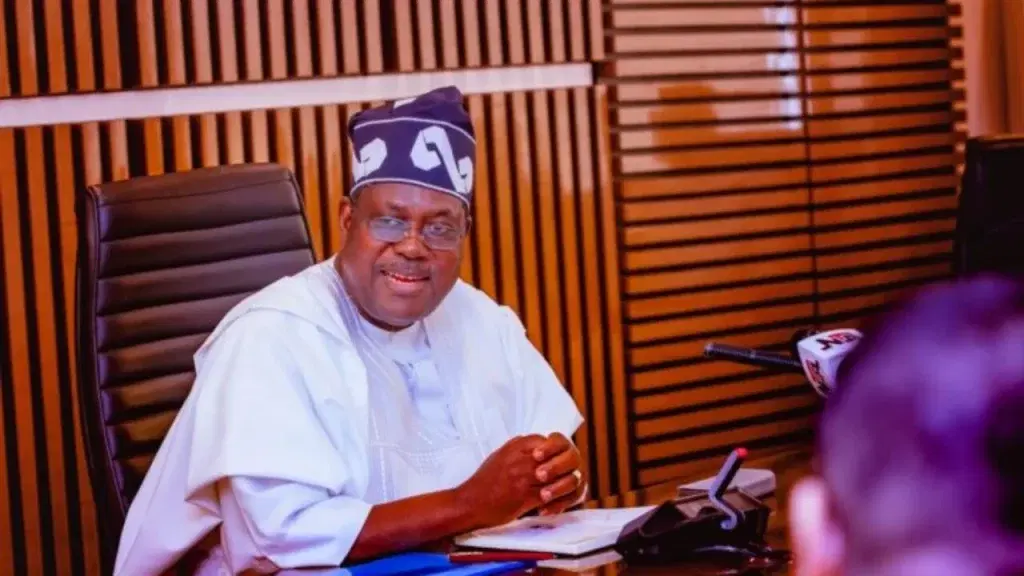
The Federal Government has reiterated its dedication to combating the illicit drug trade by dismantling trafficking networks and expanding access to treatment and rehabilitation, with the aim of promoting the wellbeing of Nigerians.
nThis commitment was reaffirmed by Secretary to the Government of the Federation, Senator George Akume, at the opening of the National Drug Use Summit in Abuja on Wednesday, an event themed “Addressing Illicit Drug Use and Trafficking: A Call to National Action”.
nThe summit was jointly organised by the National Drug Law Enforcement Agency, the Federal Ministry of Health and Social Welfare, and the United Nations Office on Drugs and Crime, bringing together stakeholders to address the growing concern of substance abuse.
nAkume, represented by the Permanent Secretary, General Services Office, Dr. Adamu Ibrahim Kana, emphasized that the Federal Government remains committed to preventing illicit drug use and improving access to treatment and rehabilitation, acknowledging that no nation can achieve sustainable development with a youth population threatened by substance abuse.
nHe highlighted that criminal networks involved in drug trafficking pose a significant threat to national security, exploiting societal vulnerabilities, and that the summit provides an opportunity for stakeholders to renew their commitment and develop coordinated strategies to address drug-related challenges.
nThe administration of President Bola Tinubu, under the Renewed Hope Agenda, is focused on building resilient communities, promoting mental health, and empowering young people, with a strong emphasis on tackling drug abuse and related crimes.
nAkume commended the NDLEA, the Ministry of Health and Social Welfare, and the UNODC for convening the summit, which aims to bring about a coordinated approach to addressing substance abuse.
nNDLEA Chairman and Chief Executive Officer, Brig.-Gen. Mohamed Buba Marwa, described the summit as a national platform for reflection, dialogue, and collective action against the growing burden of drug use and substance use disorders.
nMarwa stressed that while the NDLEA has recorded significant achievements, including 29,262 arrests over the past 18 months, the scale of the challenge requires a whole-of-government and whole-of-society approach involving various stakeholders.
nThe agency's efforts have led to the seizure of 5,305,484.88 kilograms of illicit drugs valued at over N1.5 trillion, as well as the conviction of 5,225 offenders, demonstrating the need for continued collaboration and commitment.
nMarwa also highlighted the agency's prevention efforts, including 6,645 drug awareness and sensitisation programmes conducted nationwide, reaching nearly five million Nigerians, and the provision of counselling, treatment, and rehabilitation to 13,508 drug users through the NDLEA's 31 rehabilitation centres.
nThe launch of the Alternative Development Initiative for cannabis growers is another significant step, designed to support their transition to legitimate agricultural production and sustainable livelihoods.
nMinister of Health and Social Welfare, Prof. Ali Pate, urged stakeholders to ensure the summit produces tangible outcomes, measuring success by reductions in drug use, improvements in patient recovery, and the restoration of families affected by substance abuse.
nRepresenting the United Nations Office on Drugs and Crime, Dr. Akanidomo Ibanga commended the collaboration among government institutions, civil society organisations, development partners, and the private sector, describing the summit as an important opportunity to strengthen implementation of Nigeria's National Drug Control Master Plan.
nThe summit attracted a diverse range of participants, including representatives from relevant ministries, departments, and agencies, the military, security agencies, development partners, non-governmental organisations, and civil society groups.
Related Stories
 General News
CELEBRATING TWO YEARS OF TRANSFORMATIONAL LEADERSHIP IN THE PRESIDENTIAL AMNESTY PROGRAMME
Tomorrow, 14TH March 2026, as we look forward to the second anniversary, we reflect on the remarkable two years since the Administrator of the Preside
 General News
PRESIDENTIAL AMNESTY PROGRAMME PHASE 3: DISREGARD PURPORTED STATEMENT ON DELAYED ITA PAYMENTS — OFFICE OF NATIONAL CHAIRMAN
The Office of the National Chairman of the Presidential Amnesty Programme Phase 3, General Elaye ThankGod Dollar Slaboh, has called on beneficiaries a
 General News
RE: CLARIFICATION ON MY PERSONAL RELATIONSHIPS
PUBLIC NOTICErnrnRE: CLARIFICATION ON MY PERSONAL RELATIONSHIPSrnrnIt has become necessary to make this public clarification following the increasing