
Globally, the 10 Nations with the Highest Risk Levels for 2026
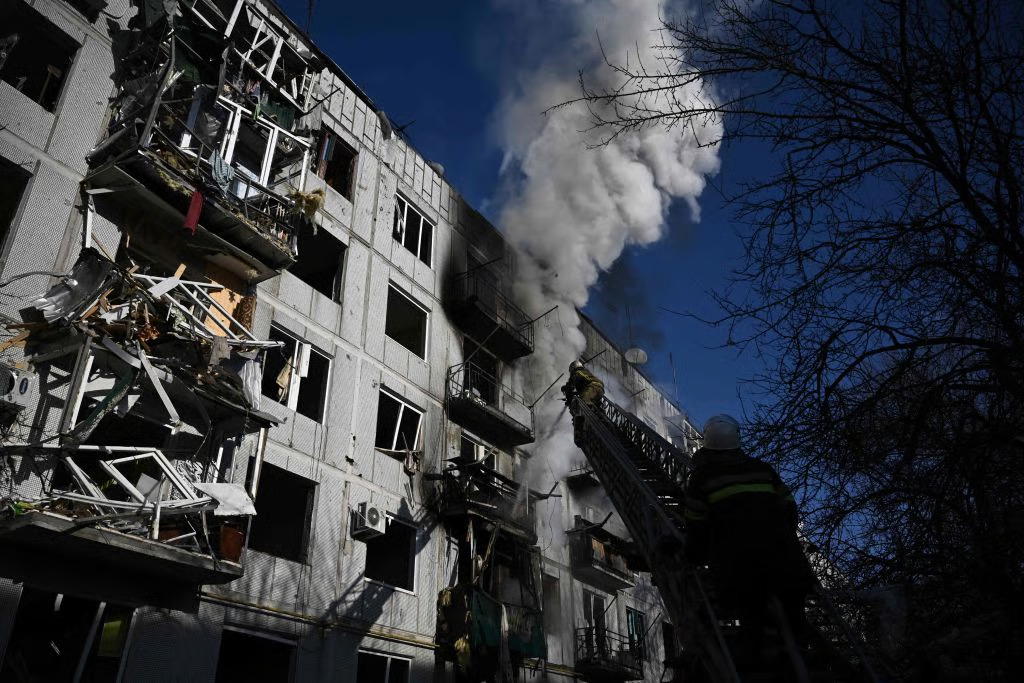
In today's global landscape, safety is a pressing concern that affects individuals from all walks of life, including travelers, investors, and residents, as they navigate the complexities of various countries. The issue of safety is further complicated by the fact that while some countries have made significant strides in reducing crime, others are still grappling with deeply ingrained challenges.
nThese challenges include political instability, economic hardship, gang violence, and weak law enforcement systems, all of which contribute to a culture of insecurity. According to the latest Numbeo Crime Index 2026, countries are ranked based on perceived crime levels, with higher scores indicating greater safety concerns.
nThe top three countries on this list are Papua New Guinea, Venezuela, and Haiti, all of which are struggling to cope with violent crime and insecurity. Papua New Guinea, in particular, is plagued by widespread violent crime, especially in urban areas, where gang activity, unemployment, and corruption are rampant.
nVenezuela's struggles with economic collapse and political instability have fueled high levels of armed robbery, kidnapping, and violent crime, making it one of the most unsafe countries globally. The country's instability has created a perfect storm of insecurity, with no end in sight.
nHaiti is another country that continues to struggle with extreme gang violence and weak governance, with large parts of the capital controlled by armed groups, leading to frequent kidnappings and lawlessness. This has created a sense of hopelessness among the population.
nAfghanistan is ranked fourth on the list, with decades of conflict, terrorism, and a fragile political system leaving the country with persistent security risks, including bombings, kidnappings, and organized crime. The country's history of violence has made it a challenging place to live.
nSouth Africa, despite being one of Africa's largest economies, battles high rates of violent crime, including homicide, armed robbery, and carjacking, especially in major cities. The country's economic prosperity has not translated to safety for its citizens.
nHonduras has long struggled with gang violence and drug trafficking, with organized crime networks contributing to high homicide rates and general insecurity. The country's efforts to combat these issues have been unsuccessful so far.
nTrinidad and Tobago, a Caribbean nation, faces rising violent crime, driven largely by gang conflicts and illegal arms trafficking. The country's beautiful landscape is marred by the reality of violent crime.
nSyria, a country embroiled in ongoing conflict and political instability, continues to affect safety, with risks ranging from armed violence to displacement-related crime. The country's future looks bleak, with no end to the conflict in sight.
nJamaica records high levels of violent crime, particularly linked to gang activity in urban areas, despite efforts by authorities to improve security. The country's struggles with crime have become a major concern for its citizens.
nFinally, Guyana rounds out the top 10, facing challenges with robbery, drug-related crime, and limited law enforcement capacity in certain regions. The country's struggles with crime are a reminder that safety is a global concern that affects everyone.
Related Stories
 General News
CELEBRATING TWO YEARS OF TRANSFORMATIONAL LEADERSHIP IN THE PRESIDENTIAL AMNESTY PROGRAMME
Tomorrow, 14TH March 2026, as we look forward to the second anniversary, we reflect on the remarkable two years since the Administrator of the Preside
 General News
PRESIDENTIAL AMNESTY PROGRAMME PHASE 3: DISREGARD PURPORTED STATEMENT ON DELAYED ITA PAYMENTS — OFFICE OF NATIONAL CHAIRMAN
The Office of the National Chairman of the Presidential Amnesty Programme Phase 3, General Elaye ThankGod Dollar Slaboh, has called on beneficiaries a
 General News
RE: CLARIFICATION ON MY PERSONAL RELATIONSHIPS
PUBLIC NOTICErnrnRE: CLARIFICATION ON MY PERSONAL RELATIONSHIPSrnrnIt has become necessary to make this public clarification following the increasing