
Global health organization gives green light to inaugural anti-malarial remedy for babies
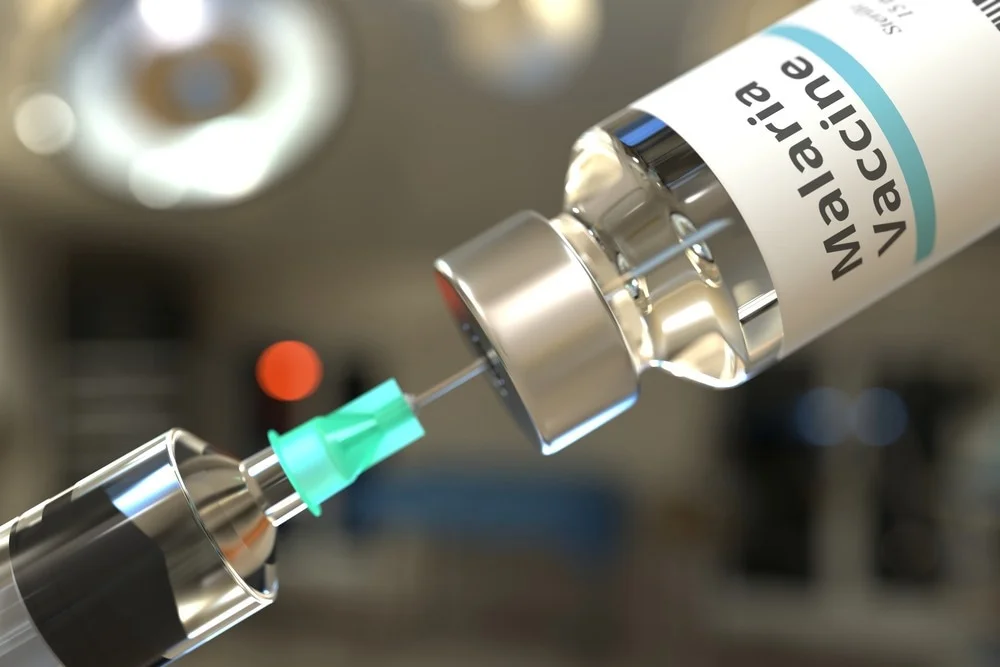
The World Health Organization made a significant announcement on Friday, granting prequalification approval to a malaria treatment specifically designed for newborns and infants, a first in the history of the disease. This approval has been given to Artemether-lumefantrine, an antimalarial formulation tailored for the youngest victims of malaria.
nThe prequalification designation, as stated by the WHO, signifies that the medicine adheres to international standards of quality, safety, and efficacy, a crucial milestone in the fight against the disease.
nHistorically, infants have been treated with formulations intended for older children, which carries a higher risk of dosage errors, side effects, and toxicity, highlighting the need for a specialized treatment.
nWHO chief Tedros Adhanom Ghebreyesus emphasized the devastating impact of malaria, stating that it has been robbing children from their parents and communities of health, wealth, and hope for centuries.
nHowever, Tedros Adhanom Ghebreyesus expressed optimism, saying that with new vaccines, diagnostic tests, next-generation mosquito nets, and effective medicines, including those adapted for the youngest, the tide is turning in the battle against malaria.
nTedros Adhanom Ghebreyesus underscored that ending malaria in our lifetime is now a realistic possibility, but only with sustained political and financial commitment, stressing the urgency of the situation with the phrase "Now we can, Now we must".
nIn 2024, the WHO reported an estimated 282 million malaria cases and 610,000 deaths in 80 countries, with Africa bearing the brunt of the disease, accounting for 95 percent of cases and deaths.
nChildren under five are disproportionately affected, making up three-quarters of malaria-related deaths, a stark reminder of the disease's devastating impact on the most vulnerable populations.
nDespite progress, the WHO notes that challenges such as drug resistance, insecticide resistance, diagnostic failure, and sharp reductions in foreign aid spending continue to hinder efforts to combat malaria.
nThe WHO's prequalification of the malaria treatment is expected to enable public sector procurement and help bridge a long-standing treatment gap for approximately 30 million babies born each year in malaria-endemic areas of Africa.
nGlobally, a significant concern is that 70 percent of countries lack robust regulatory systems to oversee medicines, vaccines, tests, and medical devices, highlighting the need for international standards and oversight.
nThe WHO prequalification programme plays a critical role in ensuring that key health products for international procurement meet global standards of quality, safety, efficacy, and performance, providing a safeguard for vulnerable populations.
Related Stories
 General News
CELEBRATING TWO YEARS OF TRANSFORMATIONAL LEADERSHIP IN THE PRESIDENTIAL AMNESTY PROGRAMME
Tomorrow, 14TH March 2026, as we look forward to the second anniversary, we reflect on the remarkable two years since the Administrator of the Preside
 General News
PRESIDENTIAL AMNESTY PROGRAMME PHASE 3: DISREGARD PURPORTED STATEMENT ON DELAYED ITA PAYMENTS — OFFICE OF NATIONAL CHAIRMAN
The Office of the National Chairman of the Presidential Amnesty Programme Phase 3, General Elaye ThankGod Dollar Slaboh, has called on beneficiaries a
 General News
RE: CLARIFICATION ON MY PERSONAL RELATIONSHIPS
PUBLIC NOTICErnrnRE: CLARIFICATION ON MY PERSONAL RELATIONSHIPSrnrnIt has become necessary to make this public clarification following the increasing