
Glaucoma: 12–14m Nigerians at risk of vision loss — FG
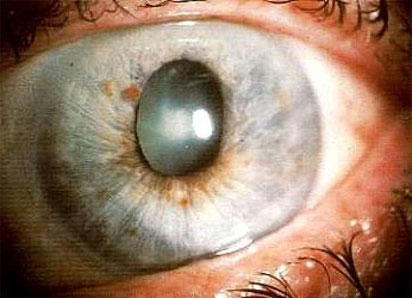
Glaucoa
nBy Joseph Erunke, Abuja
nThe Federal Government has raised concern that between 12 million and 14 million Nigerians are living with glaucoma, a leading cause of irreversible blindness, with most unaware of their condition.
nThe Minister of State for Health and Social Welfare, Dr. Iziaq Adekunle Salako, disclosed this on Wednesday during a press briefing in Abuja to mark 2026 World Glaucoma Week, describing the eye condition as a major public health concern.
nAccording to Salako, studies show that 90–94% of Nigerians with glaucoma remain undiagnosed, highlighting the need for widespread awareness and routine eye examinations.
n“This year’s theme, Uniting for a Glaucoma-Free World, is a call for governments, healthcare providers, communities, and individuals to work together against the silent thief of sight,” he said.
nGlaucoma is a group of eye diseases that damage the optic nerve, often caused by increased pressure in the eye, and can lead to permanent vision loss if not detected and treated early. It accounts for about 16.7% of all blindness in Nigeria. Research indicates that around 5% of Nigerians aged 40 and above are affected.
nTo address the issue, the Federal Government has prioritised eye care services under the National Eye Health Strategic Development Plan (2024–2028). Integrated eye care services are being strengthened across primary, secondary, and tertiary healthcare facilities to improve early detection and management of glaucoma.
nThe ministry has developed Nigeria Glaucoma Guidelines and Toolkits to standardise diagnosis, treatment, and referral protocols nationwide. Ophthalmologists from all 36 states and the FCT have been trained to establish state-level training programmes.
nAdditionally, more than 2,200 primary healthcare workers across 16 states have been trained under the Better Vision 2.0 Effective Spectacle Coverage Initiative Nigeria to conduct basic vision screenings and refer patients to specialised facilities.
nAs part of the week-long campaign, free glaucoma screenings will be conducted in selected health facilities across 11 states and the FCT. The minister urged Nigerians, particularly those over 40, to prioritise regular eye examinations.
n“Early detection through simple, painless tests is crucial. If diagnosed, adherence to medical advice can help prevent progression,” Salako said.
nPermanent Secretary Kachallom Daju described the statistics as concerning, noting that one in 20 Nigerians over 40 may have glaucoma, and most are unaware until significant damage occurs. She reaffirmed the government’s commitment to reducing avoidable blindness.
nGlaucoma specialist Magdalena Ajani warned that the disease often progresses without noticeable symptoms. She advised caution against unsupervised use of steroid-based eye drops and reliance on unverified traditional remedies, which can worsen complications. She also highlighted warning signs such as rainbow-like halos around lights, frequent changes in eyeglasses, and difficulty with peripheral vision.
n nRelated Stories
 General News
CELEBRATING TWO YEARS OF TRANSFORMATIONAL LEADERSHIP IN THE PRESIDENTIAL AMNESTY PROGRAMME
Tomorrow, 14TH March 2026, as we look forward to the second anniversary, we reflect on the remarkable two years since the Administrator of the Preside
 General News
PRESIDENTIAL AMNESTY PROGRAMME PHASE 3: DISREGARD PURPORTED STATEMENT ON DELAYED ITA PAYMENTS — OFFICE OF NATIONAL CHAIRMAN
The Office of the National Chairman of the Presidential Amnesty Programme Phase 3, General Elaye ThankGod Dollar Slaboh, has called on beneficiaries a
 General News
RE: CLARIFICATION ON MY PERSONAL RELATIONSHIPS
PUBLIC NOTICErnrnRE: CLARIFICATION ON MY PERSONAL RELATIONSHIPSrnrnIt has become necessary to make this public clarification following the increasing