
Fuel costs drive food inflation as Lagos traders, shoppers struggle
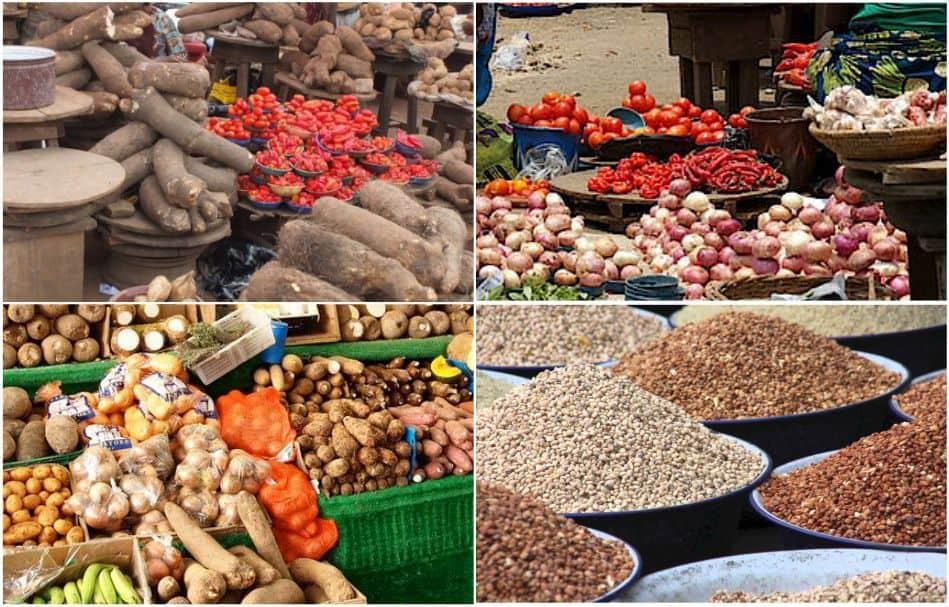
File photo
nAlhaji Abiodun Kosoko has blamed rising fuel prices for surging food costs, warning that transport expenses are squeezing traders and deepening hardship for consumers across Lagos.
nKosoko, Baba Loja General of Agbado Oke-Odo LCDA, spoke during a visit by News Agency of Nigeria (NAN) to Ile Epo Market, describing a sharp disconnect between foot traffic and actual sales.
nHe said although markets still attracted crowds daily, purchasing power had weakened significantly, leaving traders with unsold goods and diminishing returns on their investments.
nKosoko explained that many traders sourced food items from northern and neighbouring states, where production was higher but transportation to Lagos was increasingly expensive.
nAccording to him, distance, fuel costs and multiple levies along supply routes all combine to inflate the final prices paid by consumers in urban markets.
n“People come to buy foodstuffs but leave with less than planned. There are turnouts but no turnover,” Kosoko said.
nHe warned that the trend threatened the sustainability of small-scale traders, many of whom depended on quick sales to avoid losses from perishable goods.
nKosoko urged the Federal Government to intervene through fuel subsidies or targeted transport support to stabilise prices and protect both traders and low-income households.
nHe noted that a bag of rice, previously sold for ₦50,000, now costs between ₦56,000 and ₦58,000, depending on brand and supply conditions.
n“It is affecting us sellers because some goods spoil if unsold. People now buy in smaller quantities unlike before,” he added.
nMr Hammed Adekunle, a meat seller, said customers frequently expressed shock at prices, often accusing traders of profiteering without understanding supply chain realities.
nHe said bargaining had become more intense, with some customers attempting to reduce ₦5,000 worth of meat purchases to as low as ₦1,000.
n“They think I inflate prices, but suppliers keep raising costs beyond my control,” Adekunle said.
nAdekunle added that rising costs of livestock, feed and transportation had left meat sellers with little choice but to adjust prices or risk running at a loss.
nMrs Sola Ogunbade, a teacher, said the persistent rise in food prices had forced her to prioritise essential items while dropping others from her shopping list.
n“Foodstuffs are expensive. I must stick to my budget even if my list isn’t complete,” she said.
nShe noted that even staple foods such as rice, beans and vegetables had become difficult to afford in sufficient quantities for her household.
nMrs Mary Chukwu, a mother of three, said the situation had reduced family meals to basic survival, with little room for nutritional balance or dietary variety.
nShe explained that her focus was now on ensuring her children do not go hungry, even if meals lack protein, fruits or other essential nutrients.
nChukwu appealed to government authorities to consider subsidies on fuel and key food items to ease pressure on struggling families.
nMr Funbi Idowu described the Easter period as the hardest his family had experienced, saying economic realities had forced them to scale down celebrations.
n“We can’t afford a whole chicken. We will celebrate Easter quietly and hope things improve,” he said.
nHe added that what used to be a festive period marked by abundance had now become a time of careful spending and reduced expectations.
n nRelated Stories
 General News
CELEBRATING TWO YEARS OF TRANSFORMATIONAL LEADERSHIP IN THE PRESIDENTIAL AMNESTY PROGRAMME
Tomorrow, 14TH March 2026, as we look forward to the second anniversary, we reflect on the remarkable two years since the Administrator of the Preside
 General News
PRESIDENTIAL AMNESTY PROGRAMME PHASE 3: DISREGARD PURPORTED STATEMENT ON DELAYED ITA PAYMENTS — OFFICE OF NATIONAL CHAIRMAN
The Office of the National Chairman of the Presidential Amnesty Programme Phase 3, General Elaye ThankGod Dollar Slaboh, has called on beneficiaries a
 General News
RE: CLARIFICATION ON MY PERSONAL RELATIONSHIPS
PUBLIC NOTICErnrnRE: CLARIFICATION ON MY PERSONAL RELATIONSHIPSrnrnIt has become necessary to make this public clarification following the increasing