
Fluctuations in the Naira and rising inflation are driving a surge in shipping costs, says Senior Advocate of Nigeria.
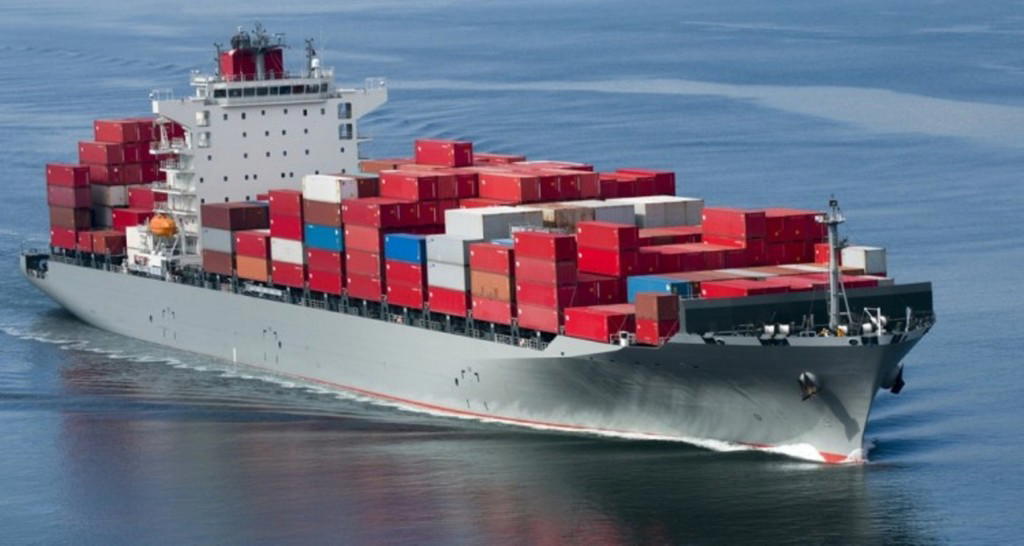
The Shipping Association of Nigeria has pinpointed the persistent inflationary pressures and the volatility of the Naira against the US dollar and other foreign currencies as the key factors driving the increase in shipping charges and related freight costs.
nChairman of the Shipping Association of Nigeria, Boma Alabi, revealed that the tariff adjustment approved by the Nigerian Shippers’ Council followed a two-year review process, with all stakeholders in the shipping value chain duly consulted before the final approval was granted.
nIn a letter dated March 16, 2026, addressed to Dr. Increase Uche, Chairman of the NAGAFF Trade War Advocacy Committee, Alabi stated that the opposition from the National Association of Government Approved Freight Forwarders stemmed from a lack of awareness of the regulatory process and limited understanding of the operational realities of international liner shipping in Nigeria.
nAlabi explained that the Nigerian Shippers’ Council undertook an extensive review process, including detailed cost analysis submissions and a comprehensive regulatory assessment of prevailing economic conditions, before granting approval for the tariff adjustment.
nThe review process, which lasted nearly two years, included multiple rounds of review and regulatory scrutiny, and the approval was not granted arbitrarily or unilaterally implemented by shipping lines.
nAccording to Alabi, the adjustment approved by the Council merely reflects a partial cost recovery measure, particularly in light of the significant increase in operational costs across the maritime sector over the last several years.
nThe approval was not granted across the board to all shipping lines, but rather underwent several rounds of extensive review before a final decision was reached.
nAlabi emphasized that the Tariff Adjustment is modest and already behind inflation, with the adjustment granted by the Nigerian Shippers Council significantly below the cumulative inflation rate recorded in Nigeria over the same period.
nIn practical terms, the adjustment does not represent a real increase in economic terms, but rather a limited adjustment intended to partially offset the impact of rising operational costs, including port charges and terminal costs.
nThe adjustment approved by the Nigerian Shippers’ Council reflects a broader reality within the maritime and logistics sector, where virtually all service providers have reviewed their rates upward over the past few years in response to prevailing economic conditions.
nStakeholders such as truck operators, freight forwarders, clearing agents, terminal operators, and other logistics service providers have all adjusted their service charges during this period, making it unrealistic to expect shipping line agencies alone to maintain static rates.
nThe tariff adjustment approved by the Nigerian Shippers’ Council followed a lengthy and rigorous regulatory process, and represents a balanced regulatory decision intended to ensure sustainability of maritime services while maintaining fairness within the port economic framework.
nGiven that the tariff adjustment was approved by the Nigerian Shippers’ Council in its regulatory capacity, the Council would be in the best position to respond to any concerns regarding the approval, according to Alabi.
Related Stories
 General News
CELEBRATING TWO YEARS OF TRANSFORMATIONAL LEADERSHIP IN THE PRESIDENTIAL AMNESTY PROGRAMME
Tomorrow, 14TH March 2026, as we look forward to the second anniversary, we reflect on the remarkable two years since the Administrator of the Preside
 General News
PRESIDENTIAL AMNESTY PROGRAMME PHASE 3: DISREGARD PURPORTED STATEMENT ON DELAYED ITA PAYMENTS — OFFICE OF NATIONAL CHAIRMAN
The Office of the National Chairman of the Presidential Amnesty Programme Phase 3, General Elaye ThankGod Dollar Slaboh, has called on beneficiaries a
 General News
RE: CLARIFICATION ON MY PERSONAL RELATIONSHIPS
PUBLIC NOTICErnrnRE: CLARIFICATION ON MY PERSONAL RELATIONSHIPSrnrnIt has become necessary to make this public clarification following the increasing