
FG reduces vehicle import levies as dealers await Green Tax details
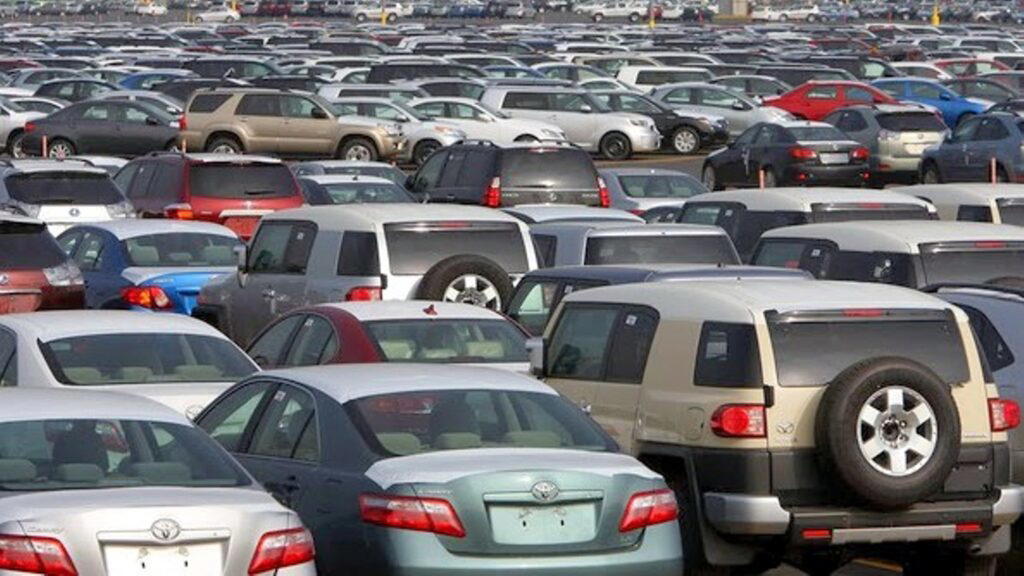
File image.
nBy Efe Onodjae
nThe Federal Government’s reduction in vehicle import levies has officially taken effect, offering hope of lower vehicle prices while prompting auto dealers to seek clarity on the newly introduced Green Tax before assessing the full impact of the policy.
nThe implementation, which commenced under the 2026 Fiscal Policy Measures, reduces the import levy on new vehicles from 20 per cent to 10 per cent, while the levy on used vehicles has been cut from 15 per cent to five per cent. The measure is aimed at easing the cost of imports, stimulating economic activity and providing relief to businesses and consumers.
nAlongside the levy reduction, the government has introduced a Green Tax Surcharge on certain categories of imported vehicles as part of efforts to promote environmental sustainability. However, industry operators say the absence of clear details on the surcharge makes it difficult to determine whether the policy will ultimately translate into lower vehicle prices.
nSpeaking in an interview with Vanguard, President of the National Association of Motor Dealers and Chief Executive Officer of Mitchel Automobile Limited, Prince Ajibola, described the reduction in levies as a positive development but said its benefits would depend largely on the size of the Green Tax.
n“We don’t know what the surcharge is going to be. If they reduce the levy on vehicles and then introduce another surcharge, we need to know how much it is before we can say there will be any considerable change,” he said.
n
Ajibola noted that while reducing the levy on used vehicles from 15 per cent to five per cent represents a significant concession, the gains could be diminished if the Green Tax offsets the reduction.
“If the surcharge is far less than what has been reduced, then it’s a plus. But if it is the same or even higher, then it has not really changed anything,” he explained.
He added that import duties remain one of the biggest contributors to the high cost of vehicles in Nigeria, aside from foreign exchange challenges.
According to him, the policy has the potential to lower vehicle prices, particularly for commercial vehicles where the tariff reduction is more substantial, provided the Green Tax remains minimal.
“The development is a very good one. There’s no doubt about that. But to know exactly how it will affect prices, we need to know what the Green Tax is. If it is very little, then the reduction in levies will still be significant and consumers will feel the impact,” Ajibola said.
Stakeholders say they will continue to monitor the implementation of the new fiscal measures as the Nigeria Customs Service rolls out the revised tariff structure, with expectations that greater clarity on the Green Tax will determine whether the levy reduction delivers meaningful price relief for vehicle buyers.
Related Stories
 General News
CELEBRATING TWO YEARS OF TRANSFORMATIONAL LEADERSHIP IN THE PRESIDENTIAL AMNESTY PROGRAMME
Tomorrow, 14TH March 2026, as we look forward to the second anniversary, we reflect on the remarkable two years since the Administrator of the Preside
 General News
PRESIDENTIAL AMNESTY PROGRAMME PHASE 3: DISREGARD PURPORTED STATEMENT ON DELAYED ITA PAYMENTS — OFFICE OF NATIONAL CHAIRMAN
The Office of the National Chairman of the Presidential Amnesty Programme Phase 3, General Elaye ThankGod Dollar Slaboh, has called on beneficiaries a
 General News
RE: CLARIFICATION ON MY PERSONAL RELATIONSHIPS
PUBLIC NOTICErnrnRE: CLARIFICATION ON MY PERSONAL RELATIONSHIPSrnrnIt has become necessary to make this public clarification following the increasing