
Ensuring Electronic Result Submission is Effective
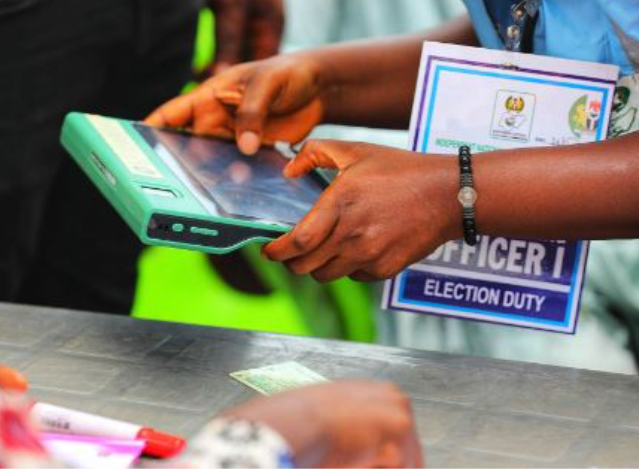
Few reforms promise to restore public confidence in Nigeria’s elections like electronic transmission of results. In a country where ballot snatching, result manipulation, electoral violence and manual collation have too often cast shadows over the people’s will, e-transmission offers speed, transparency and traceability. Yet technology alone cannot guarantee credibility. To make e-transmission truly work, Nigeria must get the fundamentals right — legal clarity, infrastructure, training and trust.
nPrior to the 2023 general elections, the Independent National Electoral Commission, INEC, took bold steps with the introduction of the Bimodal Voter Accreditation System, BVAS, and the INEC Result Viewing Portal, IReV. These innovations were meant to reduce human interference by uploading polling unit results directly to a central server in real time. The promise was simple: once votes are counted at the polling unit, the results are electronically transmitted and publicly viewable, limiting opportunities for tampering during collation.
nHowever, experience has shown that the gap between policy and practice can be wide. Real or man-made technical glitches, network failures, inadequate training of ad hoc staff, and late-night uploads have weakened public confidence. For e-transmission to succeed, Nigeria must first invest in robust digital infrastructure. Reliable internet connectivity in rural and riverine areas is not optional; it is essential. Partnerships with telecom providers should be formalised well before elections, with contingency plans to prevent system overloads on election day.
nAlso, there must be unambiguous legal backing. The Electoral Act should clearly define the status of electronically transmitted results vis-à-vis manually collated ones. Where discrepancies occur, the law must specify which prevails. Ambiguity breeds litigation; clarity builds confidence. Political parties, media and civil society must be part of these reforms to ensure broad consensus. Reforms are too important to be left to politicians alone.
nCyber security must be treated as a component of national security. Election servers should be protected with world-class encryption and subjected to independent stress tests before deployment. Nigeria cannot afford a scenario where doubts about hacking or data manipulation overshadow the credibility of an election. Transparency is key: publishing audit reports and allowing party agents to monitor uploads in real time would demystify the process.
nTraining is another pillar. Ad hoc staff, many of them young graduates, must be thoroughly trained and tested before election day. Mock elections should be conducted nationwide to simulate real-time transmission challenges. A technology is only as effective as the hands that operate it.
nPublic education also matters. Voters must understand how e-transmission works. When citizens can log on and see polling unit results themselves, rumours lose power. Trust grows not from secrecy, but from openness. Citizens must follow the process from start to finish. Apathy offers election riggers a field day, and must be avoided.
nThe recently-passed Electoral Act Amendment Bill may not be perfect, but if properly operated, it can still produce credible results.
n nRelated Stories
 General News
CELEBRATING TWO YEARS OF TRANSFORMATIONAL LEADERSHIP IN THE PRESIDENTIAL AMNESTY PROGRAMME
Tomorrow, 14TH March 2026, as we look forward to the second anniversary, we reflect on the remarkable two years since the Administrator of the Preside
 General News
PRESIDENTIAL AMNESTY PROGRAMME PHASE 3: DISREGARD PURPORTED STATEMENT ON DELAYED ITA PAYMENTS — OFFICE OF NATIONAL CHAIRMAN
The Office of the National Chairman of the Presidential Amnesty Programme Phase 3, General Elaye ThankGod Dollar Slaboh, has called on beneficiaries a
 General News
RE: CLARIFICATION ON MY PERSONAL RELATIONSHIPS
PUBLIC NOTICErnrnRE: CLARIFICATION ON MY PERSONAL RELATIONSHIPSrnrnIt has become necessary to make this public clarification following the increasing