
Embracing Eco-Friendly Progress in Africa: The Role of Tech in Fostering Environmental Conservation and Protecting Biodiversity "Ecosystems of Africa
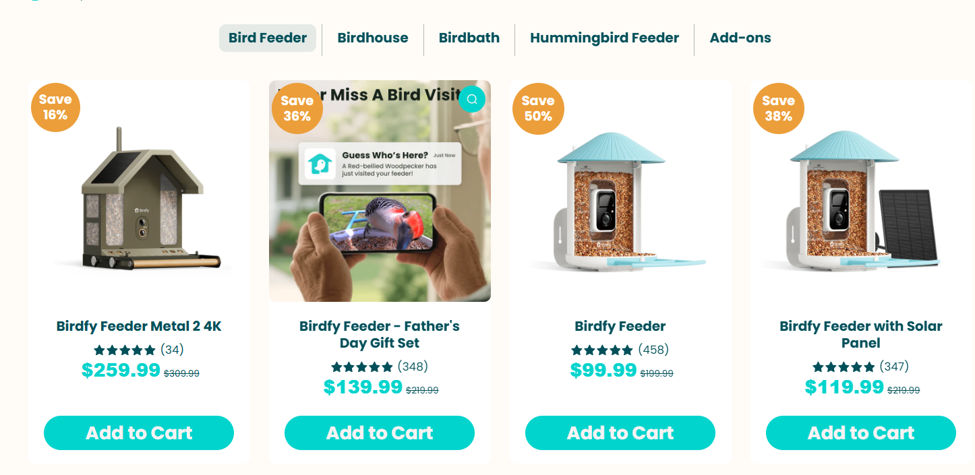
Africa's ecosphere is characterized by its vibrant landscapes, diverse species, and remarkable natural beauty, yet it faces numerous environmental challenges, including deforestation, climate change, and a growing population, which have resulted in the loss of animal species. Fortunately, innovative smart-home devices, such as the Birdfy AI Smart Bird Feeder and the range of modern Birdfy Feeders, can help make life more enjoyable and eco-friendly in these dynamic times.
nThe concept of smart homes is often associated with enhanced comfort, security, and energy efficiency, but at its core, smart technology can also play a significant role in limiting human activities that harm the environment, such as automated lighting that turns off in vacant rooms and intelligent home irrigation systems that conserve precious water.
nSmart technology's eco-benefits also include reducing human disturbance to natural habitats, as new connected and smart technologies enable people to learn about animal life without disrupting their behavior, allowing for a more unobtrusive observation of wildlife through smart cameras and devices linked to the internet.
nThrough remote monitoring systems, people can observe birds, insects, and other local fauna from the comfort of their own homes or neighborhoods, making it an attractive option for urban and suburban dwellers seeking to connect with nature without impacting delicate ecosystems.
nBirds are a vital link in many ecosystems, contributing to seed dispersal, pollination, and pest control, and their presence or absence often serves as a reliable indicator of local environmental health, making it essential to monitor their population sizes and variety to gauge the state of the environment.
nThe Birdfy AI Smart Bird Feeder combines powerful camera hardware and AI to detect and identify visiting bird species in real-time, sending reports to users' smartphones, allowing people to engage in bird watching from the comfort of their own homes without interfering with the birds' habits.
nAI-powered feeders like the Birdfy AI Smart Bird Feeder can turn bird watching into an accessible and ongoing form of personal education about the environment and citizen science, requiring less outdoor time and no interference in bird habits, making it particularly suited for households, schools, and conservation groups in African nations.
nCollecting accurate data on species populations and fluctuations is crucial for conservation efforts, and AI-driven devices, such as the Birdfy Feeders, can help bridge this gap by sending continuous data on bird visit frequency, diversity of visiting species, and changes in behavior related to environmental conditions or human activity.
nThis data can be shared with environmental organizations and conservationists, and as people contribute to community conservation monitoring projects, the combined dataset can provide valuable information for managing the environment on a localized basis, making nature research more accessible to individuals and local neighborhoods.
nSmart home tech can make learning about and connecting with local ecosystems an everyday reality, enabling residents to view and identify bird species visiting their feeders directly through their phones, fostering a deeper appreciation for animal behavior and the importance of conservation, even from a young age.
nSmart technology provides a fascinating supplement to school curricula in environmental science, making conservation tangible and interactive for a new generation of citizens, and empowering them to become active participants in environmental scientific research and monitoring.
nCitizen science relies on passionate, non-expert volunteers to collect valuable data, and smart wildlife observation technologies, such as the Birdfy AI Smart Bird Feeder, make it more accessible than ever, allowing people to contribute to a broader picture of biodiversity in Africa that scientists and conservationists rely on.
nCitizen-captured data contributes to a more comprehensive understanding of wildlife conservation in Africa, informing conservation policy, research, and action more effectively and affordably, and the simple act of watching and identifying species can hold significant weight for the cause of wildlife conservation in Africa.
nAs urbanization accelerates across Africa, smart home technologies can help bridge the divide between cities and natural habitats, reconnecting people to their local environments and identifying species that thrive in urban centers, while alerting them to native inhabitants that need protection in burgeoning metropolises.
nThe challenges of environmental sustainability and conservation in Africa require innovative, participatory, and creative approaches, and smart home devices, such as the Birdfy AI Smart Bird Feeder and other modern Birdfy Feeders, offer practical, efficient, and engaging solutions to reduce energy consumption, enhance biodiversity data collection, and educate the public.
Related Stories
 General News
CELEBRATING TWO YEARS OF TRANSFORMATIONAL LEADERSHIP IN THE PRESIDENTIAL AMNESTY PROGRAMME
Tomorrow, 14TH March 2026, as we look forward to the second anniversary, we reflect on the remarkable two years since the Administrator of the Preside
 General News
PRESIDENTIAL AMNESTY PROGRAMME PHASE 3: DISREGARD PURPORTED STATEMENT ON DELAYED ITA PAYMENTS — OFFICE OF NATIONAL CHAIRMAN
The Office of the National Chairman of the Presidential Amnesty Programme Phase 3, General Elaye ThankGod Dollar Slaboh, has called on beneficiaries a
 General News
RE: CLARIFICATION ON MY PERSONAL RELATIONSHIPS
PUBLIC NOTICErnrnRE: CLARIFICATION ON MY PERSONAL RELATIONSHIPSrnrnIt has become necessary to make this public clarification following the increasing