
Dollar to Naira exchange rate today, April 2, 2026
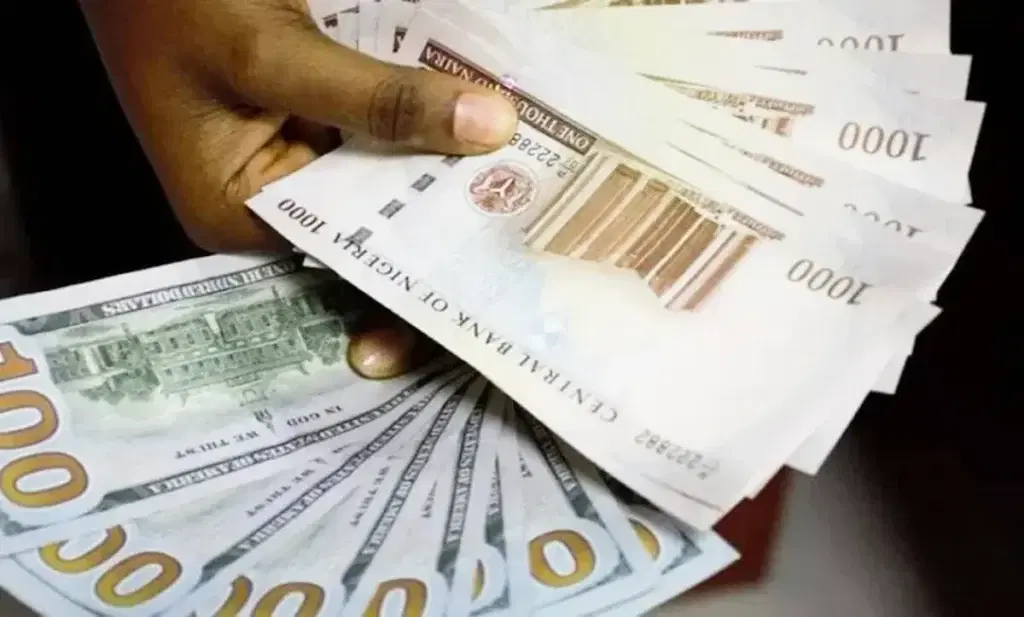
The Nigerian Naira maintained a relatively stable position against the United States Dollar in the early hours of Thursday, April 2, 2026, building on the gains recorded during the first trading day of the new quarter. Market activity across the official and parallel segments reflects a continued trend of narrow spreads and improved liquidity.
nOfficial Market Performance (NFEM)
nAt the Nigerian Foreign Exchange Market (NFEM), the Naira opened the session with marginal fluctuations. Real-time data from the morning hours showed the local currency trading at an average of ₦1,382.45 per Dollar. This follows a strong performance on Wednesday, April 1, where the Naira appreciated by 0.58 percent to close at ₦1,378.70, up from ₦1,386.72 at the end of March.
nThe current stability is largely attributed to the Central Bank of Nigeria’s (CBN) sustained market interventions and the success of recent remittance reforms. These reforms have streamlined the flow of foreign currency from the diaspora into the formal banking system, providing a consistent supply of Dollars to meet corporate and retail demand.
nParallel Market Trends
nThe parallel market, or “black market,” also mirrored this stability. Traders in major hubs such as Lagos, Abuja, and Kano quoted the Dollar at approximately ₦1,410 to ₦1,415 for selling. The local currency had strengthened by ₦5 on the previous day, moving from ₦1,415 to ₦1,410 as speculative pressure continued to wane.
nThe spread between the official and parallel market rates currently stands at approximately ₦32. While this is a slight widening from the ₦29 recorded earlier in the week, it remains well within the target corridor established by the apex bank to achieve a unified exchange rate system.
nEconomic Drivers and Reserves
nThe Naira’s performance today is influenced by several key macroeconomic factors:
nLiquidity Boost: The CBN’s Electronic Foreign Exchange Matching System (EFEMS) continues to enhance price discovery and transparency, encouraging autonomous inflows from exporters and foreign investors.
nExternal Reserves: Despite the Naira’s firming, Nigeria’s external reserves have faced moderate pressure, recently dipping slightly below the $50 billion mark due to ongoing debt servicing and market support operations.
nInflation and Interest Rates: With the Monetary Policy Rate (MPR) currently at 26.5 percent, the hawkish stance of the CBN remains a significant pull factor for foreign portfolio investment, helping to defend the Naira against external shocks.
nOutlook
nAs the market progresses through the first week of the second quarter, analysts expect the Naira to trade within a horizontal band of ₦1,375 to ₦1,395 in the official window. The focus remains on the sustainability of recent liquidity gains, especially as corporate demand for the second quarter begins to ramp up. Investors and businesses are also keeping a close eye on global oil prices, as steady revenue from crude exports continues to provide the primary source of foreign exchange for the Federation.
n nRelated Stories
 General News
CELEBRATING TWO YEARS OF TRANSFORMATIONAL LEADERSHIP IN THE PRESIDENTIAL AMNESTY PROGRAMME
Tomorrow, 14TH March 2026, as we look forward to the second anniversary, we reflect on the remarkable two years since the Administrator of the Preside
 General News
PRESIDENTIAL AMNESTY PROGRAMME PHASE 3: DISREGARD PURPORTED STATEMENT ON DELAYED ITA PAYMENTS — OFFICE OF NATIONAL CHAIRMAN
The Office of the National Chairman of the Presidential Amnesty Programme Phase 3, General Elaye ThankGod Dollar Slaboh, has called on beneficiaries a
 General News
RE: CLARIFICATION ON MY PERSONAL RELATIONSHIPS
PUBLIC NOTICErnrnRE: CLARIFICATION ON MY PERSONAL RELATIONSHIPSrnrnIt has become necessary to make this public clarification following the increasing