
Disregard for education is to blame for stagnant human progress, according to Obi
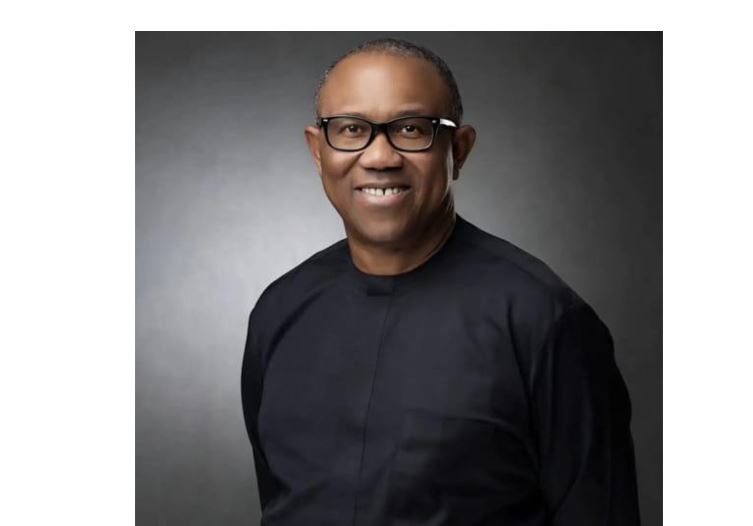
Former Anambra State governor and 2027 presidential aspirant, Mr Peter Obi, has attributed Nigeria's poor human development to the neglect of the education sector, emphasizing the need for urgent reforms and stronger collaboration between government, private sector, and academia to drive national growth and global competitiveness.
nThis call to action was made by Obi while delivering a lecture titled “Repositioning Nigeria’s Education Sector Through Private Partnership for National Growth and Global Competitiveness” at Coal City University, Enugu, where he stressed that the quality of a nation's education system determines its overall development.
nObi noted that Nigeria's future will be shaped more by the strength of its classrooms, laboratories, and research institutions than by its natural resources or political rhetoric, and that the sector faces chronic challenges including underfunding, inadequate infrastructure, outdated curricula, and weak industry linkages.
nHe cited UNESCO's global standards, pointing out that Nigeria allocates less than 7% of its national budget to education, far below the recommended 15-20%, which has contributed to high youth unemployment and underemployment exceeding 30%, as well as a skills gap between graduates and the labour market.
nObi called for broader government support across all tiers of education, questioning the limited scope of interventions by the Tertiary Education Trust Fund (TETFund) and wondering why private universities are not included, asking rhetorically, “Do students in private universities come from another planet?”
nHe argued that a more inclusive support framework would strengthen the entire education ecosystem, referencing data from the United Nations Development Programme (UNDP) which ranks Nigeria 161 out of 193 nations on the Human Development Index (HDI) with a score of 0.548.
nAccording to Obi, this ranking reflects deep structural weaknesses in education, health, and living standards, with Nigeria's life expectancy estimated at 50-55 years, significantly below global averages due to weak healthcare systems and limited access to quality medical services.
nHe drew comparisons with countries like Indonesia and Egypt, which have made progress through sustained investment in education, healthcare, and human capital development, and noted that South Africa, with an HDI of 0.71-0.72, is a leading performer on the continent due to stronger institutions and greater investment in education and health.
nObi highlighted significant disparities in education funding, noting that South Africa's 2026 education budget is approximately $30 billion for a population of 65 million, while Nigeria allocates an estimated $2.5 billion annually for a population of over 200 million, describing this as “funding starvation”.
nThis funding gap, he said, has contributed to low productivity, high unemployment, and the migration of skilled professionals, and noted that Nigeria's literacy rate, estimated between 59% and 69%, is inadequate for a knowledge-driven economy.
nObi emphasized that education, health, and productivity are closely linked, stating that “Nigeria's problem is not a lack of talent, but a failure of alignment, investment, and partnership” and that repositioning the education sector is crucial for sustainable development and global competitiveness.
nHe further stated that weak education systems often translate into poor health awareness, lower life expectancy, and reduced economic output, and argued that government alone cannot fund and modernize the education sector, citing weak academia-industry collaboration as a major constraint.
nObi advocated for public-private partnerships as a critical solution, which can drive infrastructure development, support research, reform curricula, and create employment pathways, and called for increased investment in education and healthcare, curriculum reforms, and expanded research and innovation funding.
nThe vice-chancellor of the university, Prof. Adam Icha Ituma, and the chairman of the occasion, Prof. Chinedu Nebo, described Obi's presentation as timely and thought-provoking, urging stakeholders to act on the issues raised.
Related Stories
 General News
CELEBRATING TWO YEARS OF TRANSFORMATIONAL LEADERSHIP IN THE PRESIDENTIAL AMNESTY PROGRAMME
Tomorrow, 14TH March 2026, as we look forward to the second anniversary, we reflect on the remarkable two years since the Administrator of the Preside
 General News
PRESIDENTIAL AMNESTY PROGRAMME PHASE 3: DISREGARD PURPORTED STATEMENT ON DELAYED ITA PAYMENTS — OFFICE OF NATIONAL CHAIRMAN
The Office of the National Chairman of the Presidential Amnesty Programme Phase 3, General Elaye ThankGod Dollar Slaboh, has called on beneficiaries a
 General News
RE: CLARIFICATION ON MY PERSONAL RELATIONSHIPS
PUBLIC NOTICErnrnRE: CLARIFICATION ON MY PERSONAL RELATIONSHIPSrnrnIt has become necessary to make this public clarification following the increasing