
Designated grazing areas" amount to nothing but land seizure!
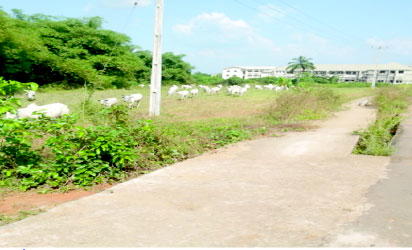
The Federal Government's renewed effort to abolish open grazing and reactivate the 470 gazetted grazing reserves is a concerning revival of a policy that has previously sparked intense debate, failed to garner public trust, and proven difficult to implement.
nThis move is particularly troubling given the government's earlier promises of a new era of hope and inclusivity, now seemingly willing to resurrect a discredited scheme that could exacerbate nationwide tensions.
nThe core issue at hand is not the modernization of livestock production, which is necessary, but rather the consistent assumption that the burden of adjustment should fall on communities that did not invite or consent to it.
nIf the Federal Government is genuine about its intentions regarding the gazetted grazing reserves, it must immediately disclose their locations, ownership status, size, current use, and legal basis.
nState governments, communities, and private landowners have the right to know if any part of their land has been set aside for this purpose and whether lawful consultation and consent were obtained prior to designation.
nThis information is crucial, as it pertains to the fundamental issues of peace, security, and property rights, and is not merely an administrative detail.
nIt is possible that some of the lands in question have already been allocated for housing, farming, schools, public infrastructure, or other development by state authorities and local owners.
nAny attempt to reclaim such land for grazing purposes would likely lead to conflicts between landowners and pastoral interests, exacerbating the existing tensions in many parts of the country.
nLivestock production, like any other business, must operate within the law, and those in the sector should acquire land from willing sellers or lessees and establish ranches.
nThey must also keep their animals off other people's forests, farms, and settlements, as nomadism is not a viable economic strategy in a densely populated country struggling with insecurity.
nFurthermore, open grazing has become a cover for criminals to exploit weak enforcement and engage in illicit activities such as kidnapping and terrorizing vulnerable communities.
nThe government should abandon this idea immediately, as it is viewed by many citizens as one-sided, unfair, and dangerous.
nLivestock farming is not an ethnic occupation, and public policy should never be designed to favor a single group at the expense of national cohesion.
nTo maintain stability, the path forward is clear: ranching by consent, lawfully acquired land, and respect for the patrimonial rights of all indigenous communities.
Related Stories
 General News
CELEBRATING TWO YEARS OF TRANSFORMATIONAL LEADERSHIP IN THE PRESIDENTIAL AMNESTY PROGRAMME
Tomorrow, 14TH March 2026, as we look forward to the second anniversary, we reflect on the remarkable two years since the Administrator of the Preside
 General News
PRESIDENTIAL AMNESTY PROGRAMME PHASE 3: DISREGARD PURPORTED STATEMENT ON DELAYED ITA PAYMENTS — OFFICE OF NATIONAL CHAIRMAN
The Office of the National Chairman of the Presidential Amnesty Programme Phase 3, General Elaye ThankGod Dollar Slaboh, has called on beneficiaries a
 General News
RE: CLARIFICATION ON MY PERSONAL RELATIONSHIPS
PUBLIC NOTICErnrnRE: CLARIFICATION ON MY PERSONAL RELATIONSHIPSrnrnIt has become necessary to make this public clarification following the increasing