
Day 21 of Ramadan: A Quest for the Night of Divine Decree
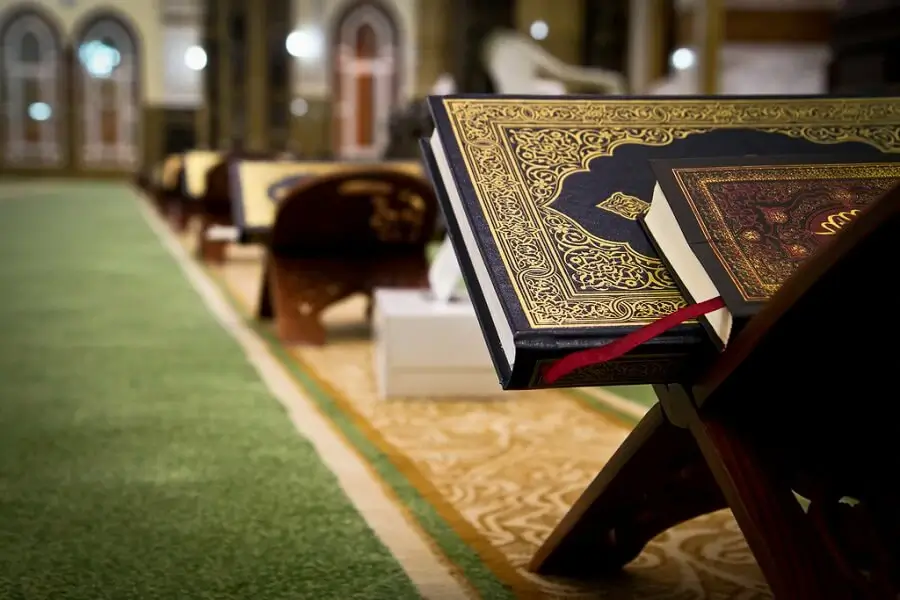
As Ramadan enters its final days, the month's most spiritually intense phase has commenced, with Muslims worldwide seeking the revered Night of Decree, also known as Laylatul Qadr.
nThis sacred night is particularly significant, representing a pinnacle of divine mercy and forgiveness in the Islamic calendar, and offering an extraordinary opportunity for spiritual growth and redemption.
nThe conscious pursuit of Laylatul Qadr is a testament to a believer's ardent desire to foster a deeper connection with Allah and garner immense spiritual rewards, as underscored by Allah's description of the night in the Qur'an: "Indeed, We sent the Qur'an down during the Night of Decree.
nThe Qur'an further elucidates the Night of Decree, stating: "And what will make you know what the Night of Decree is? The Night of Decree is better than a thousand months" (Qur'an 97:1–3), signifying that acts of worship performed during this single night are rewarded more generously than those performed over a period exceeding eighty-three years.
nThis remarkable reward is a manifestation of Allah's boundless generosity towards His servants, providing them with opportunities for spiritual ascension within their mortal lifetime.
nThe Prophet Muhammad (s.a.w) encouraged Muslims to actively seek Laylatul Qadr during the last ten nights of Ramadan, particularly the odd-numbered nights, as evident in his exhortation: "Seek Laylatul Qadr in the last ten nights of Ramadan" (Bukhari & Muslim).
nThe exact date of Laylatul Qadr has been intentionally concealed by divine wisdom, prompting scholars to suggest that this encourages believers to maintain their devotion throughout the final nights, rather than focusing on a single evening.
nBy consistently striving in worship, a Muslim increases the likelihood of experiencing the blessed night of Laylatul Qadr, as demonstrated by the Prophet (s.a.w) himself, who exhibited extraordinary commitment in seeking this night.
nAisha (may Allah be pleased with her) recounted: "When the last ten nights of Ramadan began, the Messenger of Allah tightened his waist belt, spent the night in worship, and awakened his family" (Bukhari & Muslim), illustrating the Prophet's unwavering dedication to these nights.
nThe Prophet (s.a.w) intensified his prayer, remembrance of Allah, recitation of the Qur'an, and supplication during the last ten nights, and also encouraged his family members to participate in the spiritual effort.
nAmong the most recommended supplications during Laylatul Qadr is the prayer taught by the Prophet (s.a.e) to Aisha: "Allahuma inaka afuwun tuhibul-afwa fa’ afwani" or "O Allah, You are Most Forgiving, and You love to pardon, so pardon me" (Tirmidhi).
nThis simple yet profound supplication encapsulates the essence of Laylatul Qadr, which is to seek Allah's forgiveness and mercy, and is a poignant reminder of the night's significance.
nRamadan's focus on seeking Laylatul Qadr serves as a reminder to believers that spiritual success is contingent upon effort and sincerity, and that one must approach these nights with humility, hope, and determination.
nThrough engagement in prayer, Qur'an recitation, charity, and heartfelt supplication, one can unlock the door to immense blessings and spiritual rewards.
nUltimately, the pursuit of Laylatul Qadr is not merely about discovering a specific night, but about revitalizing the heart's connection with Allah, and through sincere devotion during the final nights of Ramadan, a believer may attain forgiveness, spiritual renewal, and rewards that surpass a lifetime of ordinary worship.
nUntil tomorrow, when we shall meet again, Allahuma baligna lailatul Qadr, Amin.
Related Stories
 General News
CELEBRATING TWO YEARS OF TRANSFORMATIONAL LEADERSHIP IN THE PRESIDENTIAL AMNESTY PROGRAMME
Tomorrow, 14TH March 2026, as we look forward to the second anniversary, we reflect on the remarkable two years since the Administrator of the Preside
 General News
PRESIDENTIAL AMNESTY PROGRAMME PHASE 3: DISREGARD PURPORTED STATEMENT ON DELAYED ITA PAYMENTS — OFFICE OF NATIONAL CHAIRMAN
The Office of the National Chairman of the Presidential Amnesty Programme Phase 3, General Elaye ThankGod Dollar Slaboh, has called on beneficiaries a
 General News
RE: CLARIFICATION ON MY PERSONAL RELATIONSHIPS
PUBLIC NOTICErnrnRE: CLARIFICATION ON MY PERSONAL RELATIONSHIPSrnrnIt has become necessary to make this public clarification following the increasing