
Cybercrime Law Abuse: Pressure mounts on IGP Disu
By Luminous Jannamike
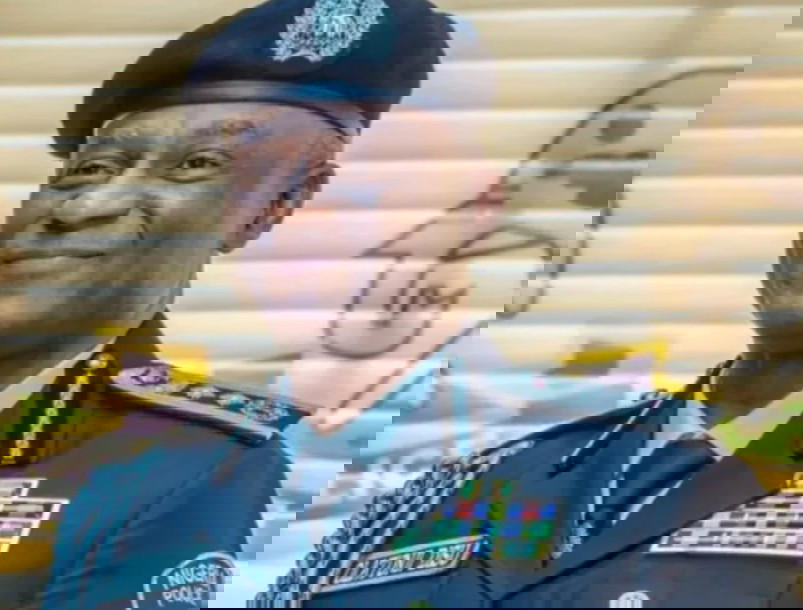
nAmid growing scrutiny of police actions, pressure is mounting on the new Inspector-General of Police, Tunji Disu, to address concerns over the alleged abuse of Nigeria’s Cybercrimes (Prohibition, Prevention, etc.) Act, especially in cases involving young Nigerians.
nA youth rights advocacy group says the change in leadership at the Nigeria Police Force presents an opportunity to tackle longstanding complaints of police harassment, unlawful arrests, profiling, and the use of cybercrime provisions in disputes critics say often resemble civil matters rather than criminal offences.
nThe concerns were raised in a statement by Rafiu Adeniran Lawal, Regional Coordinator of the West African Youth Protection and Advocacy Network (WAYPAN), who congratulated Disu on his appointment while outlining reforms the group believes should shape the new police leadership’s priorities.
n“Of particular concern is the increasing use of cybercrime law (2024) to prosecute young people on behalf of powerful individuals, including politicians, influencers, and wealthy elites.
n“While we condemn the misuse of digital platforms for blackmail, defamation, or fraud, it is important to note that many cases pursued by the police under cybercrime laws often border on civil disputes rather than criminal offences.
n“Even more troubling are the procedural abuses that sometimes occur in the handling of such cases, including violations of suspects’ rights prior to formal prosecution,” Lawal said.
nBeyond cybercrime enforcement, the organisation said that policing peaceful protests is another area that needs urgent reform.
nIt pointed to the alleged assault of rights activists Hassan Taiwo Soweto and Paul Frank during a protest against community demolitions in Lagos State, describing the incident as part of a troubling pattern.
n“Similarly, the excessive use of force in managing peaceful protests underscores the urgent need for comprehensive police reform.
n“The Nigerian Police Force must draw lessons from the #EndSARS protests, which were triggered by public outrage over police misconduct and brutality,” they added.
nThe advocacy group urged the police leadership to review documented cases of alleged rights violations against citizens, particularly young people; strengthen internal accountability mechanisms; retrain officers on human rights standards; establish accessible human rights desks across police formations; and adopt a youth-friendly policing approach.
n nRelated Stories
 General News
CELEBRATING TWO YEARS OF TRANSFORMATIONAL LEADERSHIP IN THE PRESIDENTIAL AMNESTY PROGRAMME
Tomorrow, 14TH March 2026, as we look forward to the second anniversary, we reflect on the remarkable two years since the Administrator of the Preside
 General News
PRESIDENTIAL AMNESTY PROGRAMME PHASE 3: DISREGARD PURPORTED STATEMENT ON DELAYED ITA PAYMENTS — OFFICE OF NATIONAL CHAIRMAN
The Office of the National Chairman of the Presidential Amnesty Programme Phase 3, General Elaye ThankGod Dollar Slaboh, has called on beneficiaries a
 General News
RE: CLARIFICATION ON MY PERSONAL RELATIONSHIPS
PUBLIC NOTICErnrnRE: CLARIFICATION ON MY PERSONAL RELATIONSHIPSrnrnIt has become necessary to make this public clarification following the increasing