
Crude prices surpass $100 a barrel after Iran pledges to maintain Hormuz Strait blockade
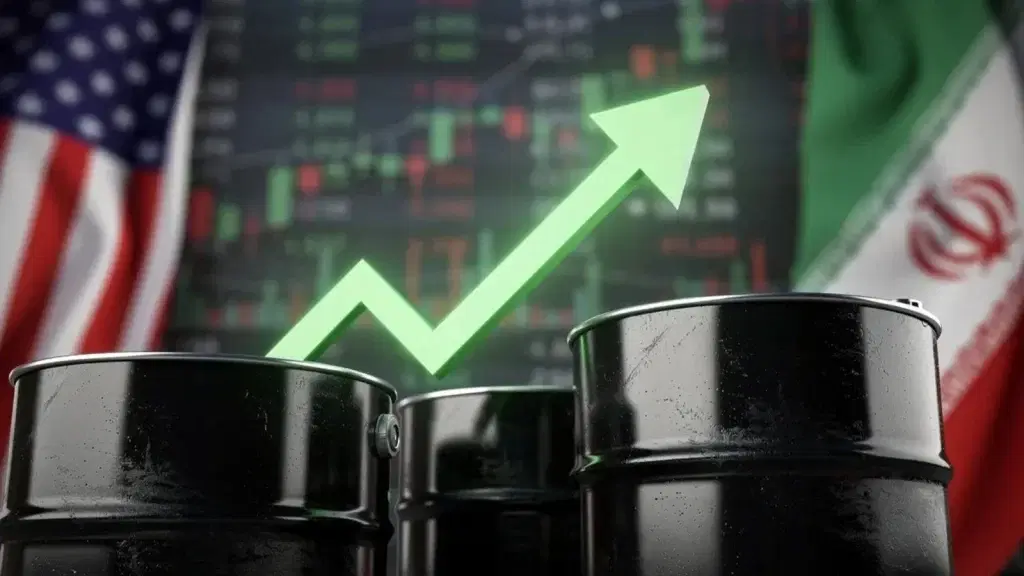
Oil prices have surged past the $100 mark, while stock markets have extended their losses, following Iran's new supreme leader Mojtaba Khamenei's order to keep the Strait of Hormuz closed.
nUS President Donald Trump's statement that stopping Iran's "evil empire" is more important than crude prices has done little to alleviate concerns about a prolonged conflict.
nGlobal markets have been in turmoil since the United States and Israel launched attacks on Iran, with Tehran's retaliatory strikes on shipping and Gulf neighbours nearly cutting off maritime traffic through the Strait of Hormuz.
nThe Strait of Hormuz is a critical waterway, with around a fifth of the world's oil and liquefied natural gas passing through it, and its closure has had a significant impact on global energy supplies.
nAccording to analyst Chris Beauchamp at IG trading and investment platform, "Oil prices are up by double-digit percentages again today, as the realisation sinks in that the US is not about to either end the war or institute some kind of convoy system in the region."
nEnergy Secretary Chris Wright has acknowledged that the US military is currently "not ready" to escort tankers through the critical Strait of Hormuz, further exacerbating the situation.
nBrent North Sea crude, the international benchmark contract, peaked at $101.59 per barrel on Thursday, with prices rising by around 38 percent from the eve of the conflict, which began on February 28.
nThe conflict has had a significant impact on oil prices, with Brent crude up nearly two-thirds from the start of the year, and the current price of $100 per barrel reflecting the ongoing supply disruptions.
nMojtaba Khamenei, Iran's new supreme leader, called on Thursday for the use of "the lever of blocking the Strait of Hormuz", which the country's Revolutionary Guards vowed to carry out, in response to fresh attacks against Gulf energy targets.
nAn attack on two oil tankers off Iraq killed at least one crew member, while a cargo ship caught fire after being hit by shrapnel, further highlighting the escalating tensions in the region.
nOil prices pared their gains after Iran's deputy foreign minister said that Tehran had allowed ships from some countries to cross the Strait of Hormuz, offering a glimmer of hope for a resolution to the crisis.
nThe International Energy Agency has stated that the Mideast war "is creating the largest supply disruption in the history of the global oil market", and its member countries have agreed to unlock 400 million barrels of oil from their reserves, the largest release ever.
nHowever, analyst David Morrison at Trade Nation noted that the announcements of the release of oil from strategic reserves "were supposed to cap prices, then they failed dismally", suggesting that the measures may not be enough to mitigate the impact of the conflict.
nThe rise in energy prices could have far-reaching consequences, with the potential to cause prices to rise throughout the economy, according to Kathleen Brooks, research director at trading group XTB.
n"The longer the oil price remains elevated, the more damaging and long lasting the inflation shock will be for the global economy," Brooks noted, highlighting the potential risks of a prolonged oil price surge.
nWall Street's main stock indices were down more than one percent in early afternoon trading, reflecting the ongoing uncertainty and volatility in the markets.
nEurope's leading equity markets closed lower, as did most Asian markets, as investors continued to grapple with the implications of the conflict and its impact on the global economy.
neToro US investment analyst Bret Kenwell warned that a long conflict would have a profound impact on businesses, saying "If oil doesn’t retreat meaningfully, the pressure won’t just be felt at the pump — it will bleed into margins, spending, and potentially quarters of softer growth."
nThe dollar rose further against major rival currencies, driven by safe-haven demand, fears of inflation, and higher-for-longer interest rate expectations, according to Victoria Scholar, head of investment at Interactive Investor.
nAt around 1630 GMT, key figures showed Brent North Sea Crude up 8.6 percent at $99.88 per barrel, West Texas Intermediate up 9.3 percent at $95.38 per barrel, and the Dow down 1.2 percent at 46,871.01 points.
Related Stories
 General News
CELEBRATING TWO YEARS OF TRANSFORMATIONAL LEADERSHIP IN THE PRESIDENTIAL AMNESTY PROGRAMME
Tomorrow, 14TH March 2026, as we look forward to the second anniversary, we reflect on the remarkable two years since the Administrator of the Preside
 General News
PRESIDENTIAL AMNESTY PROGRAMME PHASE 3: DISREGARD PURPORTED STATEMENT ON DELAYED ITA PAYMENTS — OFFICE OF NATIONAL CHAIRMAN
The Office of the National Chairman of the Presidential Amnesty Programme Phase 3, General Elaye ThankGod Dollar Slaboh, has called on beneficiaries a
 General News
RE: CLARIFICATION ON MY PERSONAL RELATIONSHIPS
PUBLIC NOTICErnrnRE: CLARIFICATION ON MY PERSONAL RELATIONSHIPSrnrnIt has become necessary to make this public clarification following the increasing