
Conflict in the Middle East: The potential impact on Nigeria, India, China, Japan, and Saudi Arabia if the Strait of Hormuz is blocked
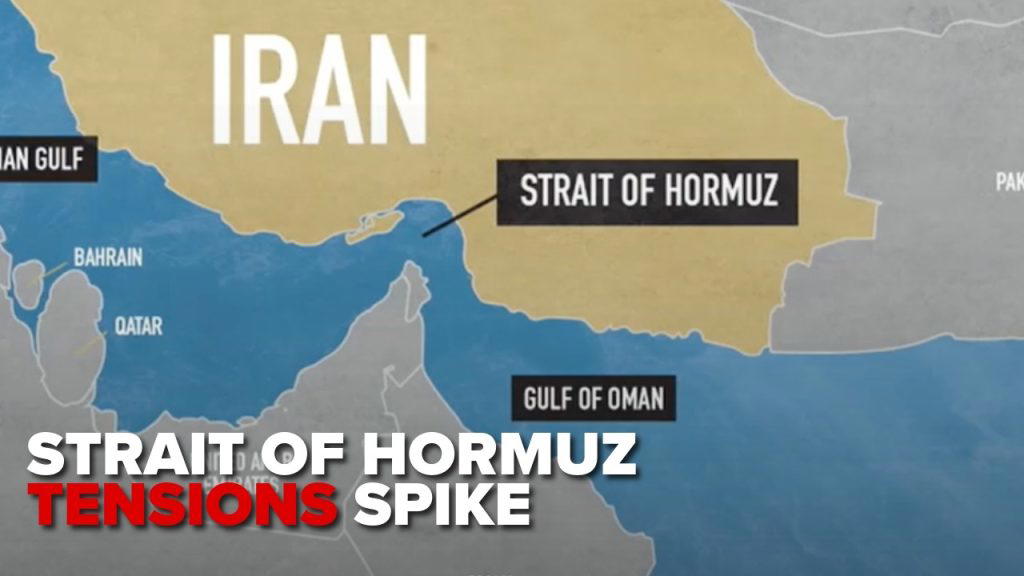
The Strait of Hormuz, a 161-km long sea passage, has become the world's most vulnerable geographic feature in the high-stakes military standoff between the United States of America, Israel, and Iran, with nearly 17 million barrels of oil flowing through it every day.
nThis narrow corridor, strategically located between Iran, Oman, and the UAE, serves as the jugular vein of the global energy market, with 20% of the world's total oil supply passing through it, originating from eight Persian Gulf nations, including Iraq, Kuwait, Bahrain, Qatar, Saudi Arabia, and the UAE.
nA blockade of the Strait would have a devastating impact on several nations, with India being perhaps the most vulnerable, as it imports 85% of its oil, with 60% of that coming through the Strait, which would cause fuel prices to skyrocket and potentially shut down industries and cause massive job losses.
nChina, the world's largest oil importer, would also be severely affected, with 40% of its imports passing through the Strait, and despite having pipelines from Russia and Central Asia, these alternatives meet less than 20% of its energy needs, making a shaken Chinese economy a trigger for a global domino effect.
nJapan is extremely reliant on the Gulf, importing 90% of its oil, with 75% of those shipments transiting the 33km passage, making it highly vulnerable to a blockade, while Saudi Arabia stands to lose 80-90% of its revenue almost instantly.
nThe UAE has invested in the Habshan-Fujairah pipeline, allowing it to bypass the Strait and export 60% of its oil, but losing the remaining 40% would still represent a significant blow to its major economy, and Pakistan, which relies on the Strait for 90% of its oil, might be forced into a deal with Iran.
nA blockade could drive oil prices past $150 per barrel, sparking widespread inflation and a severe global recession, with experts warning of staggering global implications, and in Nigeria, the pump price of fuel was nearing N1000 per litre as of Thursday, while cooking gas jumped to N1450 per kilogramme.
nEurope, which gets about 10% of its oil via the Strait, would also be hit hard by the resulting global price surge, and the Strait of Hormuz holds enough power to destabilize the modern world, turning a regional conflict into a universal economic disaster.
nAs of March 5, 2026, the vital maritime checkpoint has transformed into a “no-go zone,” with over 150 commercial vessels anchored or steering clear of the area, and approximately 20,000 mariners stranded within the Gulf region, unable to navigate past the threat of active kinetic operations.
nThe crisis has left an immediate economic fallout, with oil prices spiking globally, and maritime insurance premiums surging to six-year highs, and many major shipping liners have officially suspended transits through the Strait, opting instead for the lengthy and costly detour around the Cape of Good Hope.
nUS President Donald Trump's promise to escort tankers through the Strait has been met with skepticism, with maritime brokers reporting a distinct lack of technical detail regarding how these operations will be conducted, and the Strait remains in a state of “controlled” risk dominated by Iranian retaliatory capabilities.
nWhile specific US-flagged or allied vessels may attempt the passage under heavy guard, industry experts do not expect a return to “normal” shipping flows in the immediate future, and the world remains on edge as the standoff continues to throttle the primary artery of global energy distribution.
Related Stories
 General News
CELEBRATING TWO YEARS OF TRANSFORMATIONAL LEADERSHIP IN THE PRESIDENTIAL AMNESTY PROGRAMME
Tomorrow, 14TH March 2026, as we look forward to the second anniversary, we reflect on the remarkable two years since the Administrator of the Preside
 General News
PRESIDENTIAL AMNESTY PROGRAMME PHASE 3: DISREGARD PURPORTED STATEMENT ON DELAYED ITA PAYMENTS — OFFICE OF NATIONAL CHAIRMAN
The Office of the National Chairman of the Presidential Amnesty Programme Phase 3, General Elaye ThankGod Dollar Slaboh, has called on beneficiaries a
 General News
RE: CLARIFICATION ON MY PERSONAL RELATIONSHIPS
PUBLIC NOTICErnrnRE: CLARIFICATION ON MY PERSONAL RELATIONSHIPSrnrnIt has become necessary to make this public clarification following the increasing