
Conflict in the Middle East: Employees feel the pinch as petrol costs soar across the country
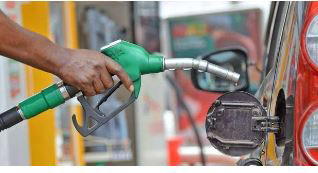
Nigerian workers are reeling under the burden of skyrocketing fuel prices, which have significantly increased transportation and living costs nationwide, a situation exacerbated by the ongoing crisis in the Middle East, according to organised labour.
nThe cost of petrol has soared to between N1,200 and N1,450 per litre in major cities such as Lagos, Port Harcourt, Kano, Kaduna, and Abuja, leaving millions of workers and Nigerians struggling to make ends meet.
nThe exorbitant fuel prices have become a daily struggle for workers, threatening their jobs, livelihoods, and overall well-being, prompting them to call for urgent government intervention to mitigate the situation.
nA civil servant in Lagos lamented that their salary is being depleted before they can even spend it, saying "I now spend over 80 per cent of my salary just to get to work, and after paying for transport and feeding my family, there is almost nothing left.
nA Lagos-based private sector employee also expressed frustration, saying "How are we supposed to save or plan for the future?" as they struggle to cope with the high fuel prices.
nOlowoyo Gbenga, National Secretary of the Joint National Public Service Negotiating Council and General Secretary of the Nigeria Civil Service Union, described the situation as unprecedented, stating that complaints from workers and the public across the country indicate a severe crisis.
nTransportation costs have quadrupled for workers commuting from satellite towns around Abuja, including Mararaba, Suleja, Gwagwalada, Kuje, Kwali, Masaka, Keffi, and Abaji, with similar scenarios reported in Lagos, Edo, Rivers, Kano, and other states.
nWorkers are finding it difficult to cope, and urgent government intervention is needed, as the situation exacerbates poverty, mental health challenges, and economic hardship among Nigerian workers, according to Gbenga.
nCommuting costs have become almost impossible to bear for workers from satellite towns, with many being forced to spend the bulk of their salary on transport alone, leading to a surge in fuel prices that has rippled across the economy.
nSome workers have resorted to cutting down their workdays to two or three days per week, while others have resigned from their jobs due to unaffordable transportation costs, with small and medium enterprises also struggling to stay afloat.
nThe government must act decisively to prevent Nigerians from bearing the full brunt of global crises and local mismanagement, as fuel is a commodity that affects everyone, and the time to act is now, according to Gbenga.
nThe rising cost of fuel has led to higher prices for food, goods, and other essentials, worsening inflation and reducing purchasing power, with mental health concerns growing as anxiety and depression become more common among workers facing daily financial strain.
nWorkers are questioning the link between the US–Israel–Iran conflict and local fuel prices, as well as the role of Dangote Refinery and independent marketers in Nigeria’s oil sector, with many of these questions remaining unanswered and contributing to widespread frustration.
nThe spike in fuel prices followed the sudden removal of the fuel subsidy on the day President Bola Tinubu was sworn in, since then, the petroleum and energy sector has been in turmoil.
nWhile the federal government and its agencies have attempted to justify the subsidy removal, the reality on the ground is that ordinary Nigerians are struggling to cope, with some employers and workers adopting remote work to mitigate commuting challenges.
nThe introduction of compressed natural gas as an alternative fuel offers some relief but remains insufficient to address the broader crisis, and palliatives alone cannot solve this crisis, according to Gbenga.
nFuel affects every class of Nigerians, and the government must implement comprehensive policies that stabilize fuel prices and reduce the cost of essential commodities, with relief not being used as a tool for political patronage, but rather serving the people.
Related Stories
 General News
CELEBRATING TWO YEARS OF TRANSFORMATIONAL LEADERSHIP IN THE PRESIDENTIAL AMNESTY PROGRAMME
Tomorrow, 14TH March 2026, as we look forward to the second anniversary, we reflect on the remarkable two years since the Administrator of the Preside
 General News
PRESIDENTIAL AMNESTY PROGRAMME PHASE 3: DISREGARD PURPORTED STATEMENT ON DELAYED ITA PAYMENTS — OFFICE OF NATIONAL CHAIRMAN
The Office of the National Chairman of the Presidential Amnesty Programme Phase 3, General Elaye ThankGod Dollar Slaboh, has called on beneficiaries a
 General News
RE: CLARIFICATION ON MY PERSONAL RELATIONSHIPS
PUBLIC NOTICErnrnRE: CLARIFICATION ON MY PERSONAL RELATIONSHIPSrnrnIt has become necessary to make this public clarification following the increasing