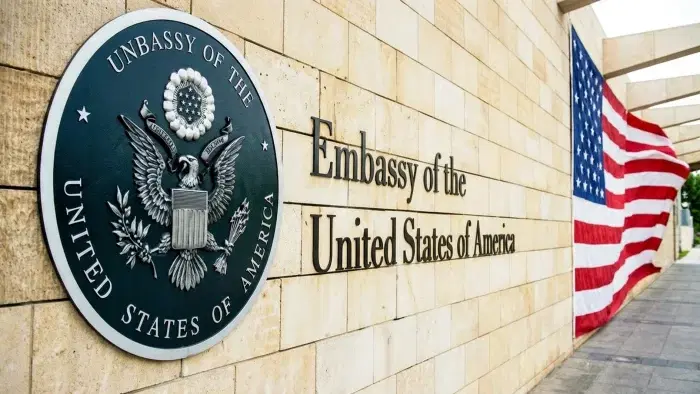
The US Embassy in Nigeria has designated 23 states as high-risk areas, warning its non-emergency staff and their families to steer clear of these regions due to the deteriorating security landscape.
This warning is part of the embassy's latest travel advisory, which was updated on April 8, 2026, and cautions American citizens to think twice before visiting Nigeria, citing ongoing threats from crime, terrorism, kidnapping, and civil unrest.
The overall travel advisory for Nigeria remains at Level 3: Reconsider Travel, with several regions being elevated to Level 4: Do Not Travel, indicating a higher level of risk.
New additions to the Level 4 category include Plateau, Jigawa, Kwara, Niger, and Taraba, which are now considered to be among the most hazardous areas in the country.
According to the US Department of State, non-emergency US government employees and their family members have been authorized to leave the US embassy in Abuja as of April 8, 2026, due to the worsening security situation.
The advisory explicitly warns civilians, stating that travel to Nigeria should be reconsidered due to the prevalence of crime, terrorism, unrest, kidnapping, and inconsistent access to healthcare services, with some areas posing a greater risk than others.
The "Do Not Travel" list includes states such as Borno, Jigawa, Kogi, Kwara, Niger, Plateau, Taraba, Yobe, and Northern Adamawa, where the security situation is deemed unstable and uncertain.
The advisory attributes the risks in these areas to civil unrest, widespread violence between communities, and armed crime, including kidnapping and roadside banditry, with security operations potentially occurring without warning.
Additional states considered high-risk due to unrest and kidnapping are Bauchi, Gombe, Kaduna, Kano, Katsina, Sokoto, and Zamfara.
In the southern regions, states such as Abia, Anambra, Bayelsa, Delta, Enugu, Imo, and Rivers (excluding Port Harcourt) have been flagged for their high crime risks.
The department has cautioned that crime is rampant in Southern Nigeria, with a high risk of kidnapping, violent protests, and armed gangs, posing a significant threat to civilians.
Furthermore, the advisory highlights that violent crimes, including armed robbery, carjacking, and kidnapping for ransom, remain common, with US citizens often being targeted due to their perceived wealth.
Terrorism threats also remain high in public places, such as markets, shopping centers, hotels, and places of worship, according to the advisory.
Additionally, the advisory notes that Nigeria's healthcare services are inconsistent and generally fall below American and European standards, posing an extra risk to travelers.
Despite these warnings, the State Department has advised Americans who still plan to travel to Nigeria to enroll in the Smart Traveler Enrollment Program (STEP) for real-time updates on safety and security conditions.
Travelers have also been urged to exercise extreme caution, avoid large gatherings or demonstrations, and establish personal safety measures, including "proof of life" protocols, to minimize their risk of exposure to harm.



Comments
Please login to leave a comment.
No comments yet. Be the first to share your thoughts!