
Combating the Spread of Small Weapons
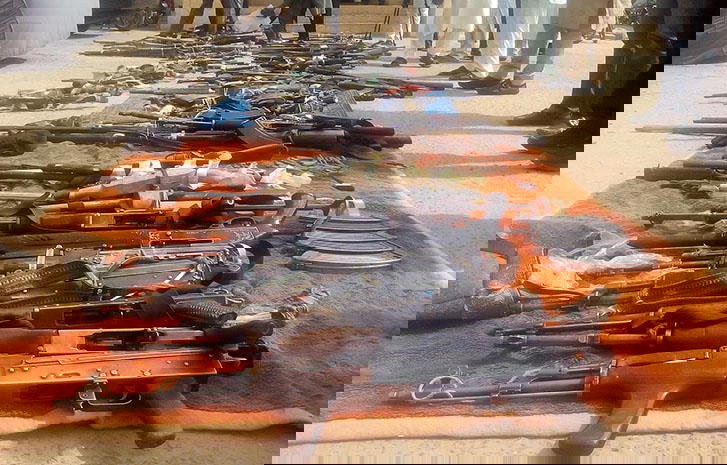
The pervasive presence of small arms and light weapons in Nigeria poses an immediate and debilitating threat, eroding the foundations of security, livelihood, and hope within communities. This menace has become a stark reality, with pistols, assault rifles, and improvised firearms perpetuating a cycle of violence that exacerbates banditry, kidnapping, communal clashes, and organised crime.
nIn regions such as the North West, North East, and North Central, the consequences of this proliferation are particularly pronounced, with farms lying abandoned, markets shrinking, and schools closing due to the fear of gunfire. The once-productive lands now stand as a testament to the destructive power of unchecked violence.
nThe impact of small arms and light weapons is not limited to these regions, as urban centres and southern states have also experienced a surge in cult violence, armed robbery, and kidnappings, often perpetrated by Fulani bandits. This trend underscores the insidious role of illegal arms in fuelling violence across the country.
nThe human toll of this crisis is stark, with lives lost, communities displaced, and a growing trust deficit among citizens. The underlying drivers of this proliferation, including porous borders and illicit trafficking routes from neighbouring conflict zones, remain unresolved.
nDomestic production of crude firearms and corruption also contribute to the steady supply of small arms and light weapons, while weak enforcement and poor inter-agency coordination allow criminals to exploit gaps in intelligence and border control. Technology has enhanced surveillance capabilities, but the lack of investment in systems, training, and accountability hinders its effective use.
nTo combat this menace, policy responses must be comprehensive and enduring, prioritising intelligence-led operations to disrupt trafficking networks and dismantle local manufacturing hubs. Prosecution must also be swift and impartial, as impunity only serves to embolden criminal enterprises.
nInstitutional reform is equally crucial, requiring the eradication of corruption within customs, police, and border services, as well as the strengthening of the National Centre for the Control of Small Arms and Light Weapons (NCCSALW) to lead a coordinated national effort.
nHowever, the use of force alone will not suffice to extinguish the market for arms, as poverty, unemployment, and social exclusion create an environment in which young people are vulnerable to recruitment by violent groups. Addressing these underlying conditions necessitates long-term investment in education, vocational training, and economic opportunities, particularly in rural areas.
nCommunities themselves play a vital role in this effort, with traditional and religious leaders, civil society, and local security committees empowered to mediate conflicts, report illicit activity, and foster norms that reject the use of weapons in dispute resolution.
nRegional cooperation is also essential, as Nigeria must work with its neighbours to stem cross-border arms flows and dismantle transnational criminal networks. The state's obligation is clear: to act decisively, transparently, and in concert with its citizens to address this crisis.
nUltimately, it is only through sustained political will, institutional reform, and social investment that Nigeria can begin to reverse the spread of small arms and light weapons that threatens its future. The imperative for action is clear, and the time for decisive action is now.
Related Stories
 General News
CELEBRATING TWO YEARS OF TRANSFORMATIONAL LEADERSHIP IN THE PRESIDENTIAL AMNESTY PROGRAMME
Tomorrow, 14TH March 2026, as we look forward to the second anniversary, we reflect on the remarkable two years since the Administrator of the Preside
 General News
PRESIDENTIAL AMNESTY PROGRAMME PHASE 3: DISREGARD PURPORTED STATEMENT ON DELAYED ITA PAYMENTS — OFFICE OF NATIONAL CHAIRMAN
The Office of the National Chairman of the Presidential Amnesty Programme Phase 3, General Elaye ThankGod Dollar Slaboh, has called on beneficiaries a
 General News
RE: CLARIFICATION ON MY PERSONAL RELATIONSHIPS
PUBLIC NOTICErnrnRE: CLARIFICATION ON MY PERSONAL RELATIONSHIPSrnrnIt has become necessary to make this public clarification following the increasing