
Canada to admit 230,000 Nigerian, foreign workers in 2026 – How to apply
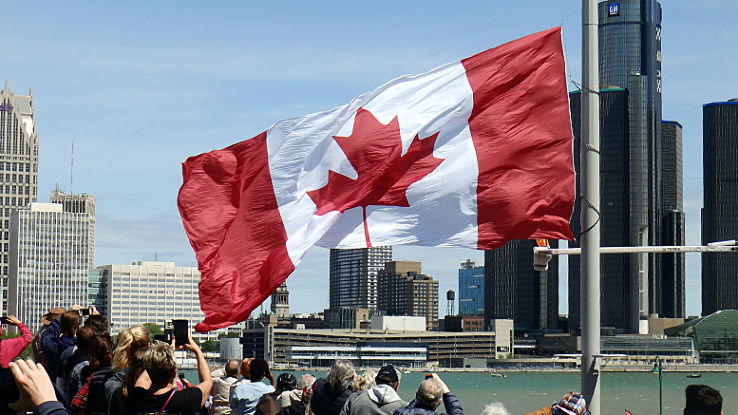
Canada is set to admit about 230,000 foreign workers in 2026, including Nigerians seeking employment opportunities in the country, as the federal government introduces changes that could allow some employers to hire more temporary foreign workers.
nThe figure comprises 60,000 workers through the Temporary Foreign Worker Program (TFWP) and another 170,000 through the International Mobility Program (IMP) under Canada’s 2026 immigration levels plan.
nThe latest change affects employers operating across several small work locations and could create additional opportunities for foreign workers seeking jobs in sectors covered by the TFWP.
nWhat has changed?
nUnder the existing rules, employers generally cannot have more than 10 per cent of their workforce made up of low-wage temporary foreign workers.
nThe limit rises to 20 per cent for employers in certain in-demand sectors, including healthcare, construction and food production.
nHowever, an update published by Employment and Social Development Canada (ESDC) on August 18, 2026, allows employers with fewer than 10 employees at individual work locations to use the number of workers at each location when calculating their workforce cap.
nUnder the revised calculation, eligible employers can hire:
n- n
- One low-wage temporary foreign worker per work location where the 10 per cent cap applies. n
- Up to two workers per location where the 20 per cent cap applies to eligible in-demand sectors. n
Previously, the alternative calculation was generally based on employers having fewer than 10 employees across their entire workforce.
nThe change could therefore benefit businesses that operate several smaller locations and previously had limited access to foreign workers under the low-wage stream.
nWho can apply?
nThe programme is employer-driven, meaning foreign workers cannot simply apply directly for a TFWP work permit without a Canadian employer first taking the necessary steps.
nEmployers seeking to hire through the TFWP must generally obtain a positive or neutral Labour Market Impact Assessment (LMIA) from ESDC.
nThe LMIA is used to demonstrate that the employer has been unable to find a suitable Canadian citizen or permanent resident to fill the position.
nOnce the employer receives the required approval, the foreign worker can proceed with their work permit application.
nHow Nigerians can apply
nNigerians interested in working in Canada through the TFWP should first look for a genuine Canadian employer offering an eligible position.
nThe general process is:
n1. Find an eligible Canadian job
nThe applicant needs a legitimate job offer from a Canadian employer willing to hire foreign workers.
n2. Employer applies for an LMIA
nThe Canadian employer applies to ESDC for an LMIA where one is required. The employer must demonstrate that the position meets the relevant requirements and that there is a need to recruit a foreign worker.
n3. Receive a positive or neutral LMIA
nIf approved, the employer provides the worker with the documents needed for the work permit application.
n4. Apply for a Canadian work permit
nThe foreign worker then applies for a work permit and submits the required documents, including information about the job and employer.
n5. Meet Canada’s admissibility requirements
nApplicants must satisfy Canada’s immigration requirements, which can include demonstrating that they are qualified for the position and meeting applicable medical, security and other requirements.
n nRelated Stories
 General News
CELEBRATING TWO YEARS OF TRANSFORMATIONAL LEADERSHIP IN THE PRESIDENTIAL AMNESTY PROGRAMME
Tomorrow, 14TH March 2026, as we look forward to the second anniversary, we reflect on the remarkable two years since the Administrator of the Preside
 General News
PRESIDENTIAL AMNESTY PROGRAMME PHASE 3: DISREGARD PURPORTED STATEMENT ON DELAYED ITA PAYMENTS — OFFICE OF NATIONAL CHAIRMAN
The Office of the National Chairman of the Presidential Amnesty Programme Phase 3, General Elaye ThankGod Dollar Slaboh, has called on beneficiaries a
 General News
RE: CLARIFICATION ON MY PERSONAL RELATIONSHIPS
PUBLIC NOTICErnrnRE: CLARIFICATION ON MY PERSONAL RELATIONSHIPSrnrnIt has become necessary to make this public clarification following the increasing