
Canada now allows international students, including those from Nigeria, to hold jobs while on a study visa.
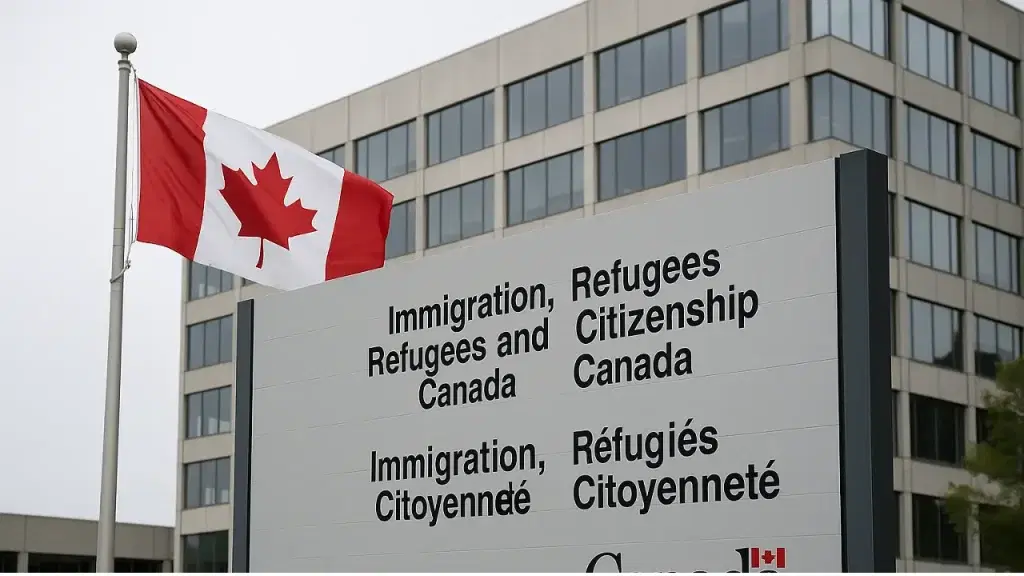
Nigerian and other international students in Canada are no longer required to obtain a separate co-op work permit for internships, co-ops, and practicums, thanks to a new rule that came into effect on April 1, 2026.
nA valid study permit is now sufficient for work placements that are part of a student's course, provided they account for 50% or less of the program, according to Immigration, Refugees and Citizenship Canada (IRCC).
nHowever, secondary school students are still required to obtain a co-op work permit, a requirement that remains unchanged under the new rule.
nStudents who have already applied for a co-op work permit have the option to withdraw their applications, and IRCC may also cancel some of them, as the permit is no longer necessary.
nThe change is the first step in a series of wider immigration reforms being reviewed by the government, which include proposals to allow students and graduates to work while waiting for study permit extensions or Post-Graduation Work Permit (PGWP) decisions.
nAdditional proposals under consideration include removing study permit rules for certain foreign apprentices, with the goal of streamlining the system and reducing paperwork.
nAccording to IRCC, the aim is to simplify the process by eliminating the need for multiple permits for a single study program, and to reduce delays and confusion when students transition between study and work status.
nIf fully approved, the reforms could make it easier for international students to work during and after their studies, and reduce gaps in employment when permits expire.
nHowever, no timeline has been set for the implementation of the remaining changes, which are still under consultation.
nThe government has already introduced other updates to its immigration plan, including fee increases for permanent residence, citizenship, and other services, which are now in effect.
nMeanwhile, Canada is experiencing a decline in the number of international students and foreign workers, with new arrivals dropping sharply in 2026 compared to the previous year.
nThis downward trend is expected to continue, as the federal government plans to further reduce temporary migration levels in the coming years as part of its immigration strategy.
Related Stories
 General News
CELEBRATING TWO YEARS OF TRANSFORMATIONAL LEADERSHIP IN THE PRESIDENTIAL AMNESTY PROGRAMME
Tomorrow, 14TH March 2026, as we look forward to the second anniversary, we reflect on the remarkable two years since the Administrator of the Preside
 General News
PRESIDENTIAL AMNESTY PROGRAMME PHASE 3: DISREGARD PURPORTED STATEMENT ON DELAYED ITA PAYMENTS — OFFICE OF NATIONAL CHAIRMAN
The Office of the National Chairman of the Presidential Amnesty Programme Phase 3, General Elaye ThankGod Dollar Slaboh, has called on beneficiaries a
 General News
RE: CLARIFICATION ON MY PERSONAL RELATIONSHIPS
PUBLIC NOTICErnrnRE: CLARIFICATION ON MY PERSONAL RELATIONSHIPSrnrnIt has become necessary to make this public clarification following the increasing