
Britain plans to prohibit minors under 16 from using social media platforms.
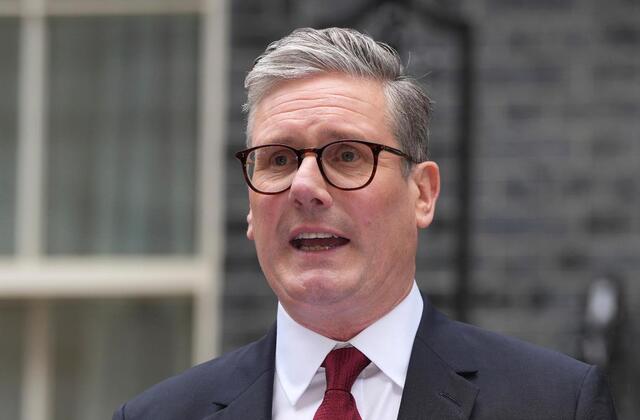
British Prime Minister Keir Starmer has unveiled plans to impose a comprehensive ban on social media access for children under 16, driven by concerns about the impact on their safety and mental wellbeing.
nStarmer expressed his concerns on Monday, stating that social media platforms are having a detrimental effect on children's happiness and exposing them to harmful and addictive content.
nThe proposed ban will apply to major social media platforms, including Snapchat, TikTok, YouTube, Instagram, Facebook, and X, although messaging services like WhatsApp are likely to be exempt from the restriction.
nAccording to the Prime Minister, the government aims to pass the legislation by December and implement the ban by spring next year, as part of a broader effort to regulate online activities.
nThe UK government also intends to take robust action on gaming platforms and live-streaming services, particularly those that facilitate interactions between children and strangers, which is considered a significant concern.
nAdditional measures being considered include overnight usage curfews and restrictions on infinite scrolling features for users under 18, with further details expected to be announced in July.
nStarmer cited international developments, including Australia's decision in December to become the first country to ban social media access for users under 16, as an influence on the UK's proposed move.
nA government-led consultation involving teenagers, which tested social media restrictions and time-limit tools on various apps, also informed the decision to introduce the ban.
nA YouTube spokesperson responded to the proposal by warning that a blanket ban could drive children towards "less safe services", potentially undermining the intended goal of improving online safety.
nStarmer also emphasized the need for stronger safeguards on online gaming and live-streaming platforms to prevent children from interacting with strangers online, drawing an analogy with offline safety norms.
nHe argued that just as children are not allowed to interact freely with unknown adults in physical spaces, similar protections should be in place online to ensure their safety and wellbeing.
nCanada has introduced similar measures, with its culture minister recently presenting legislation aimed at restricting social media access for under-16s and tightening controls on AI chatbot content.
nThe proposed Digital Safety Act positions Canada among a growing number of countries implementing stricter regulations on children's use of social media, including Indonesia, which began enforcing similar restrictions in March, and several European nations exploring comparable policies.
Related Stories
 General News
CELEBRATING TWO YEARS OF TRANSFORMATIONAL LEADERSHIP IN THE PRESIDENTIAL AMNESTY PROGRAMME
Tomorrow, 14TH March 2026, as we look forward to the second anniversary, we reflect on the remarkable two years since the Administrator of the Preside
 General News
PRESIDENTIAL AMNESTY PROGRAMME PHASE 3: DISREGARD PURPORTED STATEMENT ON DELAYED ITA PAYMENTS — OFFICE OF NATIONAL CHAIRMAN
The Office of the National Chairman of the Presidential Amnesty Programme Phase 3, General Elaye ThankGod Dollar Slaboh, has called on beneficiaries a
 General News
RE: CLARIFICATION ON MY PERSONAL RELATIONSHIPS
PUBLIC NOTICErnrnRE: CLARIFICATION ON MY PERSONAL RELATIONSHIPSrnrnIt has become necessary to make this public clarification following the increasing