
Breakdown: Understanding the Court's Decision Allowing Jonathan to Run in the 2027 Presidential Election
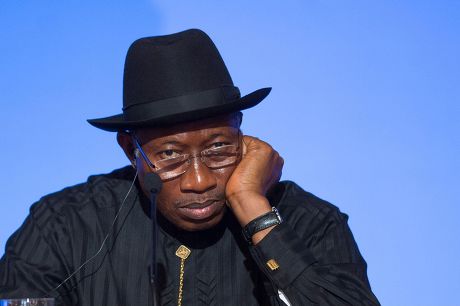
A Federal High Court in Abuja, on Tuesday, delivered a verdict that clears the way for former President Goodluck Jonathan to participate in the 2027 presidential election, thereby rekindling debates about tenure limits and succession in Nigeria.
nThe ruling, handed down by Justice Peter Lifu, established that there are no legal obstacles preventing Jonathan from seeking the presidency again, citing that the issue had previously been substantially resolved by the Court of Appeal.
nThe court also dismissed a suit filed by Abuja-based lawyer Jideobi Johnmary, describing it as frivolous and an abuse of the court process, which had questioned Jonathan's eligibility to contest the presidency due to his previous oaths of office.
nJonathan initially took office in 2010, following the death of President Umaru Musa Yar’Adua, and subsequently won the 2011 presidential election, prompting the plaintiff to argue that a potential win in 2027 would exceed the eight-year limit for a Nigerian president.
nThe plaintiff relied on Section 137(3) of the 1999 Constitution as amended, seeking to prevent Jonathan from contesting future presidential elections and to stop the Independent National Electoral Commission from recognizing his candidacy.
nHowever, Justice Lifu ruled that the plaintiff lacked the necessary legal standing to initiate the suit, emphasizing that the issue had already been settled by the Court of Appeal.
nThe court's decision effectively confirmed that there is currently no constitutional barrier preventing Jonathan from contesting the 2027 presidential election if he chooses to run.
nThe debate surrounding Jonathan's eligibility has been ongoing due to the circumstances under which he first became president, completing Yar’Adua's tenure after the latter's death in office in May 2010.
nJonathan went on to win the 2011 presidential election, and the controversy intensified with the introduction of Section 137(3) into the Constitution through the Fourth Alteration Act in 2018.
nThis provision states that any person sworn in to complete the tenure of another president cannot be elected into the office more than once, sparking arguments over whether the amendment disqualified Jonathan from seeking another term.
nIn 2022, a Federal High Court in Yenagoa ruled that Jonathan remained eligible to contest, holding that applying the amendment against him would amount to enforcing a law retroactively.
nThe Court of Appeal later upheld this decision, a position referenced by Justice Lifu in Tuesday's judgment, which is expected to further fuel conversations about a possible return to active presidential politics for Jonathan.
Related Stories
 General News
CELEBRATING TWO YEARS OF TRANSFORMATIONAL LEADERSHIP IN THE PRESIDENTIAL AMNESTY PROGRAMME
Tomorrow, 14TH March 2026, as we look forward to the second anniversary, we reflect on the remarkable two years since the Administrator of the Preside
 General News
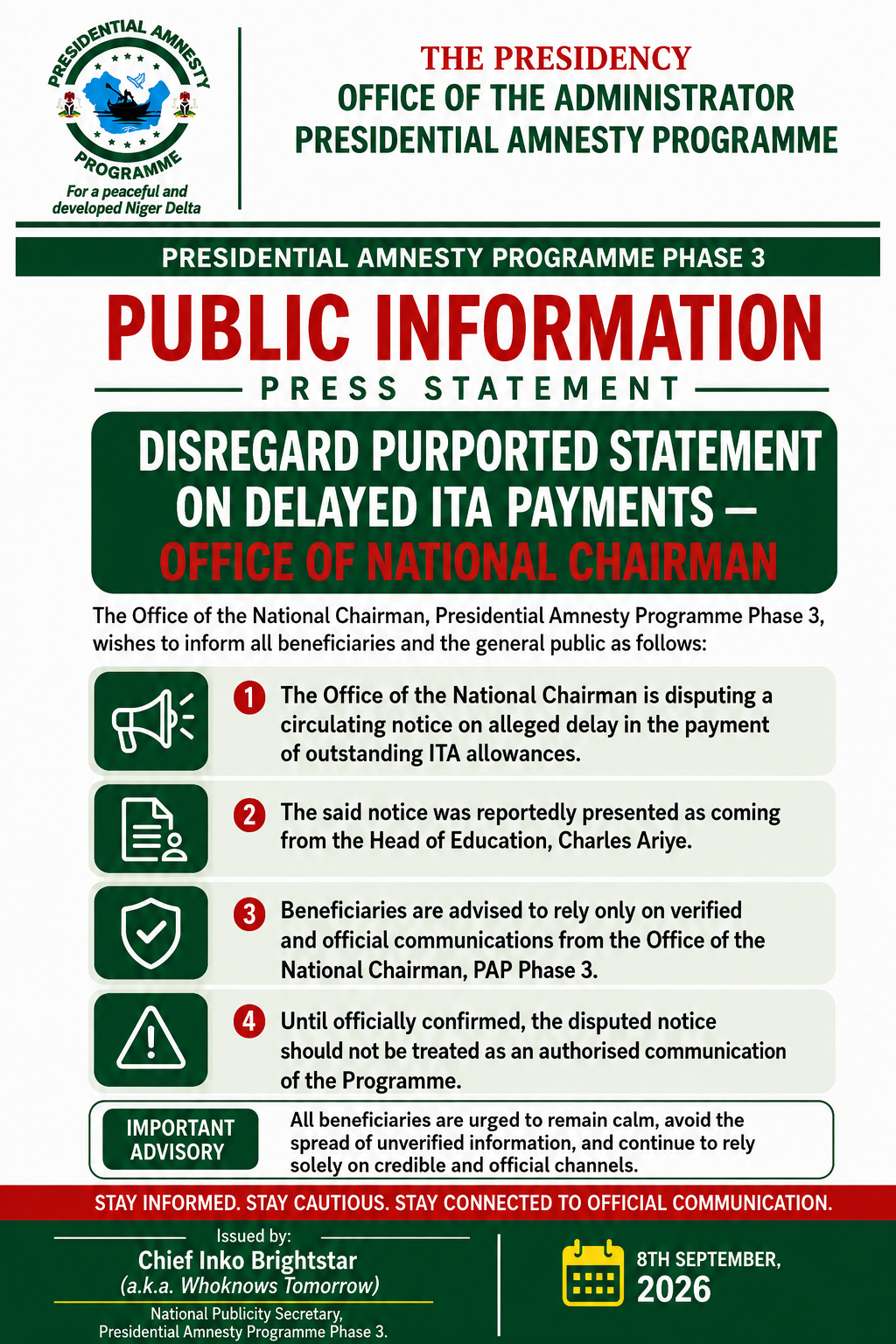
PRESIDENTIAL AMNESTY PROGRAMME PHASE 3: DISREGARD PURPORTED STATEMENT ON DELAYED ITA PAYMENTS — OFFICE OF NATIONAL CHAIRMAN
The Office of the National Chairman of the Presidential Amnesty Programme Phase 3, General Elaye ThankGod Dollar Slaboh, has called on beneficiaries a
 General News
RE: CLARIFICATION ON MY PERSONAL RELATIONSHIPS
PUBLIC NOTICErnrnRE: CLARIFICATION ON MY PERSONAL RELATIONSHIPSrnrnIt has become necessary to make this public clarification following the increasing