
Blood shortage threatens blast victims as troops warn of fresh attacks in North-East
By Ndahi Marama, Maiduguri
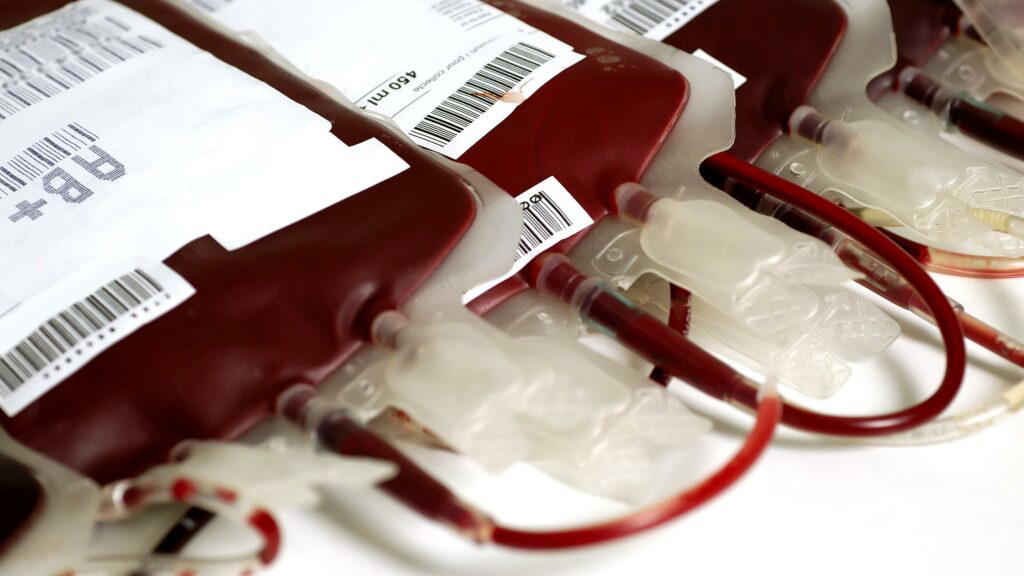
nA critical shortage of blood donors, particularly for A blood group, is threatening the survival of victims injured in the recent triple suicide bomb blasts in Maiduguri, residents and health workers have said.
nSeveral of the injured are currently receiving treatment at the University of Maiduguri Teaching Hospital and other medical facilities across the metropolis, with some reported to be in critical condition and in urgent need of blood transfusion.
nA health worker, who spoke on condition of anonymity, appealed to the public to urgently donate blood to save lives.
n
“Please, if you or anyone you know has A blood group and can donate, kindly reach out immediately. Your support can save a life,” the source said.
Relatives of victims, including Mallam Usman Mohammed and Babagana Yusuf, also called on residents—especially eligible donors—to visit hospitals and treatment centres to assist in the ongoing emergency response.
nFindings indicate that the ongoing Ramadan fast has contributed to the shortage, as many potential donors are unable to give blood during fasting hours.
nMeanwhile, the Borno State Police Command confirmed that at least 23 persons were killed and 108 others injured in the coordinated explosions. However, some sources suggested that the casualty figure could be higher.
nIn a related development, the Joint Task Force North East Operation HADIN KAI has warned of an increased threat of further suicide attacks across the North-East during the final days of Ramadan.
nIn a statement issued by its spokesman, Lt. Col. Sani Uba, the task force said recent incidents in Maiduguri—including attacks around Monday Market, the Post Office area, and the entrance of UMTH—underscore the persistent intent of terrorist groups such as Boko Haram and ISWAP to target densely populated civilian locations.
nThe military noted that such groups often intensify attacks during significant religious periods, particularly towards the end of Ramadan, when there is increased movement in mosques, markets, motor parks, and other public places.
nResidents were therefore urged to remain vigilant and security-conscious, especially in crowded areas. The task force advised the public to report suspicious persons, unattended items, or unusual movements to security agencies promptly.
nIt also called on worshippers attending night prayers, including Taraweeh and Tahajjud, to cooperate with security personnel and adhere to safety measures, while parents were urged to monitor the movement of their children.
nCommunity leaders, religious authorities, market associations, and transport unions were equally encouraged to support security efforts through public sensitisation and timely reporting of suspicious activities.
nThe military assured that security agencies have heightened surveillance, patrols, and protective measures across critical locations in the region to prevent further attacks and ensure peaceful observance of the remaining Ramadan period and forthcoming Eid celebrations.
n“Public cooperation remains a critical component of counter-terrorism efforts. If you see something, say something. Security is everyone’s responsibility,” the statement added.
n nRelated Stories
 General News
CELEBRATING TWO YEARS OF TRANSFORMATIONAL LEADERSHIP IN THE PRESIDENTIAL AMNESTY PROGRAMME
Tomorrow, 14TH March 2026, as we look forward to the second anniversary, we reflect on the remarkable two years since the Administrator of the Preside
 General News
PRESIDENTIAL AMNESTY PROGRAMME PHASE 3: DISREGARD PURPORTED STATEMENT ON DELAYED ITA PAYMENTS — OFFICE OF NATIONAL CHAIRMAN
The Office of the National Chairman of the Presidential Amnesty Programme Phase 3, General Elaye ThankGod Dollar Slaboh, has called on beneficiaries a
 General News
RE: CLARIFICATION ON MY PERSONAL RELATIONSHIPS
PUBLIC NOTICErnrnRE: CLARIFICATION ON MY PERSONAL RELATIONSHIPSrnrnIt has become necessary to make this public clarification following the increasing