
Avuru Unveils Strategy to Foster a Thriving Economy in Delta State
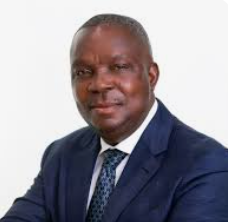
…Advocates maritime reforms, industrial parks, commercial agriculture
nBy Babajide Komolafe, Economy Editor & Egufe Yafugborhi
nASABA—Founding Chairman, Seplat Energy and Chairman of the Delta State Economic and Investment Summit, Mr. Austin Avuru, has outlined a roadmap for building a competitive Delta economy, urging the state government to prioritise maritime reforms, industrial parks and commercial agriculture to attract massive private sector investment and maximise the benefits of ongoing infrastructure development.
nSpeaking at the summit, Avuru said: “Going forward, Delta State must intentionally and consciously move beyond the old dependence on traditional economic models. We must deliberately build a strong and sustainable economy based on the unique areas where we enjoy a competitive advantage.”
nHe added: “Our goal is to create an environment that supports massive and sustained private sector investment through deliberate, well-thought-out policies that truly improve the ease of doing business.”
nOn the state’s maritime potential, he said: “Delta State is uniquely blessed with four seaports—Warri, Sapele, Koko and Burutu—as well as two interconnected airports. The expressway linking Warri, Uromi, Kwale and Asaba connects not only the two airports but also our ports to key markets. This strategic infrastructure positions Delta State as a major logistics and commercial hub.”
nAccording to him, “To unlock the full potential of our maritime assets, we must dredge the waterways leading to Warri and Burutu ports to accommodate larger vessels. Cargo traffic through our four ports would multiply several times over, creating jobs, stimulating commerce and expanding economic activity across the state. Equally important is the continuous maintenance of the road infrastructure connecting these strategic assets.”
nHighlighting agriculture as another growth driver, Avuru said: “The state government should establish strategic land banks in suitable interior locations. If the government acquires, develops and makes available about 30,000 hectares of land, it becomes much easier for local and international investors to lease parcels for commercial agriculture. Delta State can become a leading producer of oil palm for domestic consumption and export, while the same land banks can support large-scale cassava cultivation for food and industrial processing, including ethanol production.”
nOn industrialisation, he said: “We already have an industrial park in Kwale where gas infrastructure has been extended. With reliable gas supply and stable electricity, manufacturers will find the environment attractive for investment. We also have another industrial park in Koko which, being a seaport, is ideally suited for agro-processing and export-oriented manufacturing.”
nLooking ahead, Avuru said: “The first term focused on providing critical infrastructure. The second term must concentrate on maximising the economic benefits of those investments. Security must also remain a priority through a technology-driven architecture that protects lives while facilitating commerce and the free movement of people.”
n nRelated Stories
 General News
CELEBRATING TWO YEARS OF TRANSFORMATIONAL LEADERSHIP IN THE PRESIDENTIAL AMNESTY PROGRAMME
Tomorrow, 14TH March 2026, as we look forward to the second anniversary, we reflect on the remarkable two years since the Administrator of the Preside
 General News
PRESIDENTIAL AMNESTY PROGRAMME PHASE 3: DISREGARD PURPORTED STATEMENT ON DELAYED ITA PAYMENTS — OFFICE OF NATIONAL CHAIRMAN
The Office of the National Chairman of the Presidential Amnesty Programme Phase 3, General Elaye ThankGod Dollar Slaboh, has called on beneficiaries a
 General News
RE: CLARIFICATION ON MY PERSONAL RELATIONSHIPS
PUBLIC NOTICErnrnRE: CLARIFICATION ON MY PERSONAL RELATIONSHIPSrnrnIt has become necessary to make this public clarification following the increasing