
ANSACA raises alarm over rising HIV/AIDS cases in Anambra
By Nwabueze Okonkwo
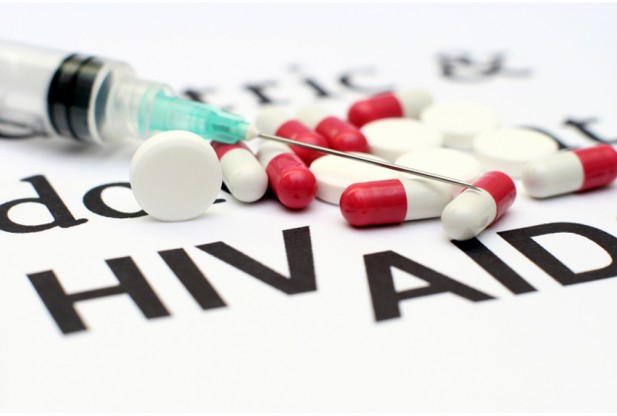
nONITSHA – The Anambra State AIDS Control Agency, ANSACA has raised an alarm over the rising spate of HIV/AIDS scourge in the state.
nANSACA, however, expressed optimism that the rising spate of the scourge has not claimed lives as envisaged due to the timely interventions of the Agency through its newly launched telehealth platforms.
nExecutive Director and Project Manager of ANSACA, Dr. Nkem Okeke disclosed this in Awka, while launching a telehealth platform to expand confidential access to HIV prevention, testing, treatment and care, particularly for people facing stigma, distance and gaps in follow-up care.
nHe explained that more than 2,500 people had been tested through community, motor-park, workplace and tertiary-institution outreaches since April, with those requiring additional services linked to appropriate care.
nAccording to Okeke, “Testing is not the end. It is the beginning of a pathway to prevention, treatment and sustained care. Healthcare must not be limited by distance.”
nAlso, he unveiled the agency’s maiden newsletter. It links to about 176 primary healthcare centres providing HIV services across the state.
nOkeke further explained that the newsletter offers information, counselling and referrals for Pre-Exposure Prophylaxis (PrEP), Post-Exposure Prophylaxis (PEP), HIV testing, treatment adherence and other care needs.
nOkeke noted that the service would connect community awareness and testing with telehealth support, referral, clinical intervention and retention in care, with callers assessed and directed to appropriate facilities and followed up to confirm access to required services.
nComplements doctors
nHe added that ANSACA had taken the HIV response closer to communities through a 1,693-member Ward HIV/AIDS Brigade across the state’s 326 wards, while strengthening interventions in 27 tertiary institutions.
nAccording to Okeke, the platform would complement rather than replace hospitals, doctors and Anambra’s existing telemedicine system by integrating HIV services into the broader digital health ecosystem.
nIn her keynote address, Professor Ifeoma Njelita noted that the digital innovation should move HIV services beyond a predominantly facility-based model towards a connected, community-centred health system.
n“Telehealth should be a service-delivery strategy, not a technological showcase,” Njelita said, adding that it could support follow-up consultations, adherence counselling, PrEP and PEP counselling, referrals, specialist consultations and psychosocial support.
nNjelita proposed an “Anambra Digital HIV Connect” built around digital HIV information, telehealth and teleconsultation, testing and referral, treatment adherence and retention, and data intelligence. She stressed that privacy, consent, cybersecurity, clinical governance and community participation must remain central, while digital tools should strengthen rather than replace community health workers.
nThe Commissioner for Information and Value Reorientation, Dr Law Mefor, who represented Governor Chukwuma Soludo at the event, commended ANSACA for adopting digital technology to expand access to HIV services, saying the platform would complement the state’s existing telemedicine programme.
nChairman of the Occasion, Sir Izuchukwu Nwabueze, said the telehealth service and newsletter would strengthen communication, documentation and community engagement around HIV interventions while improving access to prevention, testing and care.
nChairman of Idemili North Local Government Area, Chief Stanley Nkwoka in his remarks, advised that since prevention is always better than cure, people should avoid any act capable of leading to contacting the virus.
nAccording to Nkwoka, “don’t contact HIV at all to avoid going for the treatment or management. If you don’t contact it, you will not be talking about it’s cure or management as we’re are talking here today. So, the best option is to avoid anything that can lead to it’s contact”.
nThe programme forms part of Anambra’s 2026–2028 State Strategic Transformation and Sustainability Plan for HIV, which focuses on prevention, treatment, coordination and sustainability, particularly among young people and other priority populations. The event featured the unveiling of the newsletter and goodwill messages from health-sector stakeholders, community leaders and organisations involved in HIV prevention and care.
n nRelated Stories
 General News
CELEBRATING TWO YEARS OF TRANSFORMATIONAL LEADERSHIP IN THE PRESIDENTIAL AMNESTY PROGRAMME
Tomorrow, 14TH March 2026, as we look forward to the second anniversary, we reflect on the remarkable two years since the Administrator of the Preside
 General News
PRESIDENTIAL AMNESTY PROGRAMME PHASE 3: DISREGARD PURPORTED STATEMENT ON DELAYED ITA PAYMENTS — OFFICE OF NATIONAL CHAIRMAN
The Office of the National Chairman of the Presidential Amnesty Programme Phase 3, General Elaye ThankGod Dollar Slaboh, has called on beneficiaries a
 General News
RE: CLARIFICATION ON MY PERSONAL RELATIONSHIPS
PUBLIC NOTICErnrnRE: CLARIFICATION ON MY PERSONAL RELATIONSHIPSrnrnIt has become necessary to make this public clarification following the increasing