
America outlines seven grounds for rejecting a visa request
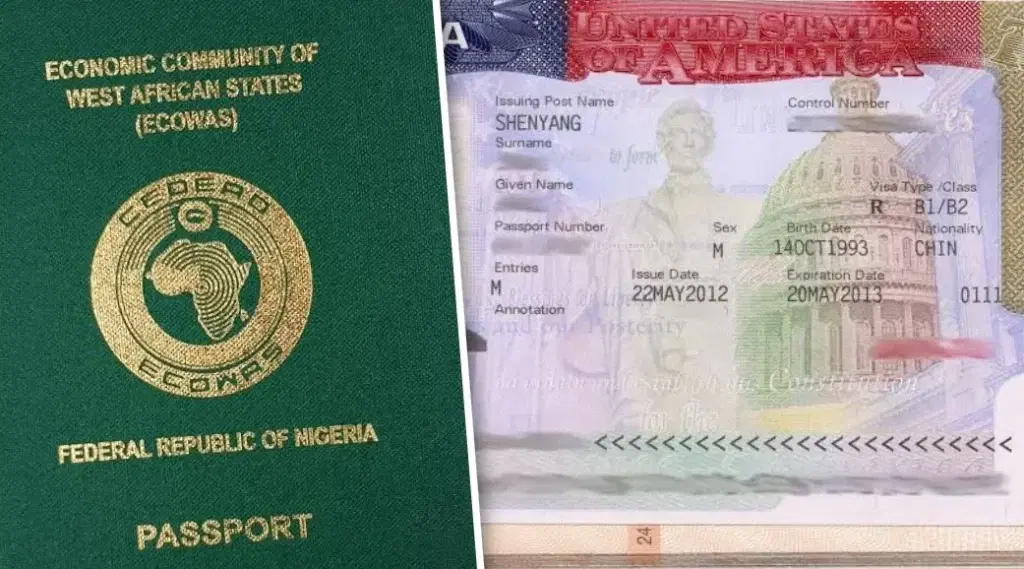
Applying for a United States visa does not guarantee approval, as every application is assessed based on requirements established under U.S. immigration law.
nAccording to the U.S. Department of State, visa applicants are generally required to appear for an interview with a consular officer at a U.S. Embassy or Consulate, where their information and eligibility are reviewed before a decision is made.
nWhile most visa applications are approved, some are denied for various reasons, including incomplete information, failure to meet visa requirements or concerns about an applicant’s background.
nHere are some common reasons a visa application may be rejected:
n1. Insufficient information or documents
nA visa application may be denied if the consular officer does not have enough information to determine whether the applicant qualifies.
nApplicants are expected to provide accurate details and supporting documents required for their specific visa category. Missing, unclear or inconsistent information can affect the outcome of an application.
n2. Failure to qualify for the visa category applied for
nEach U.S. visa category has specific requirements that applicants must meet.
nFor example, an applicant applying for a student visa, work visa or visitor visa must demonstrate that they satisfy the conditions for that particular category. Failure to meet those requirements can lead to a denial.
n3. Inability to prove eligibility
nConsular officers assess whether applicants meet the legal requirements for receiving a visa.
nAn application may be refused if the applicant fails to provide enough evidence to support the purpose of their travel or demonstrate that they qualify under U.S. immigration rules.
n4. Previous criminal activities
nAn applicant’s past or current involvement in certain criminal activities may make them ineligible for a U.S. visa.
nThe U.S. government considers criminal records and other relevant background information when reviewing applications.
n5. Drug-related offences
nDrug-related activities are among the grounds that can make an applicant ineligible for a U.S. visa.
nApplicants with a history connected to illegal drug activities may face refusal under immigration law.
n6. Falling under U.S. immigration ineligibility rules
nThe law outlines several grounds under which a person may be considered ineligible for a visa.
nThese include specific security, legal and immigration-related concerns identified during the review process.
n7. Failure to qualify for a waiver (where applicable)
nIn some cases, applicants who are found ineligible may be informed whether they can apply for a waiver.
nA waiver does not automatically guarantee visa approval, but it may provide an opportunity for certain applicants to seek permission despite the ineligibility.
nThe Department of State advises applicants who receive a visa denial to carefully review the reason provided by the consular officer and understand whether they may be eligible for further action.
nVisa decisions are made individually, and applicants are encouraged to provide complete, truthful and accurate information throughout the application process.
n nRelated Stories
 General News
CELEBRATING TWO YEARS OF TRANSFORMATIONAL LEADERSHIP IN THE PRESIDENTIAL AMNESTY PROGRAMME
Tomorrow, 14TH March 2026, as we look forward to the second anniversary, we reflect on the remarkable two years since the Administrator of the Preside
 General News
PRESIDENTIAL AMNESTY PROGRAMME PHASE 3: DISREGARD PURPORTED STATEMENT ON DELAYED ITA PAYMENTS — OFFICE OF NATIONAL CHAIRMAN
The Office of the National Chairman of the Presidential Amnesty Programme Phase 3, General Elaye ThankGod Dollar Slaboh, has called on beneficiaries a
 General News
RE: CLARIFICATION ON MY PERSONAL RELATIONSHIPS
PUBLIC NOTICErnrnRE: CLARIFICATION ON MY PERSONAL RELATIONSHIPSrnrnIt has become necessary to make this public clarification following the increasing