
America and Iran reach historic accord, pledging lasting ceasefire and cessation of hostilities.
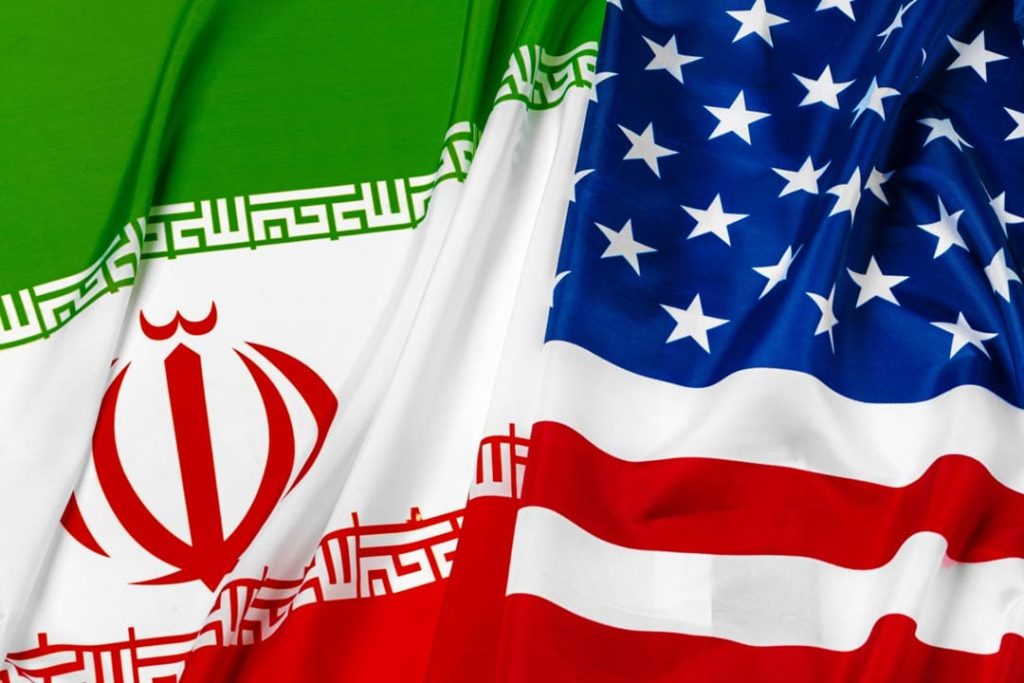
A significant breakthrough has been achieved in the Middle East, with the United States and Iran agreeing to a peace deal, according to Pakistan, the mediator, which announced an "immediate and permanent" end to military operations on all fronts, including Lebanon.
nPakistani Prime Minister Shebhaz Sharif took to X to announce that a peace deal "has been REACHED" and revealed that an official signing ceremony is slated for June 19 in Switzerland.
nUS President Donald Trump promptly confirmed the deal, stating "The Deal with the Islamic Republic of Iran is now complete" as he marked his 80th birthday on Sunday.
nPresident Trump also issued a statement authorizing the "toll free opening of the Strait of Hormuz" and the "immediate removal of the United States Naval blockade," declaring "Ships of the World, start your engines, Let the oil flow!"
nIran, however, did not immediately confirm the agreement, having only hours earlier threatened to retaliate against a strike by Israel against Iranian ally Hezbollah in the suburbs of Beirut, which had jeopardized the prospects of a deal.
nEarlier on Sunday, Iran had declined to provide a clear timeline for reaching a peace deal, but later in the day, Pakistan's Sharif announced that an agreement had been struck, thanking the US and Iran "for finding a diplomatic solution to the conflict."
nSharif also stated that "Both sides have declared the immediate and permanent termination of military operations on all fronts, including in Lebanon," and expressed gratitude to the leaders of Qatar, Saudi Arabia, and Turkey for their support in the mediation effort.
nSunday had been a tumultuous day, with Trump earlier angrily blaming Israel for delaying the signing with the airstrike on Beirut, which he claimed had delayed the agreement.
nThe last time Israel had hit the Beirut suburbs, it had sparked a significant jolt to a ceasefire that had largely held since April, prompting Iran to fire off a retaliatory missile barrage and Israel to respond with strikes.
nTehran had long insisted that any agreement to halt the war must include the parallel conflict in Lebanon, where Israel has been pursuing a campaign against Iran-backed Hezbollah.
nThe war had begun in late February, with US-Israeli strikes on Iran, which had retaliated with attacks on Israel and US allies in the region, and by virtually blocking ship traffic in the Strait of Hormuz, a vital route for global oil and natural gas supplies.
nThe US had responded by blockading ship traffic to Iranian ports, further escalating the conflict.
Related Stories
 General News
CELEBRATING TWO YEARS OF TRANSFORMATIONAL LEADERSHIP IN THE PRESIDENTIAL AMNESTY PROGRAMME
Tomorrow, 14TH March 2026, as we look forward to the second anniversary, we reflect on the remarkable two years since the Administrator of the Preside
 General News
PRESIDENTIAL AMNESTY PROGRAMME PHASE 3: DISREGARD PURPORTED STATEMENT ON DELAYED ITA PAYMENTS — OFFICE OF NATIONAL CHAIRMAN
The Office of the National Chairman of the Presidential Amnesty Programme Phase 3, General Elaye ThankGod Dollar Slaboh, has called on beneficiaries a
 General News
RE: CLARIFICATION ON MY PERSONAL RELATIONSHIPS
PUBLIC NOTICErnrnRE: CLARIFICATION ON MY PERSONAL RELATIONSHIPSrnrnIt has become necessary to make this public clarification following the increasing