
Abia Prepares to Embrace State-Level Law Enforcement, Says Otti
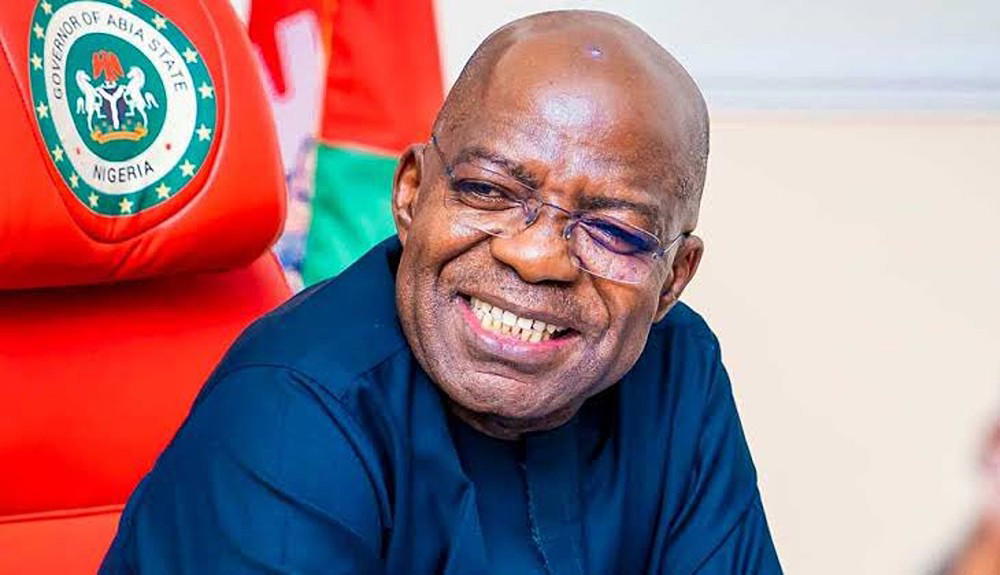
Governor Alex Otti of Abia State has expressed the state government's readiness to establish a state police force, with retired Deputy Inspector General of Police Azubuko Uda lending his support to the initiative.
nUda believes that Abia is well-positioned to take the lead in implementing state police, given its strategic importance as a commercial hub, and that decentralising policing would enhance security coordination and responsiveness at the state level.
nAccording to Governor Otti, the state government has set the wheels in motion to work out the details for launching a state police force, with the new manager for Home Land Security working towards actualising the proposal.
nThe governor stated that the state is preparing to launch its state police force as soon as possible, saying "We are getting ready to launch it once the whistle is blown".
nUda argued that granting states control over their police formations would ensure better funding, improved welfare, and operational efficiency, as the governor, who funds the police, would ensure they do not suffer from manpower shortages or logistics challenges.
nHe noted that Abia's status as a commercial hub, with the city of Aba attracting traders from across Africa, including countries such as Gabon, Equatorial Guinea, Chad, Cameroon, and Niger, makes it essential to have a state-controlled policing system to secure economic corridors and boost investor confidence.
nUda described the proposed reform as "a welcome development" that would also address the growing apathy among South-East youths towards recruitment into federal security agencies, citing the decline in interest in joining the army or police due to security challenges and lack of trust in leadership.
nHe attributed the declining interest to allegations of complicity in acts of terrorism against some individuals in positions of authority, which affects morale and makes youths reluctant to enlist.
nUda cautioned that the transition to state policing must be carefully planned, inclusive, and driven by expertise, saying "It has to be properly planned" and that experienced stakeholders must be engaged to ensure a seamless transition.
nThe debate over state police has gained renewed momentum amid rising security challenges across Nigeria, with proponents arguing that decentralisation remains key to effective law enforcement, following the Presidency's recent greenlight for willing states to establish their own state police.
Related Stories
 General News
CELEBRATING TWO YEARS OF TRANSFORMATIONAL LEADERSHIP IN THE PRESIDENTIAL AMNESTY PROGRAMME
Tomorrow, 14TH March 2026, as we look forward to the second anniversary, we reflect on the remarkable two years since the Administrator of the Preside
 General News
PRESIDENTIAL AMNESTY PROGRAMME PHASE 3: DISREGARD PURPORTED STATEMENT ON DELAYED ITA PAYMENTS — OFFICE OF NATIONAL CHAIRMAN
The Office of the National Chairman of the Presidential Amnesty Programme Phase 3, General Elaye ThankGod Dollar Slaboh, has called on beneficiaries a
 General News
RE: CLARIFICATION ON MY PERSONAL RELATIONSHIPS
PUBLIC NOTICErnrnRE: CLARIFICATION ON MY PERSONAL RELATIONSHIPSrnrnIt has become necessary to make this public clarification following the increasing