
A single individual is capable of accomplishing it
Nigerians have adopted a detached attitude towards governance, which can be described as apathy, and it's hard to blame them given the circumstances. Their indifference stems from the unfulfilled promises of a renewed hope agenda, leaving many to become disillusioned with the idea that anything positive can emerge from the country's politicians.
nThe politicians, on the other hand, seem to be capitalizing on this situation, reveling in their control over the people and the country's resources, with the primary focus no longer being on the welfare of the citizens. The insatiable greed of the leaders has become a significant issue that needs to be addressed.
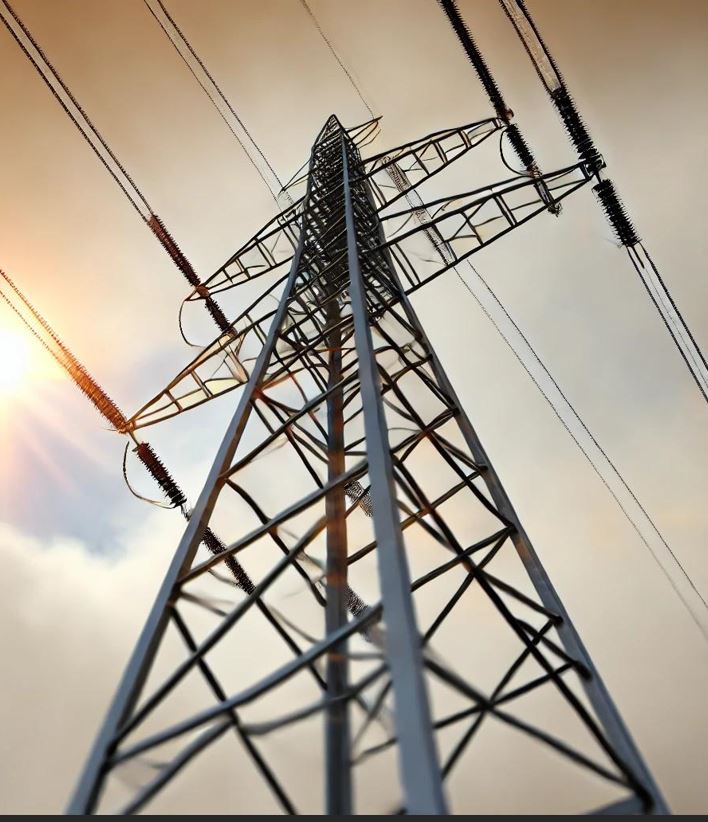
nThe entire country is currently plagued by darkness, with only a privileged few having access to reliable electricity through sources like Band A, solar panels, and inverters. A recent development has brought attention to the electricity generating companies' rejection of the Federal Government's proposal to settle debts owed to them.
nAccording to reports from November 24, 2025, power generation companies, or GenCos, in Nigeria rejected the government's offer to pay only 50 percent of the N5 trillion debt settlement, warning that this could have detrimental effects on the sector. The Association of Power Generating Companies of Nigeria, APGC, stated that this "50 percent haircut" proposal could destroy the sector and deter investors.
nNot quite two months after the proposal was rejected, the nation has been experiencing continuous darkness, a situation that draws parallels with the disruptions in the telecommunications sector, where low tariffs and infrastructure issues were initially blamed. The government eventually conceded to the telecoms companies' request to increase tariffs, and a similar scenario is unfolding with the GenCos.
nThe government is being pressured to concede to the GenCos' demands, and unless this happens, the power supply situation is unlikely to improve. The focus has shifted away from addressing underlying issues like infrastructure, maintenance, grid structuring, and revenue leakages, with the primary concern being the imposition of higher tariffs on the people.
nThe situation is a clear example of incompetence, surpassing even that of the infamous NEPA era, and it's not solely about financial constraints. The core issue lies in the lack of effective leadership and the drive to achieve the common good for the people.
nFor those who have become pessimistic about the country's prospects, there is still hope, and this hope is pinned on the leadership of one individual. The example of Governor Alex Otti in Abia State serves as a testament to what can be achieved with the right leadership, having transformed the state in less than three years despite limited resources.
nA message from Mr. David Amadi, who visited Aba after five years, described the city's transformation as nothing short of remarkable, with the governor's achievements debunking the notion that lack of resources is the primary cause of the country's problems. The real challenge lies in the quality of leadership and the willingness to drive positive change.
nAnother account, titled "I Am Ashamed" and attributed to Wahala Reports, highlighted the significance of Governor Otti's actions, particularly the signing of the Senior Citizens Welfare Law, which guarantees elderly citizens a monthly stipend, free healthcare, and dignified support. This move has exposed the indifference of other states and the federal government towards the welfare of their elderly citizens.
nThe author of "I Am Ashamed" expressed shame not because Nigeria lacks resources or wealth but because one state has demonstrated that compassion and humanity are possible, while the rest have been caught in their indifference. The law enacted by Governor Otti is seen as a form of justice delayed, recognizing the contributions of the elderly and ensuring they are treated with dignity.
nThe message serves as a call to action for other governors, emphasizing that their legacy will not be measured by infrastructure projects but by how they treat the voiceless and vulnerable members of society. The choice is clear: leaders who serve or looters who rule, with Abia State drawing a line in the sand and setting an example for others to follow.
nThe crux of the matter is that all it takes is one individual with the right vision and leadership to bring about meaningful change, and the example set by Governor Alex Otti in Abia State serves as a beacon of hope for a better future.
Related Stories
 General News
CELEBRATING TWO YEARS OF TRANSFORMATIONAL LEADERSHIP IN THE PRESIDENTIAL AMNESTY PROGRAMME
Tomorrow, 14TH March 2026, as we look forward to the second anniversary, we reflect on the remarkable two years since the Administrator of the Preside
 General News
PRESIDENTIAL AMNESTY PROGRAMME PHASE 3: DISREGARD PURPORTED STATEMENT ON DELAYED ITA PAYMENTS — OFFICE OF NATIONAL CHAIRMAN
The Office of the National Chairman of the Presidential Amnesty Programme Phase 3, General Elaye ThankGod Dollar Slaboh, has called on beneficiaries a
 General News
RE: CLARIFICATION ON MY PERSONAL RELATIONSHIPS
PUBLIC NOTICErnrnRE: CLARIFICATION ON MY PERSONAL RELATIONSHIPSrnrnIt has become necessary to make this public clarification following the increasing