
9 African countries where rainfall is scarce
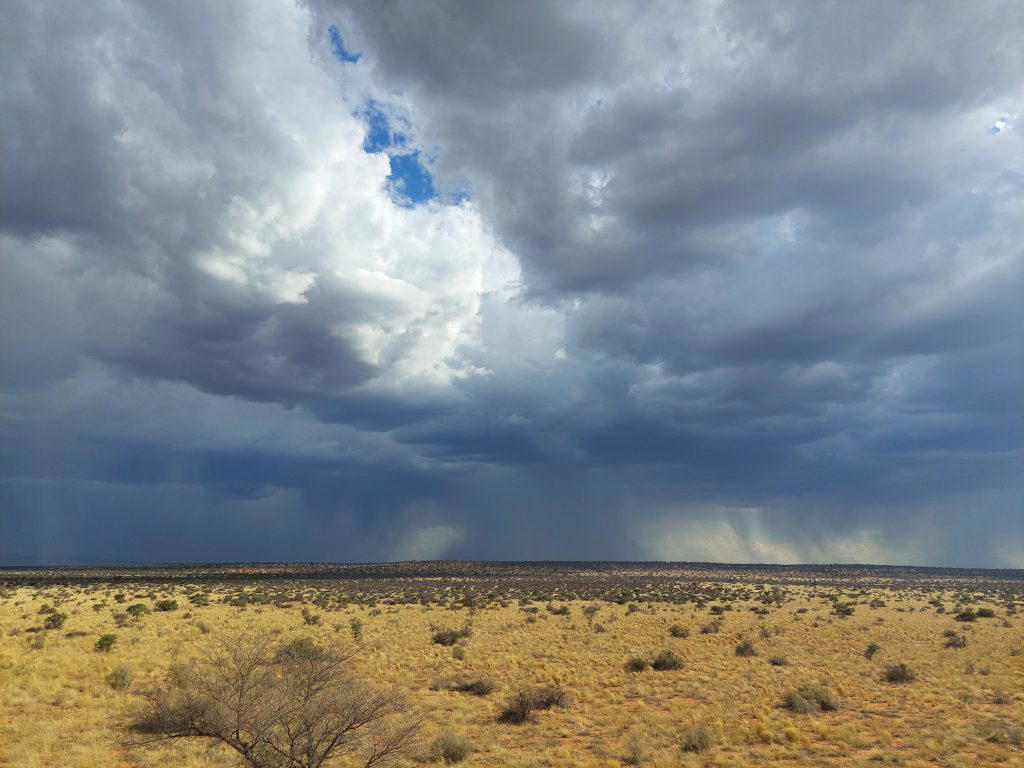
No country in Africa is completely rain-free, but several African countries experience extremely low and irregular rainfall due to the dominance of vast desert systems such as the Sahara Desert and the Namib Desert.
nIn these countries, rainfall is often so scarce that it becomes unpredictable, highly seasonal, or limited to short, isolated events that may not occur every year.
n1. Egypt
nEgypt is one of the driest countries in Africa, with its climate shaped almost entirely by desert conditions. The vast majority of the country lies within the Sahara, meaning rainfall is both rare and highly inconsistent.
nIn cities like Aswan, rain is so infrequent that some years pass without any measurable precipitation. When it does occur, it is usually brief and light. The Nile Valley remains habitable mainly because of the Nile River, which provides a reliable water source in an otherwise arid environment.
n2. Libya
nLibya is dominated by the Sahara Desert, making it one of the driest countries on the continent. Rainfall is mostly confined to a narrow coastal strip along the Mediterranean, while the interior deserts receive almost none.
nIn the central and southern regions, rainfall can be absent for long periods, sometimes stretching into years. When rain does fall, it often comes in sudden, short bursts that quickly evaporate due to extreme heat and dry air.
n3. Algeria
nAlgeria’s climate varies sharply between the northern Mediterranean coast and the vast Saharan interior. While northern coastal areas receive moderate rainfall, southern Algeria is extremely arid.
nThe Sahara region in Algeria experiences some of the lowest rainfall levels in the world, with precipitation being rare, unpredictable, and often limited to brief desert storms. Life in these regions depends heavily on underground water sources and oasis systems.
n4. Mauritania
nMauritania is largely covered by desert and semi-desert landscapes. The northern two-thirds of the country fall within the Sahara, where rainfall is minimal and highly irregular.
nIn many areas, rainfall may not occur for months at a time. Even in the southern Sahel zone, precipitation is seasonal and unreliable, making agriculture difficult and heavily dependent on short rainy seasons.
n5. Niger
nNiger is one of the driest countries in West Africa, with its northern region dominated by the Sahara Desert. Rainfall becomes progressively scarce as one moves northward.
nIn desert areas, rain is extremely rare and unpredictable, while the southern Sahel belt receives limited seasonal rainfall. This uneven distribution makes Niger highly vulnerable to drought and desertification.
n6. Chad
nChad’s climate is split between the arid north and the more humid south. The northern regions, especially the Borkou-Ennedi-Tibesti Region, are extremely dry and fall within the Sahara Desert.
nRainfall in these areas is minimal and often absent for long periods. The environment is dominated by rocky deserts, dunes, and sparse vegetation adapted to extreme dryness.
n7. Sudan
nNorthern Sudan is largely desert and experiences very low annual rainfall. Much of the country lies within the Sahara and Sahel transition zone, where rainfall decreases sharply toward the north.
nIn these arid regions, rainfall is not only low but also highly variable, leading to frequent drought conditions. Agriculture is mainly concentrated along the Nile River and its tributaries.
n8. Namibia
nNamibia is home to one of the driest environments on Earth, particularly along the Namib Desert, which stretches along the Atlantic coast.
nSome coastal areas receive almost no rainfall annually and instead depend on dense coastal fog as a primary moisture source. Inland regions also experience very low and unpredictable rainfall, making Namibia one of the most water-scarce countries in Africa.
n9. Botswana
nBotswana is dominated by semi-arid conditions, particularly in the Kalahari Desert, which covers much of the country.
nRainfall is low, seasonal, and highly variable from year to year. Some years bring sufficient rains for grazing and agriculture, while others result in drought conditions. The unpredictability of rainfall strongly influences livelihoods and water availability.
n nRelated Stories
 General News
CELEBRATING TWO YEARS OF TRANSFORMATIONAL LEADERSHIP IN THE PRESIDENTIAL AMNESTY PROGRAMME
Tomorrow, 14TH March 2026, as we look forward to the second anniversary, we reflect on the remarkable two years since the Administrator of the Preside
 General News
PRESIDENTIAL AMNESTY PROGRAMME PHASE 3: DISREGARD PURPORTED STATEMENT ON DELAYED ITA PAYMENTS — OFFICE OF NATIONAL CHAIRMAN
The Office of the National Chairman of the Presidential Amnesty Programme Phase 3, General Elaye ThankGod Dollar Slaboh, has called on beneficiaries a
 General News
RE: CLARIFICATION ON MY PERSONAL RELATIONSHIPS
PUBLIC NOTICErnrnRE: CLARIFICATION ON MY PERSONAL RELATIONSHIPSrnrnIt has become necessary to make this public clarification following the increasing