
2027: Utomi-led MCE begins opposition coalition talks
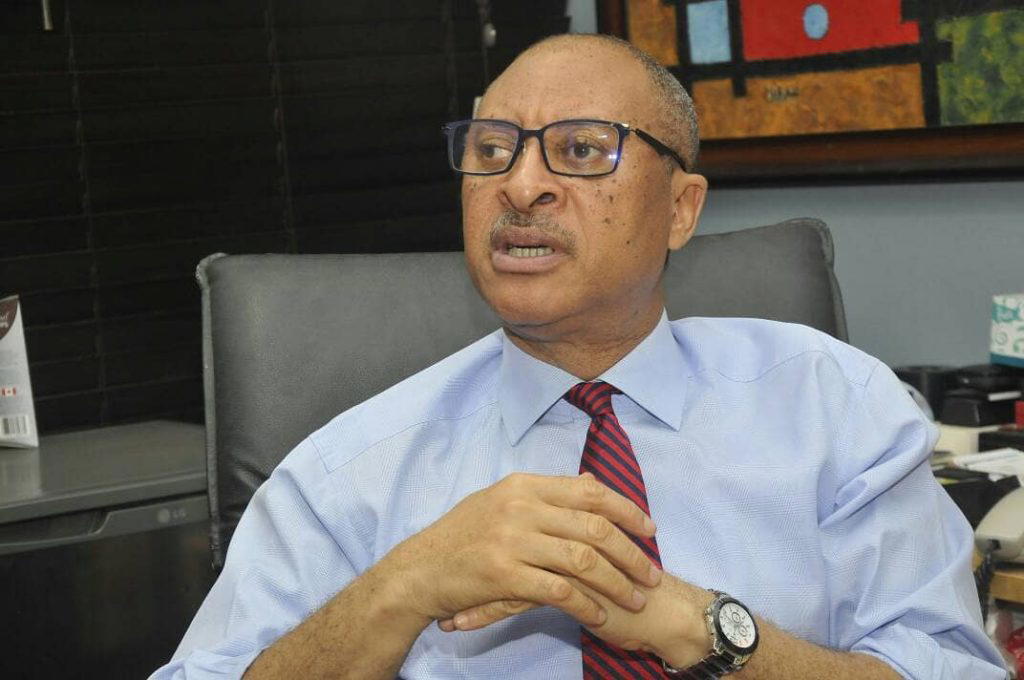
Pat Utomi
nBy Henry Umoru, Abuja
nAhead of the 2027 general elections, the Movement for Credible Elections (MCE) has commenced consultations with opposition political parties and presidential candidates as part of efforts to facilitate a single opposition presidential candidate.
nThe MCE Political Commission, chaired by the movement’s convener and founding leader, Prof Patrick Utomi, was constituted in July to lead consultations with presidential candidates and opposition party leaders.
nThe commission has concluded arrangements to meet shortlisted presidential candidates and their party leaders behind closed doors ahead of a tactical session scheduled to hold in Ibadan in a fortnight.
nIn a statement on Wednesday, MCE Media Coordinator, James Ezema, said the parties shortlisted for the consultations included the Social Democratic Party (SDP), African Democratic Congress (ADC), Allied Peoples Movement (APM), National Democratic Congress (NDC), Peoples Democratic Party (PDP), Accord Party, Peoples Redemption Party (PRP), African Action Congress (AAC) and Young Progressive Party (YPP).
nEzema said the closed-door engagements were intended to allow the parties and candidates to negotiate without what the group described as possible interference from individuals opposed to the coalition initiative.
nAccording to him, the movement believes previous opposition arrangements had encountered difficulties when parties that initially agreed to work together could not reach consensus on the candidate to lead the alliance.
nMCE said the success of the proposed coalition would depend on the credibility, transparency and fairness of the process used to select its presidential candidate.
nIt said the modalities and terms for the endorsement of a candidate would have to be agreed upon by participating parties and candidates rather than imposed by any individual or group.
nThe movement also said participating parties would be required to agree on clear rules of engagement before the selection of a candidate, adding that it would seek to prevent individual ambitions from undermining the coalition process.
nMembers of the Political Commission expected to lead the consultations include Hadjia Maryam Inna Ciroma, Mrs Modupe Adelaja, Solomon Dalung, Uche Onyeagocha, Dr Olusegun Mayegun, Dr Sam Amadi, Mike Iginni, Obongawan Barbara Etim James, Olawale Okunniyi and Dr Adum Ter Alex, among others.
nMCE said its engagement with the opposition parties and presidential candidates had entered a critical phase, adding that the objective was to facilitate an organised opposition capable of presenting what it described as a credible alternative to the electorate.
nThe group said its proposed criteria for evaluating presidential aspirants would include national acceptability, competence, integrity, leadership record, political viability, policy orientation, commitment to democratic institutions, capacity to unite the country and understanding of Nigeria’s constitutional and political challenges.
nIt also said the coalition should be anchored on a clearly articulated national programme that would be made available for public scrutiny before Nigerians are asked to support its candidate.
n“The Nigerian people deserve more than a coalition of political personalities. They deserve a coalition of ideas, competence, values and a coherent ideological programme for national salvation,” the group said.
nAccording to MCE, the process is expected to produce not only a consensus candidate but also a common democratic and governance agenda addressing issues such as insecurity, economic hardship, unemployment, poverty, institutional weaknesses, electoral integrity, constitutional reform, education, healthcare, energy and the cost of governance.
nThe movement said its objective was to facilitate a people-oriented governance alternative rather than simply assemble politicians for the purpose of winning an election.
nIt acknowledged that political negotiations were inevitable in a democratic coalition, saying participants would need to make compromises and recognise that no individual or party could independently achieve the proposed opposition arrangement.
nMCE stressed that it would not impose a presidential candidate on any party or aspirant but would facilitate a process through which the opposition could arrive at what it described as a broadly acceptable arrangement.
nIt urged stakeholders to approach the consultations with an open mind and willingness to prioritise the broader democratic process over individual interests.
nThe movement, however, said participating presidential candidates and their parties would be expected to commit in advance to respecting the outcome of the process and supporting the candidate eventually adopted by the opposition coalition in the 2027 elections.
n nRelated Stories
 General News
CELEBRATING TWO YEARS OF TRANSFORMATIONAL LEADERSHIP IN THE PRESIDENTIAL AMNESTY PROGRAMME
Tomorrow, 14TH March 2026, as we look forward to the second anniversary, we reflect on the remarkable two years since the Administrator of the Preside
 General News
PRESIDENTIAL AMNESTY PROGRAMME PHASE 3: DISREGARD PURPORTED STATEMENT ON DELAYED ITA PAYMENTS — OFFICE OF NATIONAL CHAIRMAN
The Office of the National Chairman of the Presidential Amnesty Programme Phase 3, General Elaye ThankGod Dollar Slaboh, has called on beneficiaries a
 General News
RE: CLARIFICATION ON MY PERSONAL RELATIONSHIPS
PUBLIC NOTICErnrnRE: CLARIFICATION ON MY PERSONAL RELATIONSHIPSrnrnIt has become necessary to make this public clarification following the increasing