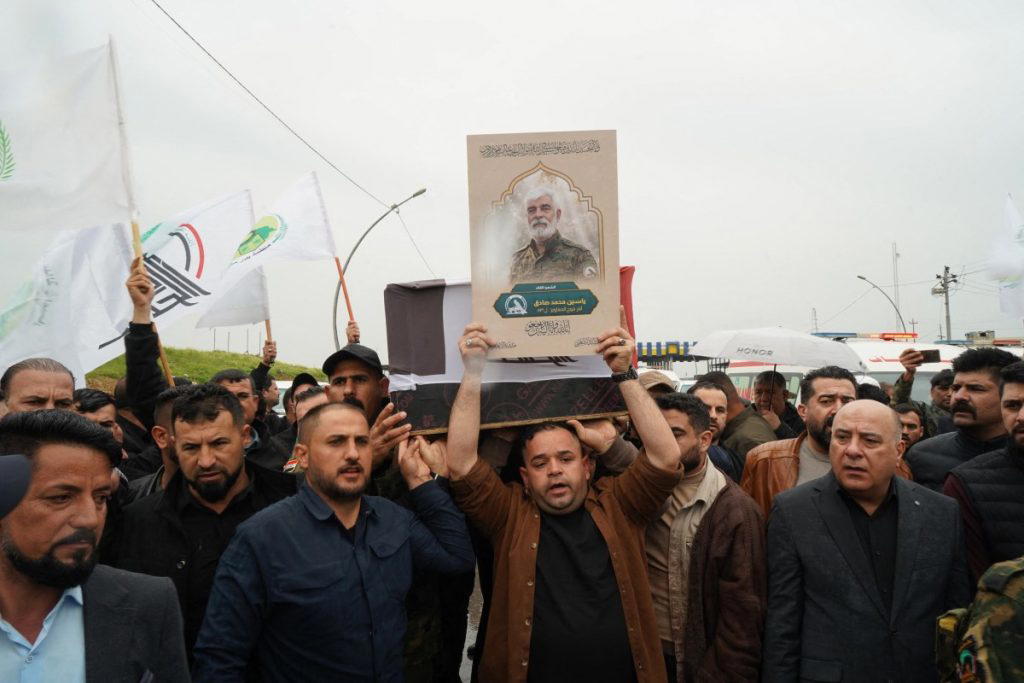
Iran on Thursday threatened “crushing” attacks on the US and Israel, firing missiles at Tel Aviv after US President Donald Trump vowed to bomb the Islamic republic “back to the Stone Ages”.
The war, which was started more than a month ago by US-Israeli strikes on Iran, has spread throughout the Middle East and roiled the global economy, impacting hundreds of millions of people worldwide.
In a White House address, Trump said the US was “very close” to achieving its objectives but warned its attacks would intensify if Iran did not reach a negotiated settlement.
“Over the next two to three weeks, we are going to bring them back to the Stone Ages, where they belong,” he said.
Iran’s response was immediate, with Israeli air defences pressed into action. Four people were reportedly lightly injured in the Tel Aviv area. AFP journalists in Jerusalem hear fresh blasts on Thursday evening.
In Tehran, AFP journalists reported a series of loud explosions, sending reverberations across the city. The targets were unclear.
Iranian state TV said that US-Israeli strikes hit a bridge in Karaj, west of Tehran, twice Thursday, with the first strike leaving two civilian casualties and the second coming as emergency teams were deployed.
The country’s two largest steel plants have meanwhile been forced offline by several waves of US and Israeli attacks, the companies said.
Despite the bombardments, families gathered at Tehran’s Melat park, with men smoking water pipes and children running around playgrounds, to mark the 13th day after Nowruz, the Persian New Year, when people traditionally picnic outdoors, AFP journalists said.
A 30-year-old resident told AFP there was an increase in checkpoints throughout the city manned by Iran’s Revolutionary Guards.
“They gather in the streets in order to show people that they are still in power and nothing is gonna change,” said the man, who requested his name not be used.
In Israel, Jewish Israelis were celebrating Passover, which some were forced to do underground due to Iran’s attacks.
“This is not my first choice,” said a writer who gave his name as Jeffrey, at a meal organised in a Tel Aviv bunker.
– ‘Much more reasonable’ –
The war continues to disrupt shipping, with British Foreign Secretary Yvette Cooper stressing the “urgent need” to reopen the Strait of Hormuz, where one-fifth of the world’s oil usually passes.
Trump has urged oil-importing countries to seize the key waterway, which has been virtually closed since the war began, though French President Emmanuel Macron said Thursday a military operation to liberate the strait is “unrealistic”.
Italy called for a “humanitarian corridor” to be opened through the strait for fertiliser, to head off a food disaster in Africa.
Trump has said talks to end the war could be possible with Iran’s new leadership, which he described as “less radical and much more reasonable” than their predecessors.
Tehran has dismissed Washington’s ceasefire overtures, describing US demands to end the conflict as “maximalist and irrational”.
“Messages have been received through intermediaries, including Pakistan, but there is no direct negotiation with the US,” said Iranian foreign ministry spokesman Esmaeil Baqaei, quoted by the ISNA news agency Thursday.
Trump warned that if no agreement with Tehran was struck, Washington had “our eyes on key targets including the country’s electric generating plants”.
The country’s health ministry said the Pasteur Institute of Iran, a century-old medical centre in Tehran, had been extensively damaged in a strike.
In Lebanon, militant group Hezbollah said its fighters launched drones and rockets at northern Israel on Thursday.
A day earlier, Israel killed a top Hezbollah commander, two sources told AFP, in a Beirut strike that the Lebanese health ministry said killed seven people.
Authorities in Lebanon say Israeli attacks have killed more than 1,300 people in the country since war erupted between Israel and Iran-backed Hezbollah on March 2.
– From Iraq to Bhutan –
The conflict has drawn in Gulf countries once seen as a safe haven in a volatile region, with air defences in the United Arab Emirates responding to missile and drone attacks on Thursday.
The war has also highlighted the importance of the Strait of Hormuz.
Iran’s Revolutionary Guards have vowed to keep it shut to the country’s “enemies” while Trump has made reopening it a condition for a ceasefire.
China, a major importer of oil through the shipping lane, blamed the United States and Israel for being the “root cause” of the blockage.
Trump’s speech did nothing to reassure markets, as oil prices spiked and stocks tumbled.
The World Bank’s Managing Director Paschal Donohoe told AFP the institution was “extremely concerned” about the war’s impact on inflation, jobs and food security.
The economic fallout is being felt worldwide, with airlines in China saying they will hike fuel surcharges and Malaysian civil servants being asked to work from home.
Iraq’s oil export revenues in March dropped more than 70 percent from February, an Iraqi official said Thursday.
Even the Himalayan kingdom of Bhutan is feeling the impact as fuel prices spiked.
AFP reporters in the capital Thimphu saw long queues at petrol stations on Thursday amid shortages in the landlocked nation of around 800,000 people.
“It’s not like our government is responsible, they are trying their best,” said Karma Kalden, 40.
“We are helpless.”

Comments
Please login to leave a comment.
No comments yet. Be the first to share your thoughts!